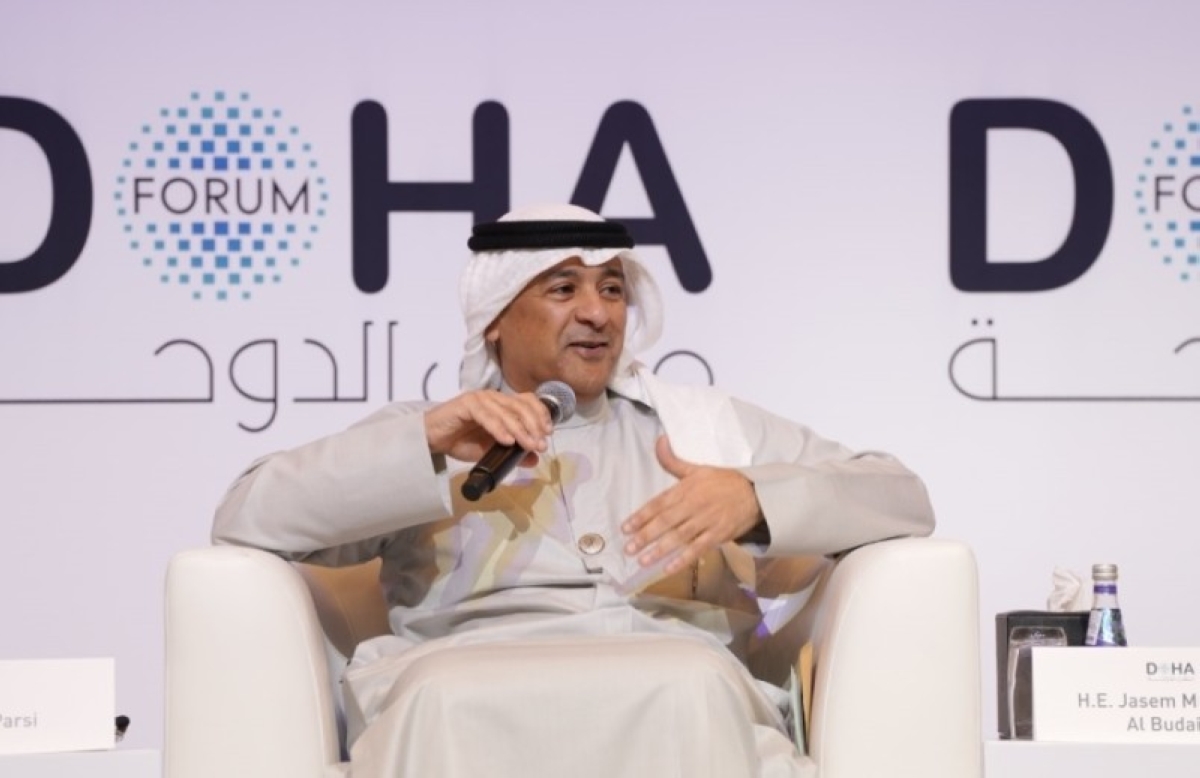

The Gulf Cooperation Council (GCC) has strongly condemned recent statements from Iranian officials, asserting they undermine the sovereignty of Bahrain, the United Arab Emirates’ claim to the three islands of Greater Tunb, Lesser Tunb, and Abu Musa, and the jointly owned Al-Durra oil field by Kuwait and Saudi Arabia. The rebuke, issued Monday by GCC Secretary-General Jasem Mohamed Albudaiwi, highlights ongoing tensions in the region despite recent diplomatic efforts. This GCC-Iran relations dispute centers on territorial claims and accusations of interference in regional affairs.
The condemnation follows remarks perceived as challenging the established rights and sovereignty of GCC member states. According to the official GCC statement, the comments were filled with “falsehoods, baseless claims and unacceptable allegations.” The GCC asserts these statements violate fundamental principles of international law and good neighborly relations.
Escalating Tensions in GCC-Iran Relations
The GCC’s response underscores a complex relationship with Iran, characterized by periods of both conflict and negotiation. While the council has expressed a desire for de-escalation and improved ties, particularly through dialogue, Iranian actions and rhetoric continue to fuel distrust. This latest incident threatens to derail ongoing diplomatic initiatives.
Albudaiwi specifically referenced previous instances of alleged Iranian interference, citing actions that infringed upon Qatar’s sovereignty. He did not detail those specific actions, but the reference alludes to past disputes over airspace and other issues. This history of contention forms a significant backdrop to the current disagreement.
Disputed Territories and Resources
The core of the dispute involves several key territorial and resource claims. The UAE maintains its sovereignty over the three islands of Greater Tunb, Lesser Tunb, and Abu Musa, which have been under Iranian control since 1971. Iran disputes this claim, considering the islands as integral parts of its territory.
Additionally, the Al-Durra oil field, located in the Persian Gulf, is claimed jointly by Kuwait and Saudi Arabia. Iran has recently asserted its own rights to the field, a claim rejected by both Kuwait and Saudi Arabia. The potential for resource exploitation adds a layer of economic significance to the territorial dispute.
Contradiction of Diplomatic Efforts
The GCC statement points out the contradiction between Iran’s recent comments and its participation in ongoing discussions with the council. Joint meetings between GCC foreign ministers and Iranian Foreign Minister Hossein Amir-Abdollahian have been held in an attempt to foster communication and address regional concerns. However, the current rhetoric casts doubt on the sincerity of these efforts.
The GCC has consistently emphasized the importance of adhering to the UN Charter, international law, and principles of good neighborliness. They have also stressed the need for non-interference in the internal affairs of other nations and the peaceful resolution of disputes. These principles are presented as the foundation for regional stability.
Meanwhile, analysts suggest the timing of the Iranian statements may be linked to broader geopolitical considerations, including ongoing negotiations surrounding Iran’s nuclear program and its relationship with Western powers. Some believe Iran is attempting to leverage these disputes to gain concessions in other areas.
In contrast to the condemnation, the GCC maintains it remains committed to bilateral communication with Iran to protect shared interests and regional security. This suggests a continued willingness to engage in dialogue, even amidst heightened tensions. The council believes open channels of communication are crucial for preventing miscalculation and escalation.
The GCC’s Secretary-General reaffirmed the organization’s dedication to peace, coexistence, and diplomatic solutions. He urged Iran to cease spreading what he termed “false claims” that erode trust and impede constructive engagement. Albudaiwi argued that cooperation is essential for achieving stability, security, and prosperity in the region.
The situation is further complicated by the broader regional context, including the ongoing conflicts in Yemen and Syria, and the evolving dynamics between Saudi Arabia and Iran. These factors contribute to a volatile security environment and make it difficult to predict future developments. The Middle East political landscape is constantly shifting.
The dispute also impacts regional energy security, given the location of the Al-Durra field and the potential for disruption to oil and gas flows. Any escalation in tensions could have significant consequences for global energy markets. This adds another layer of urgency to the need for a peaceful resolution.
Looking ahead, the GCC is expected to continue its diplomatic efforts to address the Iranian concerns and prevent further escalation. Whether these efforts will be successful remains uncertain, particularly given the deep-seated distrust and conflicting interests at play. The next step will likely involve a formal response from Iran, and possible further consultations within the GCC framework.
The international community is closely monitoring the situation, with calls for restraint and a commitment to dialogue coming from various countries. The United Nations could potentially play a mediating role, but any significant progress will ultimately depend on the willingness of both the GCC and Iran to compromise. The future of international diplomacy in the region hangs in the balance.