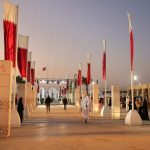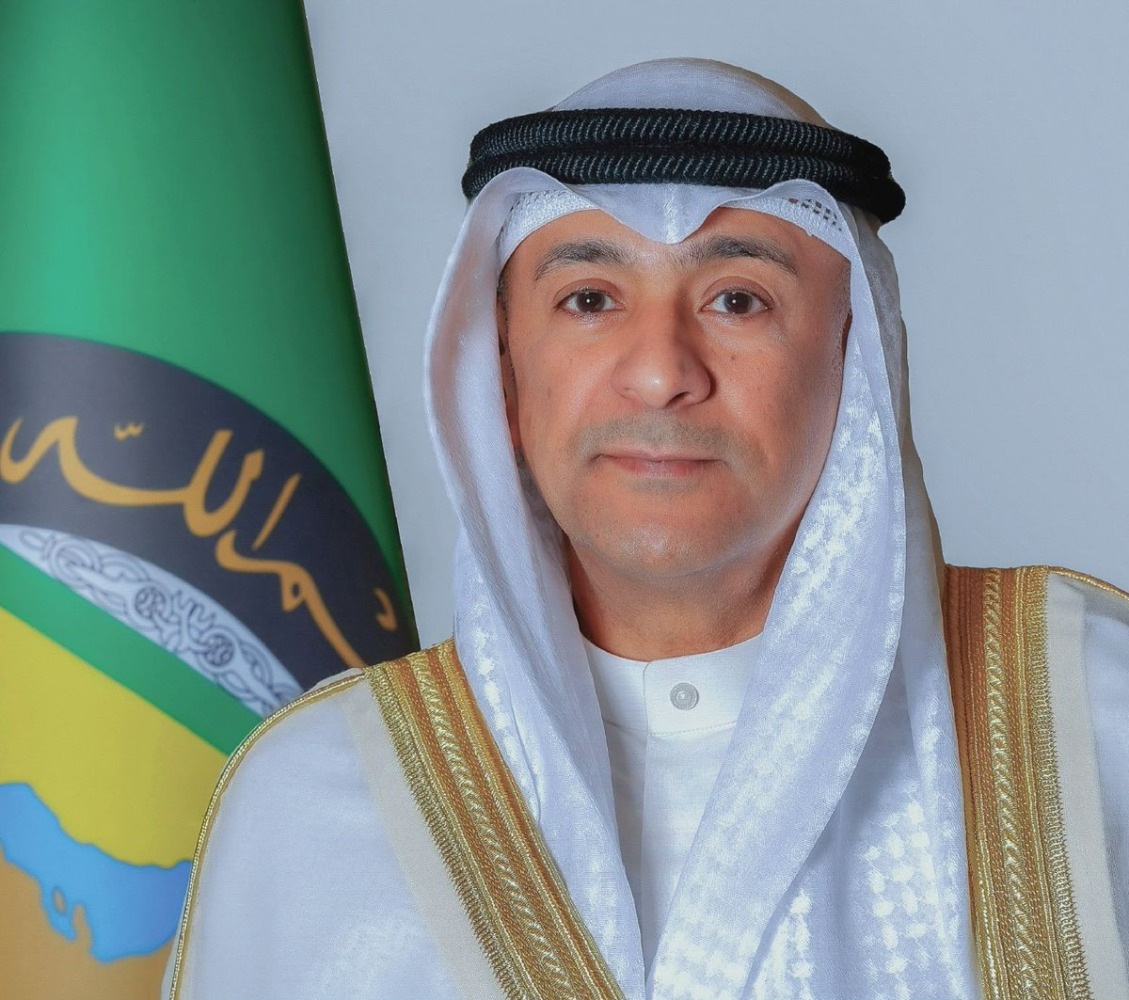

Riyadh – The Secretary General of the Gulf Cooperation Council (GCC), Jasem Mohamed Albudaiwi, has publicly praised the State of Qatar’s significant advancements across multiple sectors. The commendation came as part of Albudaiwi’s statement marking Qatar National Day, highlighting the nation’s achievements as a source of pride for both its citizens and the wider GCC region. This recognition underscores the growing regional importance of Qatar and its developmental trajectory.
Albudaiwi’s remarks, issued on December 18, 2023, specifically acknowledged the comprehensive developmental renaissance occurring within Qatar. He expressed wishes for continued success under the current leadership, anticipating further progress and development for the country. The statement signals continued diplomatic support for Qatar’s national vision.
Qatar’s Development and Regional Standing
Qatar has undergone rapid transformation in recent decades, fueled by its substantial hydrocarbon reserves. However, the nation has strategically diversified its economy, investing heavily in infrastructure, education, and tourism, as outlined in its National Vision 2030. This diversification is a key factor in the GCC’s positive assessment of Qatar’s progress.
The country’s hosting of the FIFA World Cup 2022 served as a prominent example of its capabilities and ambition. According to reports from the Supreme Committee for Delivery & Legacy, the event spurred significant infrastructure development, including new stadiums, a metro system, and expanded airport capacity. These investments are expected to have lasting economic benefits.
Infrastructure and Economic Growth
Qatar’s infrastructure projects extend beyond sporting facilities. The nation has focused on developing its transportation network, including the Hamad International Airport, consistently ranked among the world’s best. Additionally, substantial investment has been directed towards establishing free zones designed to attract foreign investment and promote economic diversification.
The Qatari economy has demonstrated resilience despite fluctuations in global energy markets. The government’s focus on non-oil sectors, such as finance, logistics, and manufacturing, is contributing to a more sustainable economic model. This shift is also attracting a growing number of expatriate workers and bolstering the country’s population.
Diplomatic Role and GCC Relations
Qatar has also been actively involved in regional diplomacy, mediating in conflicts and fostering dialogue between various parties. This role has sometimes been met with challenges, particularly during a diplomatic dispute with other GCC members between 2017 and 2021. However, relations have since been restored, and Qatar continues to participate in GCC initiatives.
The recent praise from the GCC Secretary General represents a positive step in solidifying Qatar’s position within the regional bloc. It suggests a renewed emphasis on cooperation and shared interests following the resolution of the earlier dispute. The strengthening of GCC ties is a significant aspect of regional stability.
Meanwhile, Qatar’s foreign policy continues to be characterized by a pragmatic approach, seeking to balance its regional commitments with its national interests. This includes maintaining strong relationships with both Western and Eastern powers, as well as engaging in humanitarian efforts globally. The country’s commitment to international cooperation is a defining feature of its foreign policy.
In contrast to some regional economies heavily reliant on oil, Qatar’s diversification strategy has positioned it for long-term growth. The country’s investments in education and human capital are also expected to yield positive results in the coming years. This focus on sustainable development is crucial for Qatar’s future prosperity.
Looking ahead, Qatar is expected to continue implementing its National Vision 2030, with a particular emphasis on sustainable development and economic diversification. The success of these efforts will be closely monitored by regional and international observers. Further developments in Qatar’s economic and diplomatic landscape are anticipated in the new year, particularly regarding its role in ongoing regional negotiations and its continued investment in key sectors.
The Gulf Cooperation Council website provides further information on regional initiatives. The Ministry of Foreign Affairs of Qatar offers insights into the nation’s foreign policy. Qatar National Tourism Council details the country’s tourism development plans.