


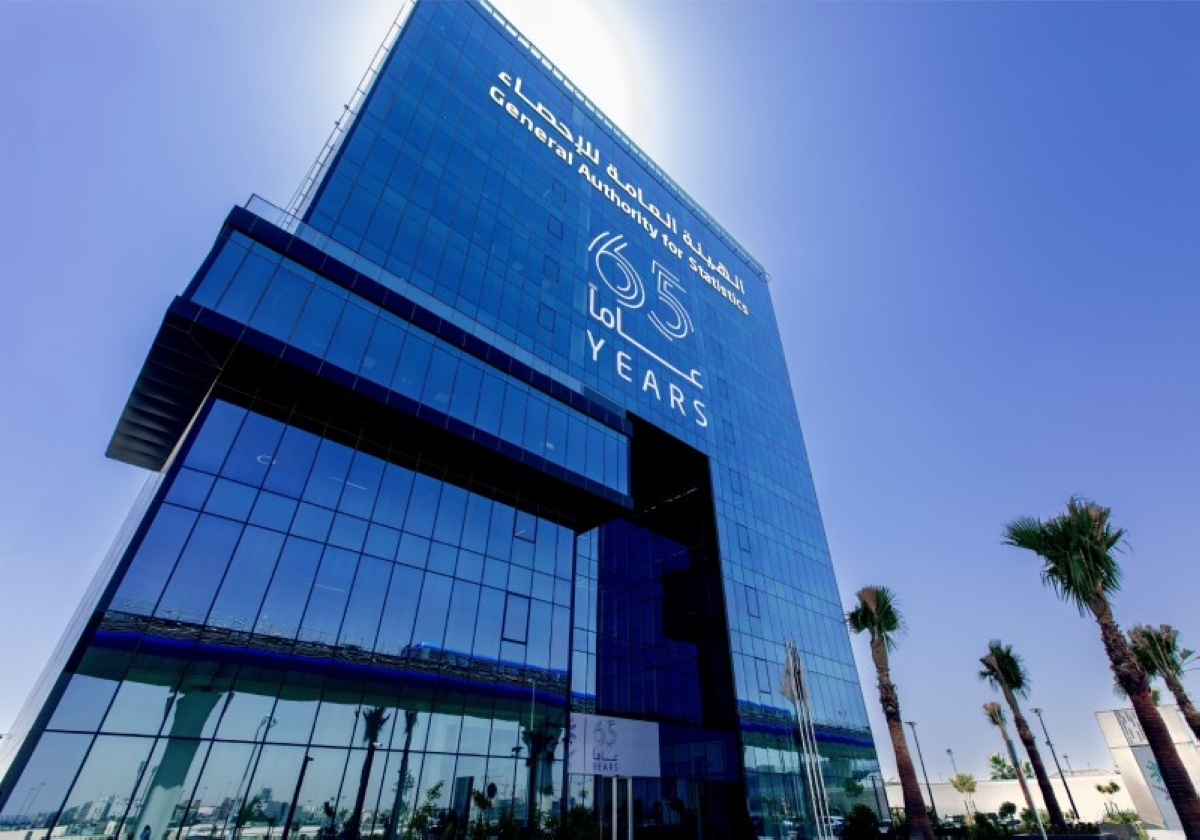

The General Authority for Statistics (GASTAT) in Saudi Arabia has initiated a comprehensive data collection phase encompassing economic, social, environmental, and spatial statistics. This nationwide effort, beginning now and continuing through the current period, aims to gather accurate information for the Kingdom’s 2026 statistical census. The surveys will involve individuals, households, and businesses across all sectors, impacting future policy and development initiatives.
These statistical operations are being conducted throughout all regions of Saudi Arabia, including major cities and their governorates. GASTAT is employing a multi-faceted approach, utilizing field visits, telephone interviews, and self-administered surveys to maximize participation and data quality. The initiative underscores the importance of reliable data in tracking national progress and informing strategic decisions.
The Importance of Accurate Statistics in Saudi Arabia
The undertaking by GASTAT is crucial for several reasons, primarily relating to the Kingdom’s ambitious Vision 2030 plan. According to the authority, the collected data will serve as key performance indicators (KPIs) for monitoring the success of Vision 2030’s diverse objectives, ranging from economic diversification to social improvements. This data-driven approach is intended to ensure that resources are allocated effectively and that policies are aligned with national goals.
Additionally, the data will be used to measure progress towards the United Nations’ Sustainable Development Goals (SDGs). Saudi Arabia is committed to achieving these global objectives, and accurate data analysis is essential for identifying areas of strength and areas requiring further attention. This commitment demonstrates the Kingdom’s dedication to international collaboration and responsible development.
Data Collection Methods and Scope
GASTAT’s data collection strategy is designed to be inclusive and representative. The surveys target a broad spectrum of the population, including citizens and residents, and cover a wide range of topics. These include household income and expenditure, labor force participation, health indicators, education levels, and environmental concerns.
For businesses, the surveys will focus on economic activity, employment figures, investment patterns, and operational challenges. The authority is reaching out to establishments in the public, private, and nonprofit sectors to gain a holistic understanding of the Saudi Arabian economy. This comprehensive approach will provide a detailed picture of the Kingdom’s economic landscape.
The authority emphasizes its commitment to utilizing the latest data collection methodologies and adhering to internationally recognized statistical standards. This includes employing robust sampling techniques, rigorous quality control measures, and advanced data processing technologies. These efforts are aimed at minimizing errors and ensuring the reliability of the statistical outputs.
Ensuring Data Privacy and Encouraging Participation
Recognizing the sensitivity of the information being collected, GASTAT has assured participants that all data will be treated with the utmost confidentiality. The authority stated that data collection and usage are strictly governed by official regulations and adhere to established principles of statistical work. This commitment to privacy is intended to build trust and encourage full cooperation from the public.
However, maintaining public trust in data collection is an ongoing challenge globally. Concerns about data security and potential misuse can sometimes lead to reluctance to participate in surveys. GASTAT’s clear communication regarding data privacy protocols is a vital step in addressing these concerns.
GASTAT is actively encouraging all targeted individuals, households, and establishments to participate in this national effort. The authority highlights that providing accurate and updated information is a civic duty that contributes to the well-being of the Kingdom. A dedicated helpline, 199009, has been established to address any inquiries or concerns from participants.
The success of the 2026 statistical programs hinges on a high response rate. A representative sample requires broad participation to avoid biases and ensure that the data accurately reflect the characteristics of the Saudi Arabian population and economy. Low participation rates could compromise the validity of the findings and hinder effective policy-making.
Impact on Economic Planning and Social Development
The data gathered through these surveys will have a significant impact on economic planning and social development initiatives. For example, accurate population data is essential for infrastructure planning, resource allocation, and the provision of public services. Understanding demographic trends, such as age distribution and migration patterns, is crucial for addressing future challenges and opportunities.
Furthermore, the economic data will inform investment decisions, support the development of new industries, and promote sustainable economic growth. The insights gained from the surveys will help policymakers identify areas where targeted interventions are needed to address inequalities and improve the quality of life for all citizens. This aligns with the broader goals of Vision 2030.
The availability of reliable socioeconomic data will also attract foreign investment and enhance the Kingdom’s international reputation. Investors are more likely to invest in countries with transparent and well-documented economic statistics. This, in turn, can contribute to job creation and economic diversification.
Looking ahead, GASTAT will focus on processing and analyzing the collected data. The initial findings are expected to be released in phases, beginning in late 2025, with the complete 2026 statistical census becoming available in early 2026. The timing and scope of these releases may be subject to change depending on the volume of data and the complexity of the analysis. Stakeholders will be closely watching for these releases to gain insights into the Kingdom’s progress and inform future strategies.