


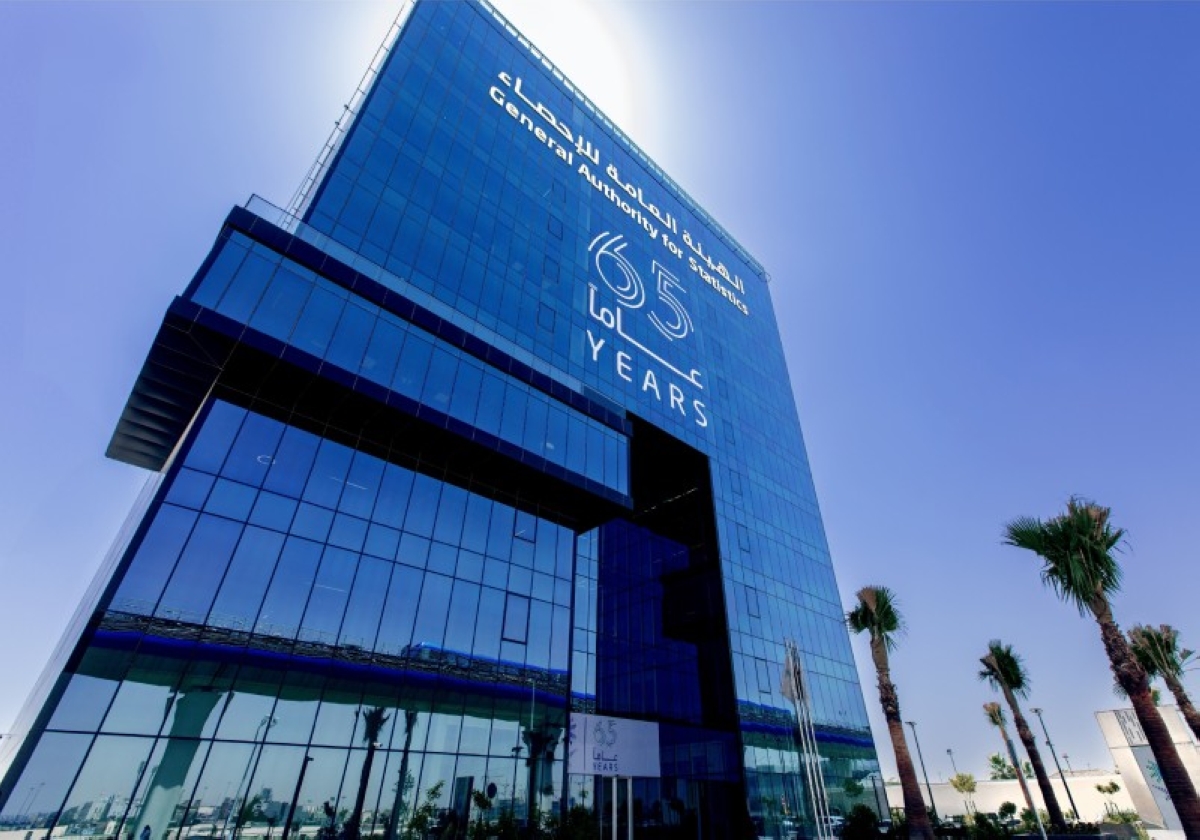

RIYADH — Access to essential environmental services is nearly universal across Saudi Arabia, with the vast majority of households enjoying reliable access to drinking water, sanitation, and waste management, according to newly released statistics. The General Authority for Statistics (GASTAT) published the Household Environment Statistics 2024 results this week, revealing high coverage rates nationwide. These findings are crucial for tracking progress toward Saudi Arabia’s Vision 2030 sustainability objectives.
The data indicates that 99.8 percent of Saudi households benefit from safely managed drinking water services, and 99.9 percent have access to basic sanitation. Furthermore, 99.9 percent of households utilize safe basic waste collection services. The report, compiled from field surveys and administrative records from the Ministry of Environment, Water and Agriculture, provides a comprehensive overview of environmental conditions within the Kingdom.
Saudi Arabia Achieves Near-Universal Access to Drinking Water
While access is widespread, the source of drinking water varies across the population. Bottled water is the most common source, used by 47.3 percent of Saudis. This is followed by water supplied through the public network, at 36.5 percent, and water delivered by tanker, which accounts for 15.8 percent of households. This reliance on bottled water may reflect concerns about tap water quality in some areas, or simply consumer preference.
Regional Disparities in Sanitation Services
The statistics reveal some differences between urban and rural areas. Safely managed sanitation services reach 93.7 percent of urban households, a significantly higher rate than the 59.3 percent coverage in rural communities. This disparity highlights ongoing efforts to extend infrastructure and improve service delivery to more remote parts of the country. The Ministry of Environment, Water and Agriculture has prioritized expanding sanitation infrastructure in rural areas as part of its national development plans.
Additionally, the report details waste management practices. Nearly all households (99.9 percent) benefit from basic waste collection, demonstrating a strong national system. However, only 43.9 percent of households dispose of waste inside the home daily, suggesting potential opportunities to improve household-level waste segregation and recycling habits. Promoting responsible waste disposal is a key component of the Kingdom’s environmental strategy.
The high rates of access to these essential services are a direct result of substantial investment in infrastructure and environmental programs over the past decade. Saudi Arabia has committed significant resources to upgrading water treatment facilities, expanding sewage networks, and improving waste management systems. These investments align with the Kingdom’s broader Vision 2030 goals, which emphasize environmental sustainability and quality of life improvements.
The data also provides valuable insights into broader environmental health indicators. Access to clean water and sanitation are fundamental to public health, reducing the incidence of waterborne diseases and improving overall well-being. Improved waste management practices contribute to a cleaner environment and reduce pollution. These factors are increasingly recognized as essential for sustainable development.
However, the report does not delve into the specifics of water conservation efforts or the long-term sustainability of water resources, which are critical concerns in the arid climate of Saudi Arabia. The Kingdom faces ongoing challenges related to water scarcity and the need to manage its limited water resources effectively. Further research and data collection are needed to assess the impact of climate change on water availability and to inform future water management strategies.
Looking ahead, GASTAT is expected to release updated environmental statistics annually, providing a continuous monitoring of progress. The Ministry of Environment, Water and Agriculture will likely use these findings to refine its policies and programs, focusing on addressing regional disparities and promoting sustainable practices. The next set of statistics, expected in mid-2025, will be closely watched for indications of progress toward Vision 2030 targets and the effectiveness of ongoing environmental initiatives. Continued investment in infrastructure and public awareness campaigns will be crucial for maintaining and improving these high levels of access to essential environmental services.