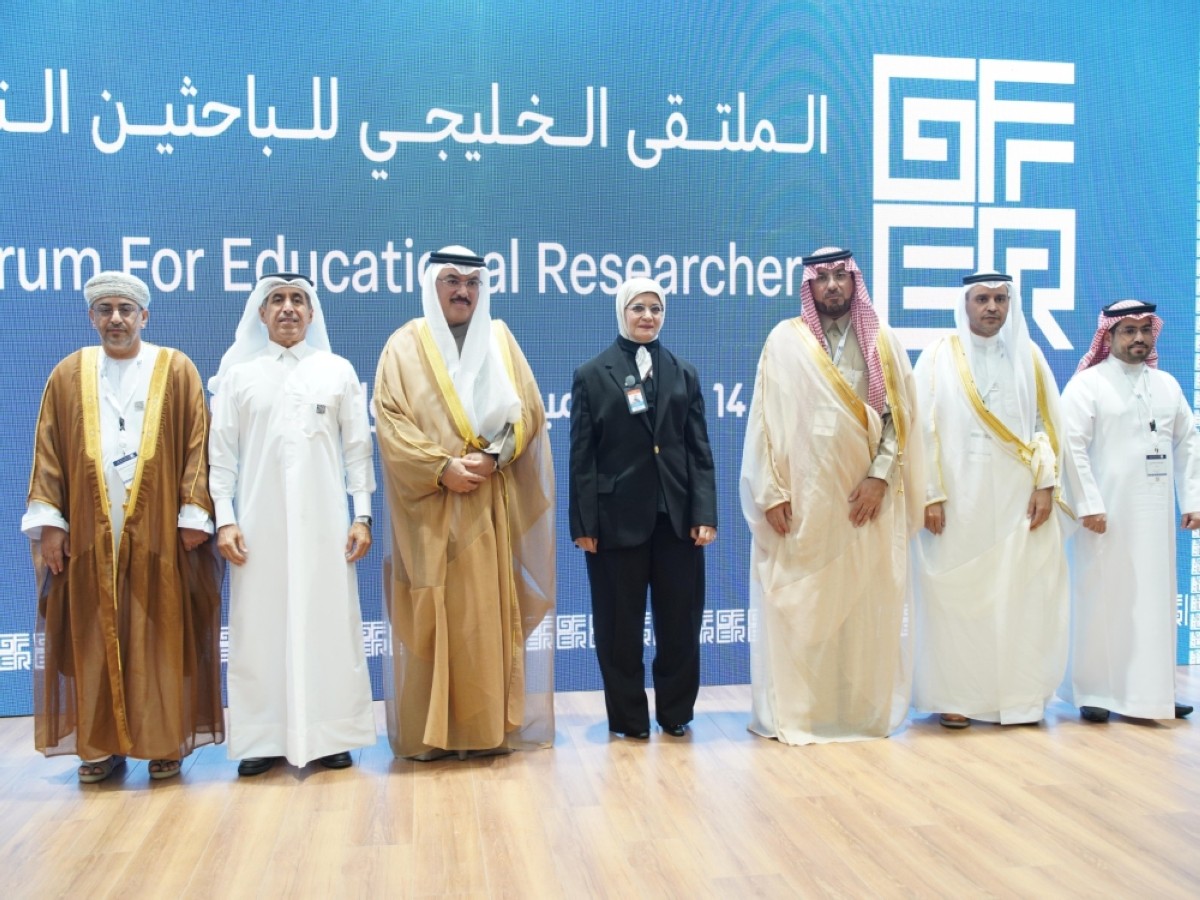

The Gulf Arab States are increasingly focused on bolstering their education systems, and a key component of this progress is robust educational research. This commitment was powerfully demonstrated this past weekend with the launch of the “First Gulf Meeting for Educational Researchers” in Kuwait, an event signaling a new era of collaboration and strategic development within the region. Hosted by the Gulf Arab States Educational Research Center (GASERC), the meeting brought together leading minds to discuss the future of learning and innovation.
Kuwait Hosts Landmark Gulf Educational Research Meeting
Under the patronage of Kuwaiti Minister of Education Jalal Al-Tabtabaei and Director General of the Arab Bureau of Education for the Gulf States, Dr Mohammad Al-Muqbel, GASERC successfully initiated this crucial gathering. Held at GASERC’s headquarters in Kuwait City, the two-day meeting, concluding Monday, represents a significant step towards a more unified and effective approach to education across the Gulf Cooperation Council (GCC). The event’s focus is on creating a sustainable platform for knowledge exchange and collaborative problem-solving.
The Importance of Evolving Research Techniques
Minister Al-Tabtabaei, in his opening address, highlighted the pivotal role of educational research in modernizing the education sector. He emphasized that the current landscape demands a proactive and adaptable approach. Rapid societal changes and emerging challenges necessitate not only investment in new technologies but also a fundamental shift in how we approach learning and teaching.
He specifically called for “evolving our research techniques and enhancing integration of visions and experiences to meet the demands of the current era.” This sentiment underscores the need to move beyond traditional methodologies and embrace innovative, data-driven strategies. The goal is to create educational systems that are responsive, relevant, and capable of preparing students for the complexities of the 21st century.
GCC Collaboration and Strategic Decision-Making
Dr. Al-Muqbel, speaking with the Kuwait News Agency (KUNA), reinforced the meeting’s alignment with the broader strategic objectives of the GCC states. He stressed that prioritizing educational research isn’t simply an academic exercise; it’s a vital investment in the future.
Investing in thorough research provides the foundation for informed and strategic decision-making, allowing policymakers to implement effective reforms and allocate resources efficiently. This collaborative effort aims to ensure that all GCC nations benefit from shared knowledge and best practices, ultimately raising the overall standard of education in the region. The focus on educational policy is a key driver of this initiative.
GASERC’s Role as a Regional Think Tank
The meeting was spearheaded by GASERC, a regional think tank operating under the Arab Bureau of Education for the Gulf States. Based in Kuwait, GASERC plays a crucial role in supporting in-depth educational research and promoting enhanced educational practices throughout the GCC.
GASERC’s mandate extends beyond simply conducting research. It actively works to translate research findings into actionable policies and practical improvements for educators and students. This includes facilitating workshops, publishing reports, and fostering partnerships between researchers and practitioners. The center’s work is instrumental in bridging the gap between theory and practice in education.
Building a Sustainable Future for Education in the Gulf
Dr. Mohammad Al-Sharika, GASERC’s Director, articulated the core objective of the meeting: to establish a lasting platform for collaboration. This platform will serve as a hub for researchers and decision-makers to connect, share insights, and collectively address the challenges facing education in the Gulf.
The GCC, comprised of Kuwait, Saudi Arabia, the UAE, Bahrain, Oman, and Qatar, was founded in the early 1980s with a vision of regional cooperation. This meeting on educational research exemplifies that spirit, demonstrating a shared commitment to progress and innovation. Furthermore, the event highlights the growing importance of curriculum development within the region, as adapting to modern needs requires constant evaluation and refinement of educational content.
The success of this inaugural meeting suggests a promising future for educational advancement in the Gulf. By fostering a culture of research, collaboration, and evidence-based decision-making, the GCC states are laying the groundwork for a more dynamic and effective education system that will empower future generations. The ongoing dialogue and knowledge sharing initiated at this event are expected to yield tangible benefits for students, educators, and the broader society across the region.
This meeting isn’t just a one-time event; it’s a catalyst for sustained improvement. Continued investment in educational research and a commitment to collaborative partnerships will be essential to realizing the full potential of this initiative and ensuring a brighter future for education in the Gulf Arab States.