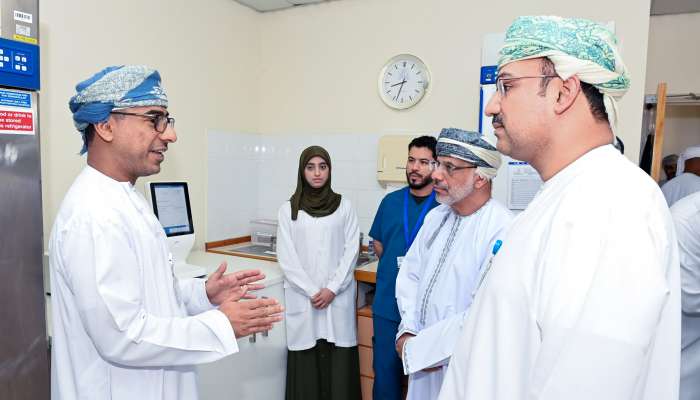

The fight against colorectal cancer in the Sultanate of Oman has received a significant boost with the Royal Hospital’s successful localization of advanced molecular tests. Previously reliant on sending samples abroad, resulting in lengthy waiting times, these crucial diagnostics are now available locally, marking a pivotal moment for colorectal cancer diagnostics and patient care. This advancement promises faster, more accurate diagnoses and paves the way for personalized treatment plans.
Revolutionizing Colorectal Cancer Diagnostics in Oman
For years, Omani patients suspected of having colorectal cancer faced a frustrating delay in receiving definitive diagnostic results. Samples requiring KRAS, NRAS, and BRAF molecular analyses had to be shipped overseas, often leading to waiting periods exceeding three weeks. This delay could significantly impact treatment timelines and, consequently, patient outcomes. Now, thanks to the dedication of the Medical Laboratories Department and the Histopathology and Cytology Section at the Royal Hospital, these vital tests are being performed within Oman, dramatically reducing this turnaround time.
The Importance of KRAS, NRAS, and BRAF Testing
KRAS, NRAS, and BRAF are genes that play a role in the growth and spread of colorectal cancer. Analyzing these genes helps doctors understand the specific characteristics of a patient’s tumor. This understanding is critical for determining the most effective treatment strategy, particularly when considering targeted therapies. Identifying specific mutations in these genes can predict whether a patient will respond to certain drugs, avoiding unnecessary side effects and maximizing the chances of successful treatment. This is a cornerstone of precision oncology.
The ability to perform these tests locally represents a qualitative leap in the quality of cancer care available in Oman. Instead of waiting weeks for results, clinicians can now receive them within a single working day. This speed is paramount in a disease where timely intervention is crucial.
Faster Results, Improved Patient Care
The immediate benefit of localized molecular testing is the accelerated pace of diagnosis and treatment planning. A quicker turnaround time allows oncologists to initiate targeted therapies sooner, potentially improving a patient’s response to treatment and overall prognosis. Furthermore, it reduces patient anxiety and uncertainty associated with prolonged waiting periods.
Dr. Mohammed Al-Masqari, Head of the Histopathology and Cytology Section at the Royal Hospital, emphasized the strategic importance of this development. “Localizing these molecular tests represents a strategic step in supporting the national cancer treatment framework,” he stated. “The rapid availability of test results allows physicians to make timely and accurate treatment decisions, ultimately improving the patient’s treatment journey.”
A Step Towards a Sustainable Healthcare System
This achievement isn’t just about speed; it’s about building a more sustainable and self-reliant healthcare system in Oman. By reducing the need to outsource these specialized tests, the Royal Hospital is contributing to cost savings and strengthening the nation’s capacity for advanced medical diagnostics. This aligns perfectly with the objectives of Oman Vision 2040, a national strategy focused on diversifying the economy and investing in human capital, including a robust and innovative healthcare sector.
The localization of these tests also highlights the growing competence of Omani healthcare professionals. The successful implementation of this advanced technology demonstrates the high technical readiness of the medical laboratories and the dedication of the staff involved. This is a testament to the ongoing investment in training and development within the Omani healthcare system.
Expanding Specialized Diagnostic Capabilities
The Royal Hospital’s success with KRAS, NRAS, and BRAF testing is not an isolated event. Dr. Al-Masqari affirmed that continued efforts are underway to introduce additional advanced specialized tests, all adhering to the highest international standards. This commitment to expanding diagnostic capabilities will further enhance the quality of care available to patients across the Sultanate.
The development of cancer diagnostics in Oman is a continuous process, and this latest milestone is a significant step forward. It demonstrates a clear commitment to providing world-class healthcare to the Omani population. The focus on tumor profiling, enabled by these molecular tests, is becoming increasingly important in tailoring treatment plans to individual patient needs.
Looking Ahead: The Future of Cancer Care in Oman
The localization of advanced molecular tests for colorectal cancer diagnostics at the Royal Hospital is a landmark achievement for Oman’s healthcare sector. It signifies a move towards more precise, personalized, and timely cancer care. By embracing innovation and investing in its healthcare professionals, Oman is well-positioned to improve outcomes for cancer patients and build a sustainable, world-class healthcare system.
This progress encourages further research and development in the field of oncology within the country. For patients and their families, it offers a renewed sense of hope and access to cutting-edge diagnostic tools. To learn more about cancer treatment and prevention in Oman, please visit the Ministry of Health’s website or consult with a healthcare professional.