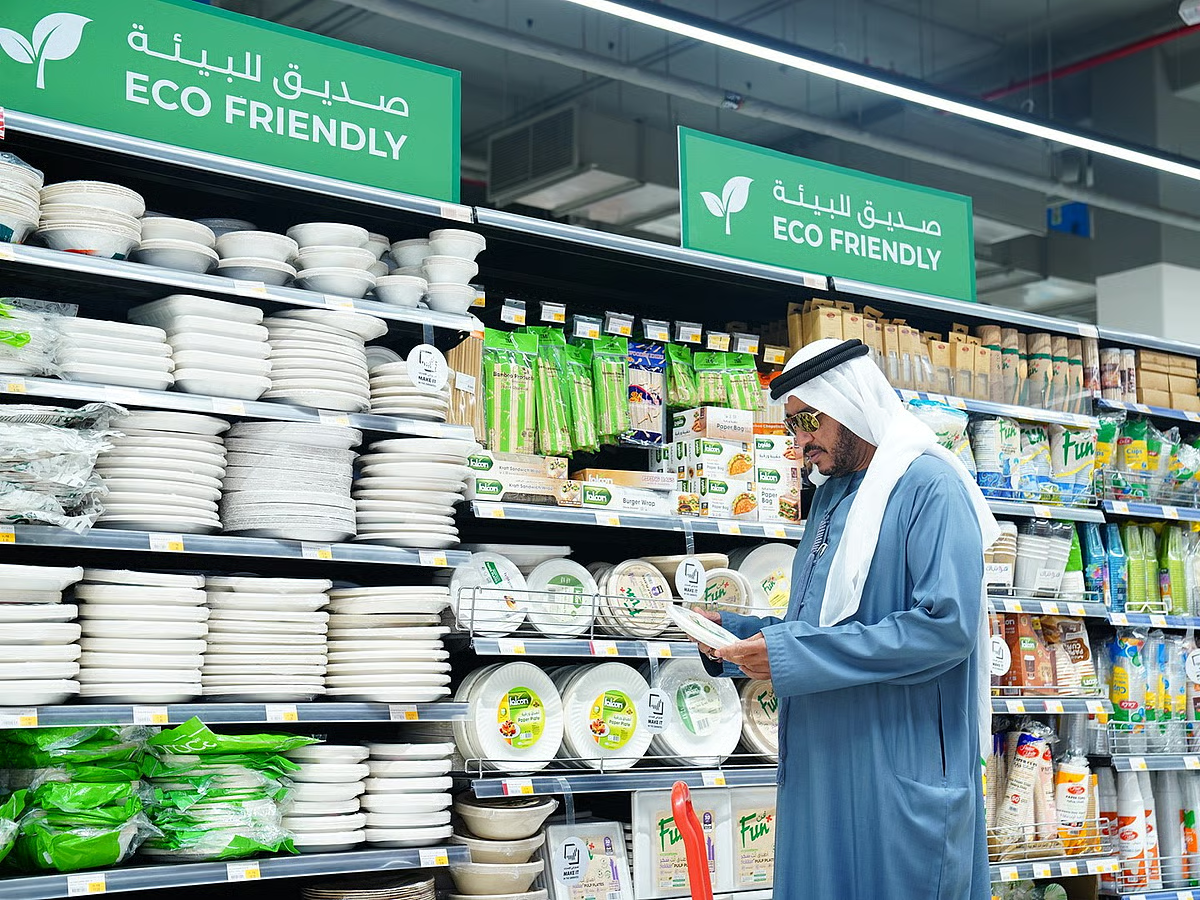

The United Arab Emirates officially implemented a nationwide ban on single-use plastics on January 1, 2024, marking a significant step towards environmental sustainability. The ban targets the import, production, and distribution of several plastic products, aiming to reduce pollution and promote reusable alternatives. This single-use plastic ban impacts businesses and consumers across the country, with enforcement varying by emirate.
The initiative, announced in 2022, encompasses a range of items including plastic shopping bags, plastic food containers, and single-use plastic cutlery. The Ministry of Climate Change and Environment spearheaded the policy, collaborating with local authorities to ensure a phased implementation. The move aligns with the UAE’s commitment to achieving net-zero emissions by 2050 and bolstering its circular economy.
Understanding the UAE’s Single-Use Plastic Ban
The scope of the single-use plastic ban extends beyond just retail. It affects manufacturers, suppliers, and distributors throughout the UAE. The initial phase focuses on eliminating readily available alternatives, with further restrictions planned for more specialized plastic products in subsequent years. This comprehensive approach aims to create a systemic shift away from reliance on disposable plastics.
What Products are Affected?
The ban specifically targets several common plastic items. These include:
- Plastic bags of less than 25 microns in thickness.
- Expanded polystyrene (EPS) food containers.
- Single-use plastic cutlery, spoons, knives, and forks.
- Plastic straws.
- Plastic stirrers.
However, exemptions exist for certain products, particularly those used for health and safety purposes, or for exporting goods. The Ministry has provided guidelines clarifying these exceptions to ensure minimal disruption to essential industries.
Additionally, the ban doesn’t immediately address all plastic packaging. Items like plastic bottles for beverages and certain types of plastic packaging for food are not currently included, though they are under review for future regulations. This phased approach allows businesses time to adapt and explore alternative materials.
Enforcement and Penalties
Enforcement of the plastic reduction initiative varies across the seven emirates. Dubai, for example, is implementing a 25 fils fee on plastic bags, encouraging consumers to bring their own reusable bags. Abu Dhabi is focusing on raising awareness and providing support to businesses transitioning to sustainable alternatives.
Penalties for non-compliance range from fines to potential business license suspensions, according to local municipality regulations. The Ministry of Climate Change and Environment is working with local authorities to standardize enforcement procedures and ensure consistent application of the ban throughout the UAE.
The Rationale Behind the Ban and its Environmental Impact
The UAE’s decision to implement this ban stems from growing concerns about plastic pollution and its detrimental effects on the environment. Plastic waste accumulates in landfills, pollutes oceans, and harms wildlife. According to the United Nations Environment Programme, plastic production is projected to triple by 2060 if current trends continue.
The UAE, with its extensive coastline and marine ecosystems, is particularly vulnerable to the impacts of plastic pollution. The ban is intended to reduce the amount of plastic entering the environment, protect marine life, and promote a more sustainable future. It also supports the UAE’s broader environmental goals, including its commitment to the Paris Agreement.
Furthermore, the move aligns with a global trend towards reducing plastic consumption. Many countries and regions around the world have implemented similar bans or taxes on single-use plastics, demonstrating a growing international consensus on the need to address this environmental challenge. This global momentum is driving innovation in sustainable materials and packaging solutions.
Impact on Businesses and Consumers
The plastic alternatives ban has prompted businesses to seek out sustainable alternatives to plastic products. Many retailers are now offering reusable bags, biodegradable containers, and compostable cutlery. This shift requires investment in new materials and technologies, but also presents opportunities for innovation and growth.
However, some businesses, particularly small and medium-sized enterprises (SMEs), have expressed concerns about the cost of transitioning to sustainable alternatives. The Ministry of Climate Change and Environment has announced support programs to help businesses navigate the transition, including financial assistance and technical guidance.
Consumers are also adapting to the new regulations. Many are now carrying their own reusable bags and containers when shopping, and opting for products with minimal plastic packaging. Increased awareness campaigns are helping to educate the public about the benefits of reducing plastic consumption and promoting sustainable practices. The shift in consumer behavior is a crucial component of the ban’s success.
In contrast, some consumers have noted a slight increase in the cost of certain products due to the use of more expensive sustainable packaging. However, the long-term environmental benefits are expected to outweigh these short-term costs. The availability of affordable and convenient sustainable packaging remains a key factor in driving widespread adoption.
The implementation of the ban is also expected to stimulate the development of a circular economy in the UAE. This involves designing products for durability, reuse, and recyclability, and creating systems for collecting and processing plastic waste. The Ministry is actively promoting circular economy principles and investing in waste management infrastructure.
Looking ahead, the Ministry of Climate Change and Environment is expected to announce further regulations targeting other types of plastic products in the coming years. The focus will likely shift to addressing more complex plastic packaging and promoting the use of recycled content. The effectiveness of the initial phase of the ban will be closely monitored to inform future policy decisions. The long-term success of the initiative will depend on continued collaboration between government, businesses, and consumers.