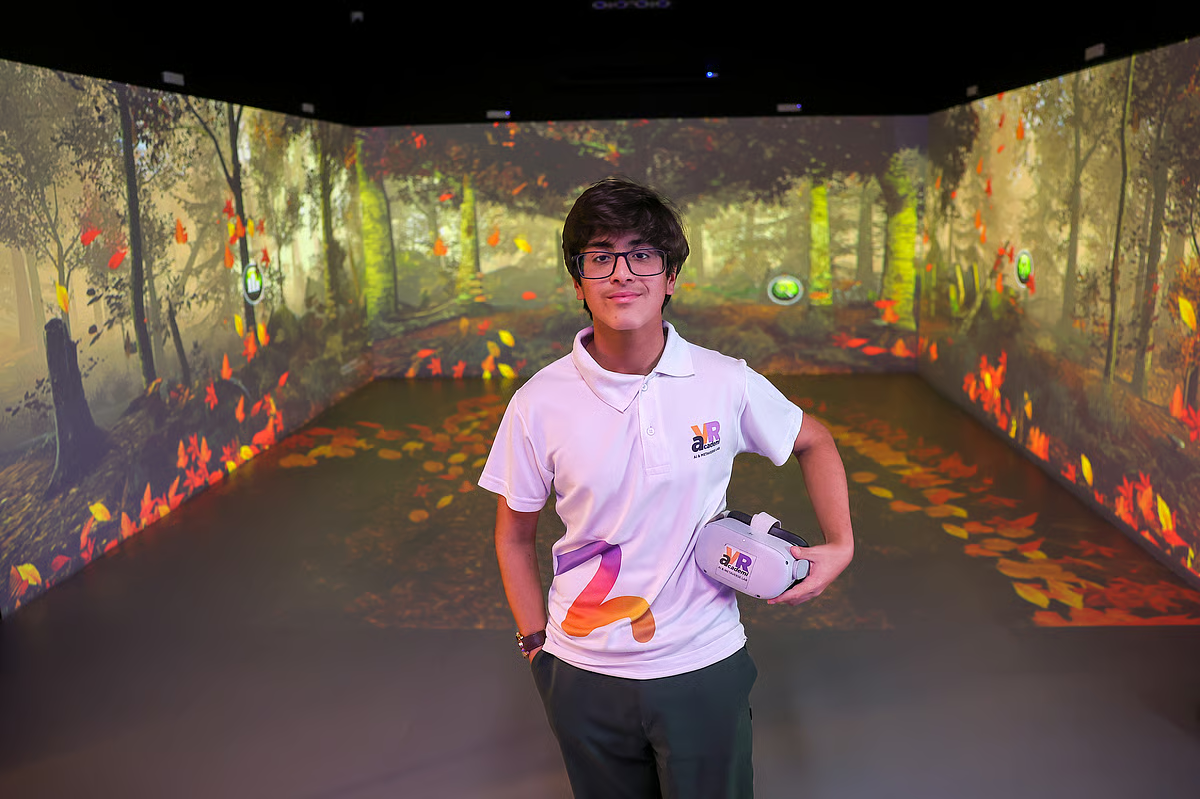

Dubai is rapidly emerging as a global hub for technological innovation, and a new center dedicated to immersive learning is contributing to that growth. VRAcademi, founded in 2020, offers courses in virtual reality, artificial intelligence, and game development to students of all ages. The company’s unique approach to education is gaining recognition as the UAE prioritizes future-skills training and investment in the metaverse.
The origins of VRAcademi trace back to a young student’s experience with VR technology and a desire to understand its underlying mechanics. This initial curiosity, shared with his father, Sonal Ahuja, led to the creation of an immersive education and innovation hub built around creativity, technology, and empowerment in Dubai.
The Rise of Virtual Reality Education
The demand for skills in emerging technologies is increasing globally, driven by the continued development of the metaverse and advancements in artificial intelligence. Organizations like the World Economic Forum predict that over 149 million jobs will require AI skills by 2025. Recognizing this shift, educational institutions are increasingly incorporating courses focused on these areas, but VRAcademi takes a distinctly hands-on approach.
Founded on the principle of learning by doing, VRAcademi provides access to state-of-the-art facilities, including virtual reality labs, robotics equipment, motion capture technology, and dedicated metaverse development spaces. Courses cover a range of topics, from foundational coding and AI principles to advanced game design and the creation of virtual art installations.
A Diverse Student Body
VRAcademi boasts a diverse student population, demonstrating the broad appeal of immersive technologies. The company has reported teaching students as young as six years old and as seasoned as 82 years old. This wide range highlights the adaptability of VR learning and addresses the need for reskilling across various demographics.
The curriculum is designed to cater to different skill levels and learning styles, fostering innovation through practical application. Students are not just consumers of VR experiences; they are empowered to become creators and developers within these environments.
Strategic Partnerships and Government Support
VRAcademi is actively collaborating with key organizations to expand its reach and impact. A current partnership with the Ministry of AI involves hosting youth camps focused on artificial intelligence and coding skills, promoting early exposure to these critical fields. Additionally, the company participates in VR4Clima, a European Union-backed Erasmus+ project that leverages immersive technology to promote climate awareness.
According to Sonal Ahuja, the UAE’s pro-innovation policies were a key factor in choosing Dubai as the location for VRAcademi. The government has demonstrated strong support for companies operating in the technology and education sectors, offering resources and fostering a collaborative ecosystem.
This support extends beyond financial investment, encompassing initiatives aimed at connecting innovators, facilitating knowledge sharing, and promoting entrepreneurship. The UAE’s “National Strategy for Artificial Intelligence 2031” exemplifies this commitment and outlines a vision for becoming a global leader in AI. This strategy directly feeds into the demand for skills being developed at places like VRAcademi.
VRAcademi has received recognition from various institutions for its contributions to future-skills training. This validation reinforces the importance of its mission to equip individuals with the tools they need to succeed in a rapidly evolving technological landscape. Furthermore, these accolades bolster the company’s reputation within the burgeoning EdTech sector.
The emphasis on developing skills like coding, artificial intelligence, and game development within a virtual reality framework positions VRAcademi as a leader in preparing the workforce of tomorrow. While similar initiatives are emerging in other parts of the world, the concentrated support and forward-thinking approach within the UAE provide a distinct advantage.
Looking ahead, VRAcademi plans to scale its operations and expand its course offerings to meet the growing demand for immersive learning experiences. Future developments are expected to include incorporating new technologies, such as augmented reality and advanced haptics, into the curriculum. However, the pace of expansion will likely depend on continued government support and the evolving needs of the job market.
The company is also actively exploring opportunities to collaborate with universities and other educational institutions to integrate its programs into their curricula. This integration could further accelerate the adoption of immersive technologies in education and ensure that students are well-prepared for the challenges and opportunities of the future. Monitoring these partnerships and their effectiveness will be crucial in assessing VRAcademi’s long-term impact on the regional and global tech landscape.