
Throughout 2025, Kuwait witnessed significant governmental strides under the leadership of His Highness the Prime Minister Sheikh Ahmad Al-Abdullah Al-Ahmad Al-Sabah. The Cabinet focused on accelerating long-delayed development projects, initiating crucial legal reforms, and strengthening Kuwait’s position on the international stage. This period marked a concerted effort to modernize the nation’s infrastructure, address societal concerns, and diversify its economic base, all while navigating a complex regional environment. This article will delve into the key advancements made during this time, demonstrating the impact of Sheikh Ahmad Al-Abdullah’s leadership.
Advancing Kuwait’s Infrastructure Projects
One of the hallmarks of Sheikh Ahmad Al-Abdullah’s tenure was a renewed commitment to infrastructure development. Several projects that had languished for years were finally brought to fruition or saw substantial forward movement. This push was vital for bolstering Kuwait’s economic prospects and improving the quality of life for its citizens.
The most prominent of these is undoubtedly the Mubarak Al-Kabeer Port. Recognizing its importance as a future logistical hub, the government, under the Prime Minister’s guidance, approved direct contracting with a Chinese state-owned construction firm for its implementation and operation. The signing of the engineering, procurement, and construction contract in December was a pivotal moment, signaling Kuwait’s intent to become a major player in regional trade.
Beyond the port, improvements to transportation infrastructure were also prioritized. The inauguration of a new control tower and a third runway at Kuwait International Airport significantly increased the airport’s capacity and efficiency. Furthermore, Sheikh Ahmad Al-Abdullah consistently chaired meetings of a ministerial committee dedicated to overseeing and expediting the progress of major development projects across the country. Housing and essential utilities also received considerable attention, with the Prime Minister leading discussions regarding service provision for new housing developments and planning for future electricity generation and water desalination capabilities.
Reshaping Kuwait’s Legal and Administrative Framework
Alongside infrastructure, Sheikh Ahmad Al-Abdullah’s government turned its attention to modernizing Kuwait’s legal system and streamlining its administrative processes, promoting governmental efficiency. These reforms aimed to address long-standing issues, protect citizen rights, and foster a more transparent and accountable governance structure.
Landmark Human Rights Reform
A major victory for human rights advocates came with the Cabinet’s approval to repeal Article 182 of the Penal Code. This controversial article had historically offered legal protection to kidnappers who married their victims, perpetuating a cycle of abuse and injustice. Its repeal demonstrates a commitment to upholding the rights and dignity of all individuals within Kuwait.
Strengthening Academic Integrity & Digital Governance
New legislation was also enacted to combat cheating and manipulation in middle and high school examinations, ensuring a fairer and more credible academic environment for Kuwaiti youth. Recognizing the growing importance of the digital economy, the Cabinet approved measures to regulate digital trade, amend civil and commercial procedures, and enable notarization through electronic and visual communication. The implementation of digital transformation within the judiciary, allowing for electronic litigation, further solidified this commitment to modernization. The government also addressed concerns surrounding a previous housing law, repealing it to ensure more equitable access to public housing for all citizens, reducing lengthy waiting lists.
Navigating Diplomacy and Security Challenges
Sheikh Ahmad Al-Abdullah played a crucial role in representing Kuwait on the global stage and addressing critical security concerns. He actively engaged in international diplomacy, fostering and strengthening relationships with key partners.
The Prime Minister led Kuwait’s delegation to several high-profile international gatherings, including the Sharm El-Sheikh Peace Summit, where he represented His Highness the Amir, and the opening of the Grand Egyptian Museum. These engagements underscored Kuwait’s commitment to regional peace and stability.
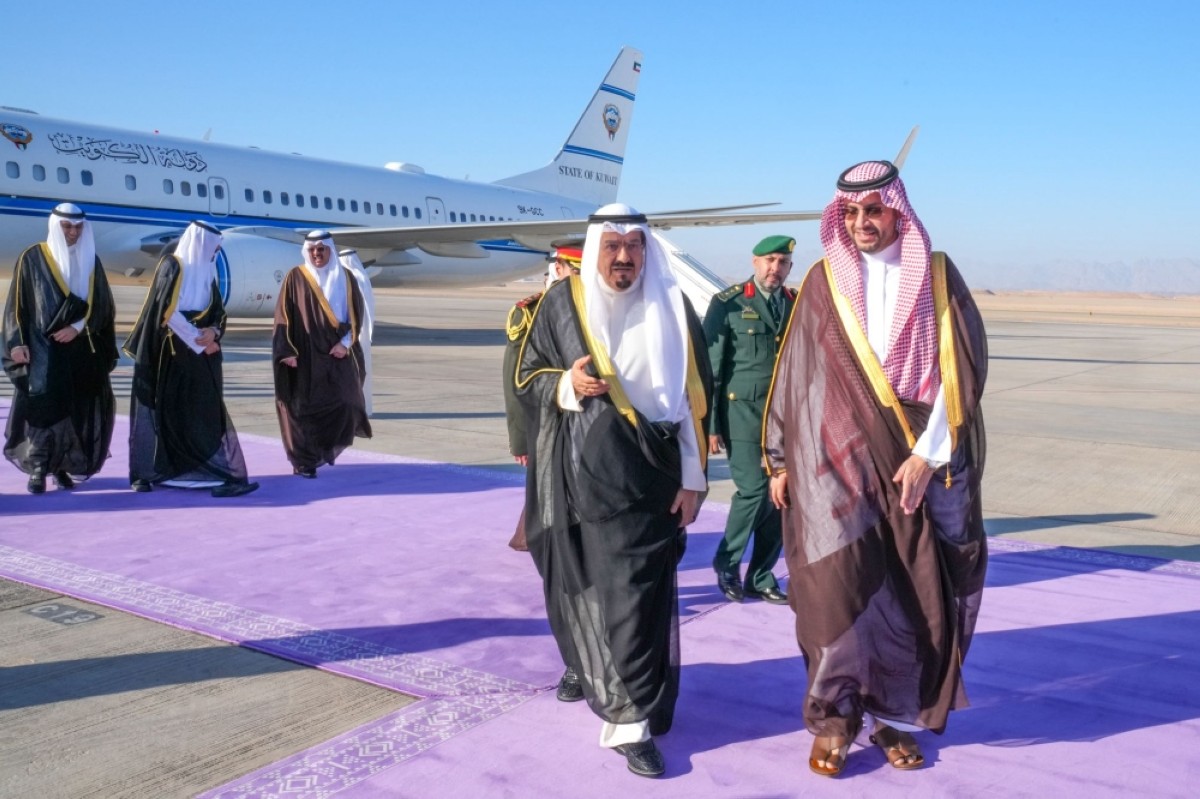
He met with numerous global leaders throughout the year, including the Egyptian Prime Minister Mostafa Madbouly, Sheikh Mansour bin Zayed Al Nahyan, and UAE Minister of State for Artificial Intelligence Omar Sultan Al Olama. He also welcomed Vietnamese Prime Minister Pham Minh Chinh to Kuwait and engaged in strategic discussions with Japanese Foreign Minister Iwaya Takeshi. Furthermore, he conducted an official visit to Saudi Arabia, focusing on academic collaboration.
On the multilateral front, he held important discussions with Kristalina Georgieva, Managing Director of the International Monetary Fund, and Kaja Kallas, the European Union’s foreign policy chief. He also addressed security concerns, chairing the Supreme Defense Council during a period of heightened regional tension stemming from events involving the Zionist entity’s actions, demonstrating a focus on national security.
In conclusion, 2025 was a significant year for Kuwait, marked by a proactive and ambitious governmental agenda driven by Sheikh Ahmad Al-Abdullah’s leadership. The advancements made in infrastructure development, legal reform, and international diplomacy position Kuwait for continued growth and progress. By prioritizing modernization, citizen welfare, and regional stability, the Cabinet, under his direction, laid a strong foundation for a prosperous future. Further details on Kuwait’s development initiatives can be found on the official government website [insert hypothetical website address here], encouraging continued engagement and transparency.