
Germany and France are preparing to urge the European Union to respond forcefully to former U.S. President Donald Trump’s renewed threat of a 10% tariff on European goods. The move comes after Trump indicated he would impose the tariffs if the EU doesn’t show interest in selling Greenland. This potential trade war escalation has prompted discussions about utilizing the EU’s Anti-Coercion Instrument, a relatively new tool designed to counter economic pressure from other nations.
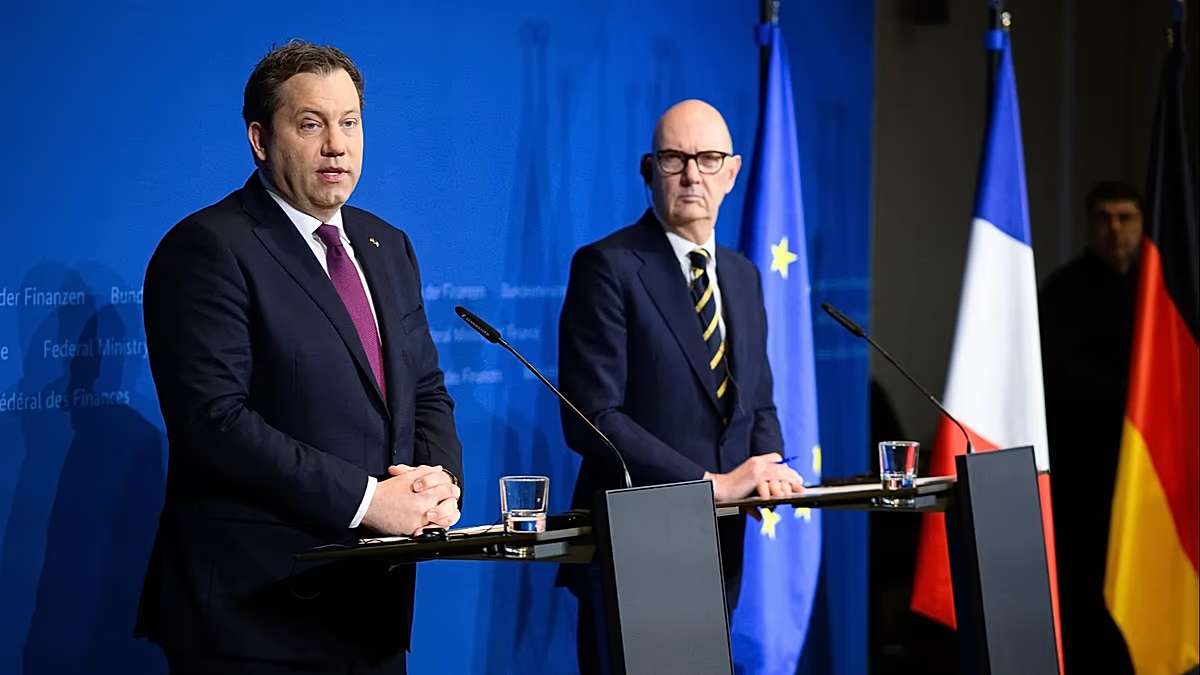
German Finance Minister Lars Klingbeil and French Finance Minister Roland Lescure announced their intention to lobby fellow EU members on Monday, emphasizing the need for a unified and decisive response. They stressed the importance of preventing the tariffs from being implemented, but also acknowledged the necessity of retaliation should Trump follow through on his pledge. The ministers’ statements signal a growing concern within the EU regarding the potential disruption to transatlantic trade relations.
EU Considers Response to Trump Tariffs
Trump’s proposal, made over the weekend, appears to link trade policy to a long-held, and previously publicly expressed, desire to potentially acquire Greenland. The idea of the U.S. purchasing Greenland has been repeatedly dismissed by both Danish and Greenlandic officials. The threat of tariffs has been widely criticized as unconventional and potentially damaging to the global economy.
Lescure characterized Trump’s pressure as “unacceptable,” arguing that tariffs should not be wielded as a tool for political leverage. He highlighted the EU’s willingness to employ a range of measures, including tariffs, trade agreements, and the Anti-Coercion Instrument, to protect its economic interests. The EU is currently assessing the legal and economic ramifications of Trump’s announcement.
The Anti-Coercion Instrument: A New Weapon?
The Anti-Coercion Instrument, adopted in 2023, represents a significant step in the EU’s efforts to assert its economic sovereignty. It allows the EU to investigate and potentially punish countries attempting to coerce EU members through economic means. According to the European Parliament, the instrument aims to deter such behavior and protect the EU’s legitimate interests.
While the instrument has yet to be used, Trump’s threats have spurred calls for its immediate deployment. French President Emmanuel Macron has publicly advocated for utilizing the tool, and several former EU officials have echoed his sentiment. These officials believe the situation warrants a strong signal to the U.S. that the EU will not tolerate economic coercion.
The instrument’s potential measures include restricting access to the EU’s single market, limiting trade licenses, and excluding offending states from EU public procurement tenders. The severity of the response would likely be proportional to the scale and impact of the coercive actions. However, deploying the instrument is not without risk, potentially escalating tensions and leading to further retaliatory measures.
Klingbeil emphasized the seriousness of the situation, stating that the potential for escalation should not be underestimated. He expressed hope that the U.S. would reconsider its position, but affirmed that the EU must be prepared to react if Trump proceeds with the proposed tariffs. The German Finance Minister also noted the desire of many businesses to avoid a damaging trade dispute.
The situation is further complicated by ongoing geopolitical tensions and the upcoming U.S. presidential election. The potential for trade disputes to broaden and impact other sectors remains a significant concern for European policymakers. The EU is also likely considering its options within the World Trade Organization (WTO) should the tariffs be implemented, potentially initiating dispute settlement proceedings.
The coming weeks will be crucial as the EU deliberates its response and attempts to engage with the U.S. to de-escalate the situation. Businesses engaged in transatlantic trade should closely monitor developments and prepare for potential disruptions. The EU’s decision on whether to activate the Anti-Coercion Instrument will set a precedent for its future use and signal the bloc’s commitment to defending its economic interests against external pressure.
Stay informed about the evolving trade landscape and its impact on your business by following updates from the European Commission and relevant industry associations.