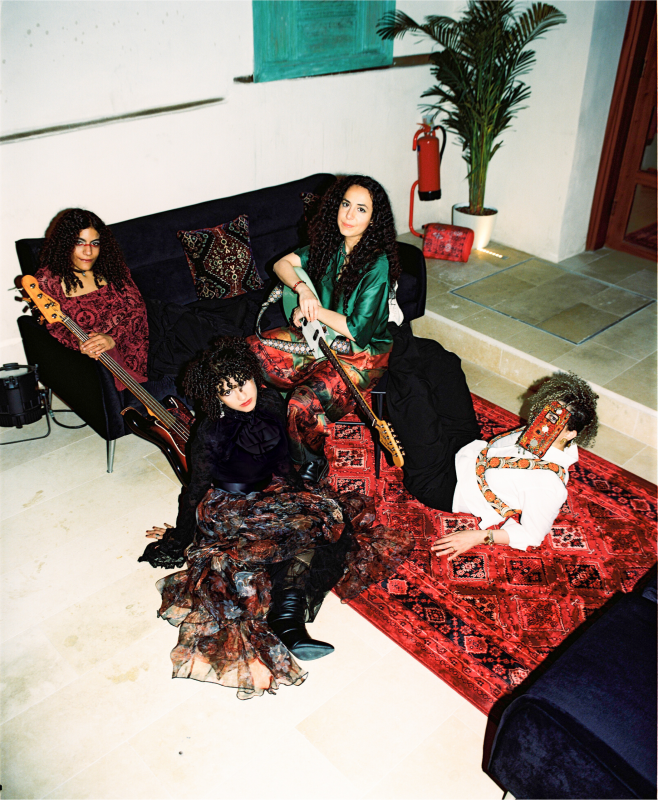

Four young women from Riyadh are challenging musical norms and gaining recognition for their unique sound: Saudi rock sung in the traditionally spoken Najdi dialect. The band, known as Seera, is breaking barriers in a traditionally male-dominated music scene and resonating with audiences both within the Kingdom and internationally. Their blend of psychedelic rock with Arabic musical scales is attracting attention to a new wave of Saudi musical expression.
Seera’s rise reflects a broader cultural shift in Saudi Arabia, where opportunities for women in the arts are expanding. The band has already performed at major events like Balad Beast and Soundstorm, and recently completed their first European tour, culminating in a performance at London’s Queen Elizabeth Hall.
The Rise of Saudi Rock and a New Voice
The members of Seera – Noura, Haya, Meesh, and Thing – each bring distinct backgrounds and influences to the group. Noura, the vocalist, has a foundation in classical music, while Meesh discovered her passion for bass through video games. Haya, a former psychology student, and Thing, a seasoned drummer, completed the lineup.
Despite their diverse paths to music, the band members emphasize a strong sense of camaraderie. “We’re like a family, honestly,” Thing stated, highlighting the collaborative spirit that drives their creative process. This connection is crucial, as they navigate the challenges and rewards of pioneering a new genre.
Blending Tradition and Modernity
Seera’s music isn’t simply rock played in Arabic; it’s a deliberate fusion of musical traditions. They incorporate traditional Arabic melodic scales, drawing inspiration from iconic artists like Fairuz and Oum Kalthoum, alongside influences from Western rock bands such as The Doors and Nirvana. This combination creates a sound that is both familiar and refreshingly original.
The decision to sing in the Najdi dialect was particularly significant. Haya explained, “Rock barely existed in the Najdi dialect. We wanted to hear ourselves in our music.” This choice allows them to connect with their cultural roots and offer a unique form of representation for speakers of the dialect.
Meesh succinctly captured the band’s ethos: “If the representation you want doesn’t exist, create it.” This sentiment underscores their commitment to forging their own path and inspiring others.
International Recognition and Touring
Seera’s music has resonated beyond Saudi Arabia’s borders. Their recent European tour, organized in part by the Saudi Music Commission, exposed their sound to new audiences. The band reported enthusiastic responses from concertgoers, even those unfamiliar with the Arabic language.
Thing described the experience of seeing “Swedish kids with colorful hair dancing to our music” as incredible. The London performance at Queen Elizabeth Hall was a particular highlight, with the audience reportedly knowing the lyrics to their songs despite the language barrier. However, the tour wasn’t without its challenges, including lost equipment and illness.
This international exposure is part of a larger effort to promote Saudi music globally. The Music Commission has been actively supporting Saudi artists in their efforts to reach international audiences, recognizing the cultural and economic potential of the Kingdom’s growing music scene. The band’s success is also contributing to the growing popularity of Arabic music worldwide.
New Release: “Sarab” (Mirage)
On November 27, Seera is scheduled to release their second EP, titled “Sarab,” which translates to “Mirage” in English. The EP explores themes of growing up and the disillusionment that can accompany adulthood. According to the band, it’s about “losing that childlike curiosity until the truth feels far away – like a mirage.”
The EP features four tracks: “Shams” (a search for hope), “Zaman” (a reflection on being a young Saudi woman today), “Athr” (an experimental track showcasing their range), and “Akhir Sarkha” (a song about endangered species, incorporating real animal recordings in collaboration with Earth Sonic). This collaboration demonstrates a commitment to using their platform to raise awareness about environmental issues.
The future for Seera remains uncertain, but their momentum is undeniable. Further releases and continued touring are expected, and their success will likely encourage other Saudi artists to experiment with genre and language. The band’s continued growth and the broader response to their music will be key indicators of the evolving landscape of the Saudi music industry and its increasing integration with the global music community.