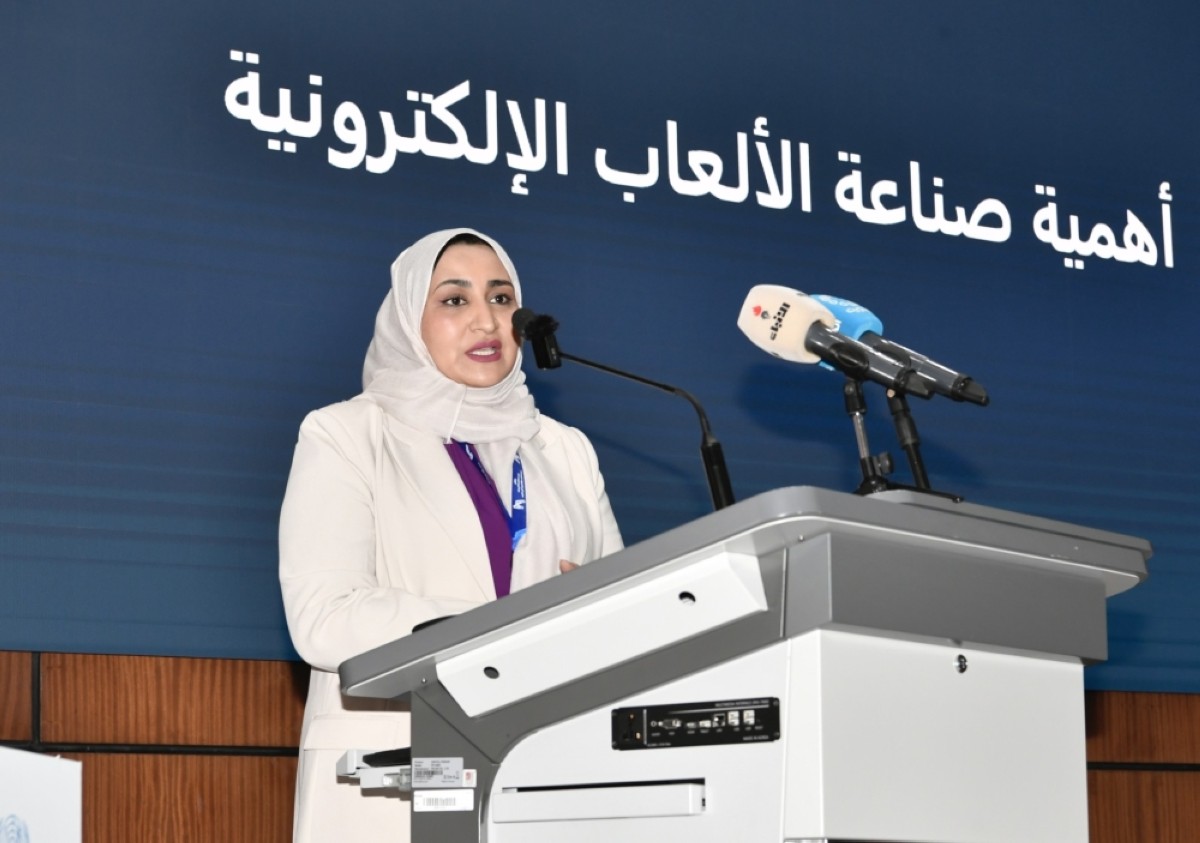

Kuwait is actively charting a new course for its economy and cultural landscape, and at the heart of this strategy lies the burgeoning video game industry. A recent two-day forum, “Towards a Promising Cultural Future for the Video Game Industry in Kuwait,” held at the Arab Open University in collaboration with the National Council for Culture, Arts and Letters, underscored the nation’s commitment to harnessing the power of gaming for growth and innovation. This initiative isn’t just about entertainment; it’s a calculated move to tap into a global market and cultivate a new generation of Kuwaiti talent.
Kuwait’s Vision for a Thriving Gaming Sector
The forum served as a platform to highlight the immense potential of the video game industry within Kuwait and the wider Middle East and North Africa (MENA) region. Speakers emphasized the industry’s rapid expansion and its increasing reliance on cutting-edge technologies like artificial intelligence (AI) and virtual reality (VR). Omaima Al-Saad, founder and director of gaming industry programs at the National Council, revealed impressive figures, stating that global video game revenues are projected to reach approximately $197 billion by 2025, with the MENA region contributing a substantial $7.1 billion.
This growth isn’t simply about numbers; it’s about opportunity. Kuwait recognizes the potential to not only participate in this global market but to shape it, by creating games that reflect and celebrate its unique cultural identity. This focus on cultural relevance is a key differentiator in a crowded industry.
The Role of Cultural Adaptation in Game Development
Al-Saad specifically pointed to the growing trend of Arab game developers adapting popular global titles to resonate more deeply with regional audiences. This involves incorporating local narratives, characters, and artistic styles, creating a more immersive and relatable experience for players in the Middle East. This adaptation is crucial for fostering a sense of ownership and pride within the local gaming community.
Education and Workforce Development: Building a Future-Ready Talent Pool
A central theme throughout the forum was the importance of education and workforce development. The Arab Open University, a key partner in this initiative, is already taking concrete steps to prepare Kuwaiti youth for careers in the video game industry. Director Dr. Salah Alhammadi explained that the forum directly supports Kuwait Vision 2035, which prioritizes the development of a knowledge economy, youth empowerment, and innovation.
The university has launched three academic programs specifically tailored to the needs of the gaming sector: game design, programming, and esports. These programs aim to equip students with the skills and knowledge necessary to thrive in a rapidly evolving landscape. Dr. Eisa Al-Harbi, dean of the College of Computer Studies, further emphasized the academic recognition of gaming, noting its emergence as a legitimate field of study at universities worldwide.
Diverse Career Paths Within the Gaming Industry
The opportunities within the video game industry extend far beyond just game development. Dr. Al-Harbi outlined a diverse range of potential career paths, including programming, graphics design, user interface (UI) and user experience (UX) design, audio engineering, VR and augmented reality (AR) development, digital marketing, and content creation. This breadth of options makes the sector particularly attractive to young Kuwaitis seeking fulfilling and future-proof careers.
Integrating Kuwaiti Culture into the Digital Economy
The National Council for Culture, Arts and Letters is playing a pivotal role in fostering this growth. Aisha Al-Mahmoud, Assistant Secretary General for the Culture Sector, highlighted the strategic partnership with the Arab Open University and its importance in positioning Kuwaiti culture within the global digital economy.
The council’s focus is shifting from simply consuming technology to actively creating it. They are working to empower young Kuwaitis to become game developers, artists, and storytellers, and to provide them with the resources and support they need to bring their visions to life. This includes building an ecosystem that facilitates the international distribution of locally produced games. Game development is seen as a key component of this cultural and economic shift.
Skills Development Beyond Coding
The forum also addressed the broader skillset required for success in the gaming world. Discussions centered on the development of crucial soft skills such as strategic thinking, problem-solving, planning, and teamwork – all honed through gameplay and collaborative game creation. These skills are transferable and valuable across a wide range of industries, further enhancing the long-term benefits of investing in the video game industry.
In conclusion, Kuwait’s commitment to the video game industry is a forward-thinking strategy with the potential to deliver significant economic and cultural returns. By investing in education, fostering local talent, and prioritizing cultural relevance, Kuwait is positioning itself as a key player in the global gaming landscape. The forum’s success signals a promising future, not just for gamers in Kuwait, but for the nation as a whole, as it embraces the power of interactive entertainment to drive innovation and growth. The ongoing discussions and initiatives are sure to shape a vibrant and dynamic gaming ecosystem in the years to come, and those interested in contributing to this exciting field are encouraged to explore the opportunities available.