


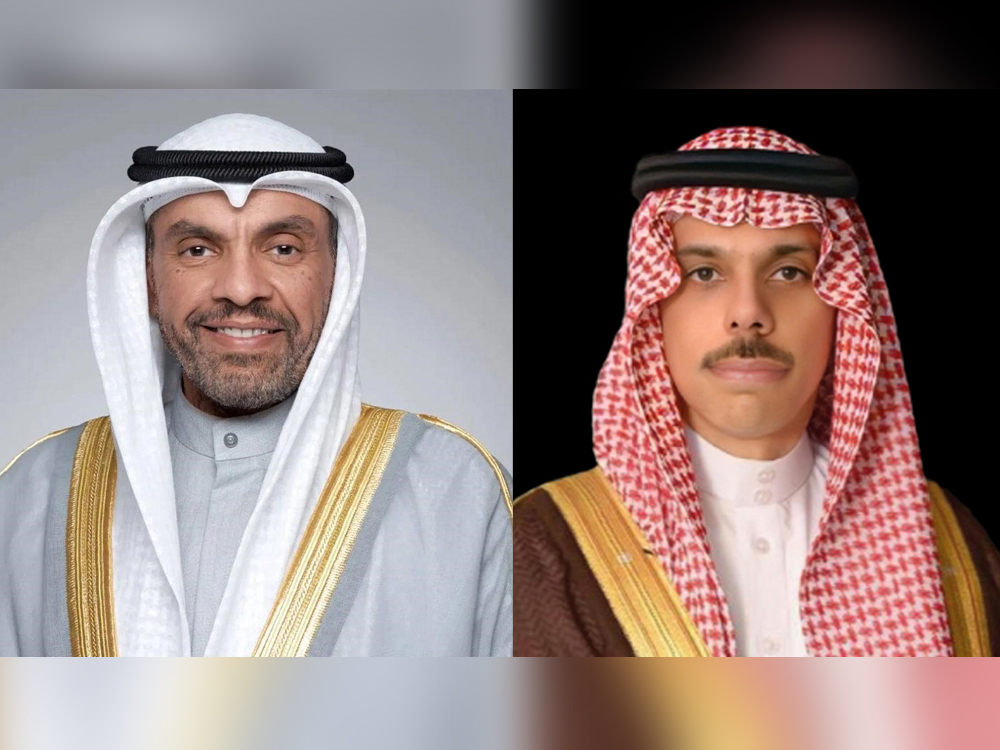

Kuwait and Saudi Arabia are reinforcing diplomatic ties with a focus on regional stability and economic cooperation. On Sunday, Kuwait’s Foreign Minister Abdullah Al Yahya spoke with his Saudi Arabian counterpart, Prince Faisal bin Farhan Al Saud, to discuss strengthening bilateral relations and addressing pressing issues in the Middle East. The call underscores the ongoing commitment of both nations to collaborative problem-solving.
The discussion between the two foreign ministers took place on January 21, 2024, and centered on enhancing cooperation across multiple sectors. According to a statement released by the Kuwaiti Ministry of Foreign Affairs, the leaders also exchanged perspectives on recent regional and international developments. This communication is particularly significant given the complex geopolitical landscape of the Gulf region.
Strengthening Kuwait-Saudi Arabia Bilateral Relations
The phone call represents a continuation of efforts to deepen the strategic partnership between Kuwait and Saudi Arabia. Both countries are members of the Gulf Cooperation Council (GCC), a political and economic alliance of Gulf states, and share common security concerns. Maintaining a strong alliance is seen as crucial for navigating these challenges.
Historically, Kuwait and Saudi Arabia have enjoyed close ties, rooted in shared cultural heritage and economic interdependence. However, periods of tension have occurred, often linked to broader regional conflicts or differing approaches to oil policy. Recent years have seen a concerted effort to overcome these hurdles and build a more robust relationship.
Areas of Cooperation
While specific details of the discussed cooperation weren’t released, diplomatic ties between the two nations likely encompass several key areas. These include energy collaboration, given both countries’ prominent roles in the global oil market, and security coordination to counter terrorism and regional threats.
Additionally, economic diversification initiatives, such as those outlined in Saudi Arabia’s Vision 2030 and Kuwait’s development plans, are expected to be a focus. Increased trade and investment, as well as joint projects in sectors like tourism and infrastructure, could be explored. The ministers likely discussed opportunities to align these national strategies.
The exchange of views on regional and international developments suggests a focus on de-escalation and peaceful resolution of conflicts. The ongoing situation in Yemen, the broader Israeli-Palestinian conflict, and concerns about Iran’s regional influence are all likely topics of discussion. Both countries have historically played mediating roles in regional disputes.
Recent reports indicate increased Saudi investment in Kuwaiti projects, signaling a growing economic partnership. This investment is seen as a vote of confidence in Kuwait’s economic stability and potential. Simultaneously, Kuwait has expressed support for Saudi Arabia’s efforts to diversify its economy and attract foreign investment.
The timing of this call is noteworthy, coming amidst heightened geopolitical tensions in the Red Sea and ongoing efforts to stabilize oil markets. The Houthi attacks on commercial vessels have raised concerns about disruptions to global trade, and both Kuwait and Saudi Arabia have a vested interest in maintaining maritime security. This shared interest likely formed a significant part of their conversation regarding regional security.
In contrast to some other regional dynamics, the Kuwait-Saudi relationship has generally been characterized by stability and a commitment to dialogue. This is partly due to the strong personal relationships between the leadership of both countries. Continued high-level communication is considered essential for maintaining this positive trajectory.
Looking ahead, further meetings between Kuwaiti and Saudi officials are anticipated in the coming weeks. These could involve discussions on specific joint projects or the development of a more formalized framework for cooperation. The success of these efforts will depend on navigating the complex regional landscape and maintaining a shared commitment to stability and prosperity. The next GCC summit will also be a key event to watch for further developments in Kuwait-Saudi relations and broader regional cooperation.
Analysts suggest that a key indicator of progress will be the implementation of any agreements reached during these discussions. While the stated intention to strengthen ties is positive, concrete actions will be necessary to demonstrate a genuine commitment to a deeper partnership. The evolving situation in Yemen and the broader Middle East will undoubtedly continue to shape the dynamics between these two important Gulf states.
The ongoing dialogue also reflects a broader trend towards increased cooperation within the GCC, as member states seek to address common challenges and promote regional integration. This collaborative approach is seen as vital for maintaining the GCC’s relevance and influence in a rapidly changing world.