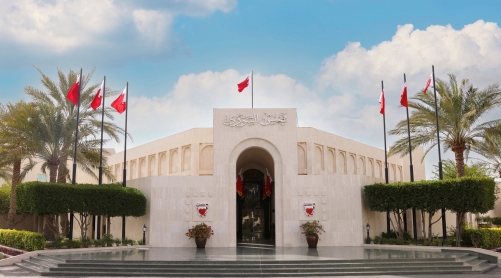

Bahrain is poised to modernize its sports landscape with significant changes to regulations governing sports professionalism. The Shura Council is set to review three draft laws today, with a key focus on amendments to existing legislation that aim to empower national sports federations while maintaining legal oversight. These changes come as a response to concerns about bureaucratic delays and the need for greater flexibility in managing the unique demands of different sporting disciplines. The proposed updates seek to strike a balance between autonomy and accountability, fostering a more dynamic and efficient environment for athletes and federations alike.
Enhancing Sports Professionalism in Bahrain: A New Legal Framework
The core of the proposed changes lies in Decree-Law No. 40 of 2025, which amends Law No. 8 of 2021 on sports professionalism. Currently, the system has faced criticism for being overly centralized, requiring federations to navigate complex procedures for even minor technical decisions related to athlete contracts and transfers. This has reportedly hindered the swift development of various sports and created unnecessary administrative burdens.
The new decree-law seeks to address these issues by granting national federations a broader scope of authority on technical matters. This means they will have more control over drafting and implementing regulations specific to their sport, as well as managing the professional aspects of their athletes’ careers. However, this increased freedom will be carefully balanced with the requirement that all actions remain compliant with Bahrain’s existing legal framework.
The Role of the General Sports Authority
A crucial element of the proposed legislation is the assignment of responsibility for issuing general rules for the entire professional athlete system to the President of the General Sports Authority (GSA). This centralized oversight will ensure consistency across all sports while still allowing federations the flexibility to tailor regulations to their specific needs.
The GSA’s role will be to establish the overarching principles and guidelines, while the federations will be responsible for the detailed implementation within their respective sports. This division of labor is intended to streamline the process and avoid the duplication of effort that has characterized the current system. This also aims to improve the overall governance of sports in Bahrain.
Balancing Autonomy and Legal Oversight
The Youth Committee, responsible for reviewing the decree-law, strongly recommended its approval. Their report highlights the importance of recognizing the distinct technical and competitive requirements of different sports. For example, the regulations governing player transfers in football are vastly different from those in athletics or swimming.
The committee argued that federations, possessing the deepest understanding of their sports, are best positioned to create effective and appropriate regulations. However, they also emphasized the necessity of maintaining legal accountability to protect the rights of athletes and ensure fair play. This balance is central to the proposed changes, aiming to foster a thriving sports industry without compromising on ethical and legal standards.
Addressing Concerns About Contract Management
One of the key areas addressed by the decree-law is the management of professional athletes’ contracts and transfers. The current system often involves lengthy approval processes, which can delay or even derail important deals. This can be particularly detrimental to Bahraini athletes seeking opportunities abroad, or to attracting international talent to the country.
The proposed amendments aim to simplify these procedures, allowing federations to manage contracts and transfers more efficiently. This will not only benefit athletes but also contribute to the overall growth and competitiveness of Bahraini sports. The goal is to create a more attractive and dynamic environment for sports development within the Kingdom.
Implications for Bahraini Sports
The passage of these laws could have a significant positive impact on the future of sports in Bahrain. By empowering federations and streamlining administrative processes, the new framework is expected to:
- Attract Investment: A more efficient and transparent system will likely attract greater investment in Bahraini sports, both from domestic and international sources.
- Enhance Athlete Development: Faster and more flexible contract negotiations will allow athletes to pursue opportunities that best support their development.
- Improve Competitiveness: Greater autonomy for federations will enable them to tailor regulations to enhance the competitiveness of their respective sports.
- Strengthen Governance: Clearer lines of responsibility and accountability will contribute to stronger governance structures within the sports sector.
In conclusion, the proposed amendments to Bahrain’s sports professionalism laws represent a significant step forward in modernizing the country’s sports landscape. By striking a balance between the technical independence of federations and the need for legal oversight, the new framework promises to create a more dynamic, efficient, and competitive environment for athletes and sports organizations alike. The Shura Council’s review today will be a crucial moment in shaping the future of sports in Bahrain, and stakeholders will be watching closely for a positive outcome. Further discussion on these changes and their impact is encouraged to ensure a successful implementation and continued growth of the sector.