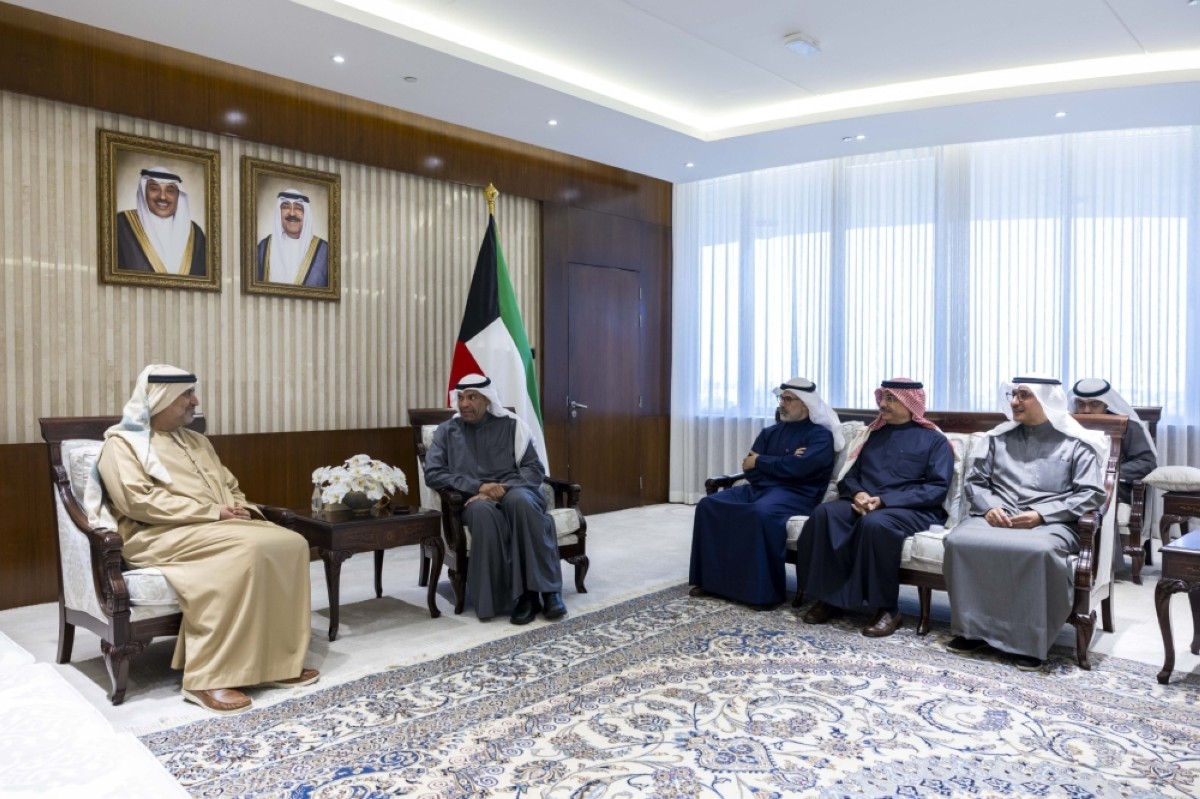

Kuwait continues to actively bolster its diplomatic connections within the Gulf region and beyond, solidifying its role as a key player in regional stability. Recent meetings hosted by Kuwait’s Foreign Minister, Abdullah Al-Yahya, underscore this commitment, with official letters received from both Palestine and Oman on Sunday. These exchanges signal ongoing dialogue and a concerted effort to strengthen Kuwait diplomatic relations, focusing on mutual cooperation and shared interests.
Strengthening Ties with Palestine and Oman
The meetings, held at the Foreign Ministry’s headquarters, brought together Minister Al-Yahya with ambassadors from both Palestine and Oman, marking a productive day for Kuwaiti diplomacy. The discussions centered on deepening bilateral ties and addressing regional issues requiring collaborative solutions.
Receiving the Palestinian Message
Kuwait’s Foreign Minister received a written message from Palestinian Foreign Minister Varsen Aghabekian Shahin, delivered by Palestinian Ambassador Rami Tahboub. While the specifics of the message weren’t disclosed in the official KUNA report, it’s reasonable to assume the correspondence addressed the current political climate in Palestine, potentially including updates on peace initiatives, humanitarian concerns, and ongoing challenges facing the Palestinian people.
Kuwait has historically been a strong supporter of the Palestinian cause, and these continued communications are crucial for maintaining consistent diplomatic support. The exchange emphasizes Kuwait’s commitment to a two-state solution and a just and lasting peace for the region. This commitment to regional stability is a defining characteristic of Kuwait’s foreign policy.
Enhancing Kuwait-Oman Cooperation
Simultaneously, Minister Al-Yahya received a letter from Omani Finance Minister Sultan bin Salem Al-Habsi, presented by Omani Ambassador Saleh bin Amer Al-Kharousi. This meeting highlighted the robust existing ties between Kuwait and Oman, focusing specifically on opportunities to expand economic cooperation.
The discussion likely covered potential joint ventures in sectors like energy, logistics, and investment, areas where both nations possess significant strengths. Due to their shared geographical position and mutual interest in regional development, closer collaboration between Kuwait and Oman offers tangible benefits for both countries. The increase of trade and investment is a priority in the strengthen relationship.
Fostering Relations with the United Arab Emirates
In addition to the engagements with Palestinian and Omani representatives, Minister Al-Yahya also held a meeting with Dr. Matar Al-Neyadi, the UAE Ambassador to Kuwait. This meeting underlined the close friendship and strategic partnership between Kuwait and the UAE.
The discussions are reported to have centered on topics of mutual interest, suggesting a broad and dynamic exchange concerning regional security, trade, and perhaps even cultural initiatives. This emphasis on a multifaceted relationship reflects the deep and long-standing connection between the two nations. Furthermore, the UAE has rapidly grown as a key economic partner for Kuwait, making the continuation of these talks vitally important. Positive Kuwait diplomatic relations with all neighboring countries are a key tenet of its foreign policy.
The Importance of Ongoing Dialogue
These meetings represent a proactive approach to diplomacy by Kuwait, demonstrating a commitment to direct engagement and open communication with key partners. In a region often characterized by complexity, maintaining strong bilateral relationships is essential for navigating challenges and fostering cooperation.
The fact that these exchanges occur at the highest levels of government—with Foreign Ministers and Finance Ministers directly involved—signifies the importance Kuwait places on these relationships. Regular dialogue facilitates a deeper understanding of each nation’s priorities and concerns, fostering trust and enabling collaborative problem-solving.
It’s noteworthy that these diplomatic efforts coincide with broader regional initiatives aimed at de-escalation and promoting security. Kuwait’s active participation in these initiatives, combined with its bilateral engagements, reinforces its position as a constructive force in the Middle East. This proactive stance contributes significantly to international relations and positions the nation as a reliable stakeholder.
Looking Ahead
The reception of these letters and subsequent meetings are a clear indicator of Kuwait’s dedication to strengthening its political and economic ties within the region. These ongoing interactions highlight a commitment to peaceful dialogue and collaborative solutions. Maintaining these strong lines of communication will be crucial in addressing the evolving challenges facing the Middle East and ensuring continued stability and prosperity for Kuwait and its partners. The next steps for Kuwait will likely involve follow-up discussions to translate the conversations into concrete actions and projects that benefit all involved parties.