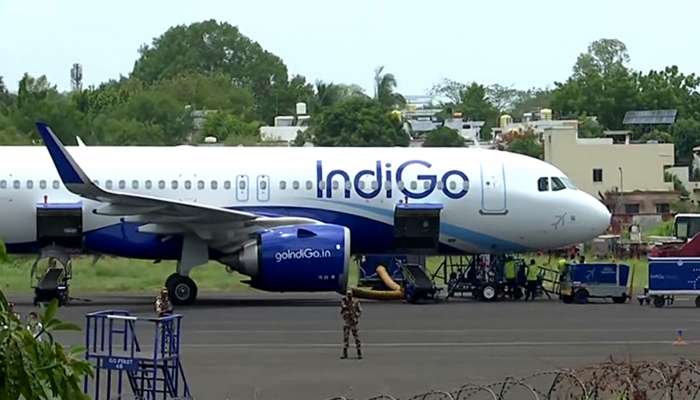

Hundreds of passengers travelling between Oman and India are facing significant uncertainty as IndiGo, a major Indian carrier, continues to grapple with widespread flight cancellations. Over the past two days, the airline has cancelled more than 300 flights, impacting travel plans across the region and leaving many stranded or fearing disruption. This situation is particularly concerning for those connecting through major Indian cities like Mumbai, Cochin, and Hyderabad, key hubs for IndiGo’s domestic network.
IndiGo Flight Cancellations: Impact on Oman-India Travel
The disruption began on Wednesday with the cancellation of 150 flights and escalated on Thursday with at least 175 more grounded. While the cancellations are primarily affecting domestic routes within India, the ripple effect is keenly felt in Oman, where IndiGo operates regular services to several Indian destinations. Muscat International Airport is a crucial transit point for many Indian expats and visitors, and the current chaos is adding stress to an already busy travel period.
Affected Routes and Connecting Flights
IndiGo provides direct flights from Muscat to major Indian cities, including Mumbai, Cochin, and Hyderabad. However, a substantial number of passengers utilize these flights to reach smaller Indian cities via domestic connections. “After landing in Mumbai, Cochin and Hyderabad, hundreds of passengers use IndiGo’s domestic flights to travel to other parts of India,” explained a travel agent based on Ruwi High Street. The cancellations are therefore impacting a far wider pool of travellers than just those with direct flights.
Passengers with onward travel plans are bearing the brunt of the problem. Ravi Kumar, a traveller scheduled to fly from Delhi to Mumbai with a connecting flight to Muscat, embodies the anxiety faced by many. “I don’t know if my Delhi–Mumbai flight will take off or not. I have a connecting flight to Muscat on Saturday morning,” he shared, highlighting the uncertainty surrounding even short-term travel plans. The situation has now extended into a third day, prolonging the distress for travellers.
Reasons Behind the IndiGo Disruption
IndiGo, which controls over 60% of the Indian domestic aviation market, has attributed the cancellations to a confluence of factors. A key contributing element is the recent implementation of stricter flight duty time limits by India’s aviation regulator, the Directorate General of Civil Aviation (DGCA). These new regulations are designed to address pilot fatigue and enhance flight safety.
However, the quick implementation appears to have severely disrupted IndiGo’s crew rostering. The airline has found itself short-staffed on certain routes, forcing them to cancel flights rather than compromise on safety standards. This highlights the challenges airlines face when adapting to new regulatory requirements, particularly when it comes to managing crew schedules effectively. The airline is working to resolve the issues, but the impact on passengers remains substantial.
DGCA Investigation and Mitigation Efforts
Recognizing the severity of the situation, the DGCA has launched a full investigation into the mass cancellations. The regulator is working closely with IndiGo to understand the root causes of the disruption and to implement measures to minimize further delays and cancellations. The focus is on ensuring that the airline can operate safely and efficiently while adhering to the new flight duty time limits.
The investigation will likely examine IndiGo’s crew management practices, its ability to anticipate and respond to regulatory changes, and the effectiveness of its communication with passengers. The DGCA is also expected to assess whether the airline took adequate steps to mitigate the impact of the cancellations on travellers.
What Passengers Can Do
Travellers affected by the IndiGo flight cancellations are advised to regularly check the airline’s website and social media channels for updates on their flight status. Contacting IndiGo’s customer service is also crucial, although wait times may be long due to the high volume of inquiries.
Additionally, passengers should explore alternative travel options, such as flights with other airlines. However, securing last-minute flights, especially during peak season, can be challenging and expensive. Travel insurance that covers flight cancellations and disruptions can provide financial protection and assistance with rebooking. Understanding your rights as a passenger is also important; airlines are generally obligated to provide assistance, such as accommodation and meals, in cases of significant delays or cancellations. The current airline disruption is a reminder of the importance of being prepared for unexpected travel challenges.
Looking Ahead: Restoring Confidence in Travel
The ongoing flight cancellations by IndiGo have understandably shaken the confidence of travellers between Oman and India. Restoring that confidence will require a concerted effort from the airline and the regulatory authorities. IndiGo needs to demonstrate a clear plan for resolving the crew rostering issues and preventing similar disruptions in the future.
The DGCA, meanwhile, must ensure that the new safety regulations are implemented in a way that minimizes disruption to air travel. This may involve providing airlines with additional guidance and support, as well as closely monitoring their operations. Ultimately, the goal is to strike a balance between enhancing flight safety and maintaining a reliable and efficient air transportation system. The situation underscores the interconnectedness of the global aviation network and the importance of proactive planning and communication in managing disruptions. Passengers are urged to stay informed and exercise patience as the situation unfolds.
For those planning travel between Oman and India, it’s advisable to monitor the situation closely and consider booking with airlines that haven’t experienced similar disruptions. Staying updated on travel advisories and having a flexible itinerary can also help mitigate potential problems.