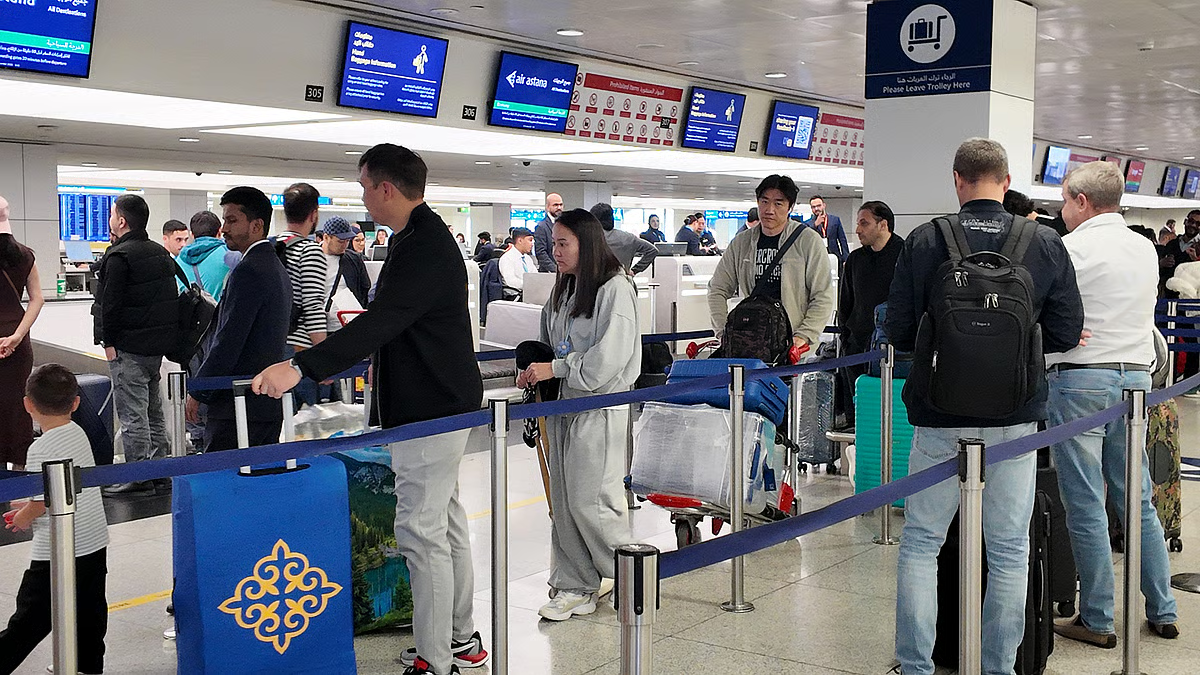

Dubai International (DXB) experienced its busiest days on record during the recent holiday travel period, processing nearly 2 million passengers. The surge in travelers underscores Dubai’s growing role as a global travel hub and highlights the continued recovery of international air travel. This unprecedented volume at Dubai Airport occurred between December 28th, 2023, and January 8th, 2024, according to data released by Dubai Airports.
The airport reported a total of 1,967,567 passengers during this 11-day period, surpassing previous peak travel times. This represents a significant increase compared to the same period last year, signaling a robust rebound in travel confidence and demand. The figures include both arriving and departing passengers, with a substantial portion attributed to international connections.
Record Passenger Numbers at Dubai Airport
The record-breaking passenger numbers at Dubai Airport are a culmination of several factors. Increased flight capacity from airlines operating through DXB, coupled with Dubai’s popularity as a winter destination, contributed significantly to the surge. Additionally, the timing coincided with school holidays in many countries, further fueling travel demand.
Factors Driving the Increase
Several key elements contributed to the exceptional passenger flow. These include:
- Increased airline capacity, particularly on routes to and from Europe, Asia, and Africa.
- Dubai’s position as a major transit point for passengers connecting between different regions.
- The city’s appeal as a destination for leisure, business, and shopping.
According to the Dubai Department of Economy and Tourism, the city welcomed 17.15 million international overnight visitors between January and November 2023, a 20% increase compared to the same period in 2022. This growth in tourism directly translates to increased passenger traffic through Dubai Airport. The emirate has actively promoted itself as a safe and attractive destination, attracting visitors from diverse markets.
The airport implemented several measures to manage the increased passenger flow, including deploying additional staff, optimizing security screening processes, and utilizing technology to enhance efficiency. These efforts aimed to minimize congestion and ensure a smooth travel experience for passengers. However, reports indicated some delays and longer-than-usual wait times during peak hours, despite the preparations.
The surge in passenger traffic also benefited the wider aviation ecosystem in Dubai, including airlines, ground handling services, and retail outlets. Emirates, the UAE’s flagship carrier, reported a significant increase in passenger numbers during the holiday period, reflecting the overall growth in demand. The increased activity also boosted revenue for businesses operating within the airport and surrounding areas. Air travel continues to be a vital component of Dubai’s economy.
Meanwhile, other major international airports also reported increased passenger volumes during the holiday season, but Dubai’s growth rate appears to be particularly strong. Airports in the United States and Europe experienced significant congestion and disruptions due to weather conditions and staffing shortages, while DXB managed to maintain relatively smooth operations. This resilience has further enhanced Dubai’s reputation as a reliable and efficient travel hub.
In contrast to some other global hubs, Dubai has invested heavily in infrastructure expansion and technological upgrades in recent years. The airport’s Concourse A, dedicated to Emirates’ A380 operations, and the ongoing expansion of Terminal 3 demonstrate Dubai’s commitment to accommodating future growth. These investments have positioned Dubai Airport to handle increasing passenger volumes and maintain its competitive edge.
The increased passenger flow also puts a strain on ground transportation and infrastructure surrounding the airport. Authorities are continually evaluating options to improve road networks and public transport links to alleviate congestion and ensure seamless connectivity between the airport and the city. This includes ongoing development of the Dubai Metro and expansion of taxi and ride-hailing services. International connectivity is a key focus for the emirate.
The report indicates that the peak travel period also saw a rise in baggage handling challenges, with some passengers experiencing delays in receiving their luggage. Dubai Airports is working with airlines and ground handling companies to address these issues and improve baggage delivery efficiency. Investment in automated baggage handling systems is also being considered as a long-term solution.
Looking ahead, Dubai Airports anticipates continued growth in passenger traffic throughout 2024. The forecast projects a total passenger volume of 86.8 million for the year, exceeding pre-pandemic levels. The airport is preparing for further expansion to accommodate this growth, including the development of a new terminal. The completion of the new terminal is currently slated for 2028, but timelines are subject to change based on construction progress and economic conditions. Monitoring the impact of global economic factors and geopolitical events on tourism will be crucial in assessing future passenger numbers.