


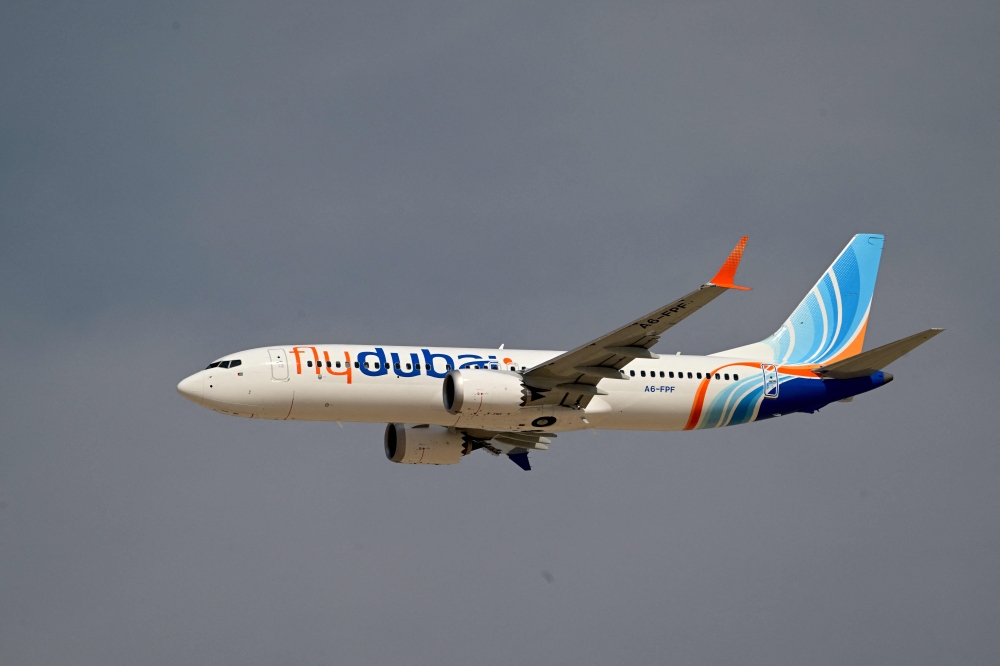

Dubai’s aviation sector received a significant boost this week as flydubai announced a substantial order for 75 Boeing 737 MAX 8 aircraft, valued at $13 billion. The deal, unveiled at the Dubai Airshow 2025, underscores the airline’s commitment to fleet expansion and positions it to meet growing passenger demand. This flydubai order comes on the heels of a landmark agreement for 150 Airbus planes, marking the carrier’s first venture with the European manufacturer.
The announcement, made on Wednesday, signals continued growth for Dubai’s state-owned airlines as they prepare for the opening of the world’s largest airport in 2032. Emirates, flydubai’s partner airline, also contributed to the flurry of activity, securing eight Airbus A350-900s worth $3.4 billion after previously ordering 65 Boeing 777Xs.
Dubai Airshow 2025: Flydubai Fleet Expansion
Flydubai’s decision to significantly increase its Boeing fleet reflects a broader trend of investment in the region’s aviation infrastructure. According to Sheikh Ahmed bin Saeed Al Maktoum, chairman of flydubai, proactive fleet planning is crucial for accommodating the anticipated rise in travel demand. The airline currently operates a fleet of over 90 Boeing 737 aircraft, and this new order will substantially increase its capacity.
The timing of the order is particularly noteworthy for Boeing, which has faced challenges in recent years due to safety concerns and production delays. This deal provides a welcome boost to the US manufacturer as it works to restore confidence in the 737 MAX series. The aircraft manufacturer is aiming to ramp up production to meet the growing demand from airlines worldwide.
Passenger Traffic and Airport Growth
The demand driving these fleet expansions is evident in Dubai International Airport’s recent performance. The airport reported a record quarter with 24.2 million passengers between July and September, a 1.9 percent increase. Year-to-date passenger traffic has reached 70.1 million, putting Dubai on track to exceed 95.2 million passengers for the year, according to Dubai Airports CEO Paul Griffiths.
Griffiths attributes this growth to Dubai’s increasing appeal as a destination for both tourism and residency. The airport serves as a vital connecting hub between Europe, Asia, and Africa, maintaining its position as the world’s busiest airport for international passengers for the past 11 years. This strategic location and the city’s attractiveness are key factors in the sustained growth of air travel through Dubai.
Meanwhile, the long-term vision for Dubai’s aviation capacity centers around the new airport slated to open in 2032. This ambitious project aims to establish Dubai as a global aviation leader, capable of handling an even greater volume of passengers and cargo. The expansion of both Emirates and flydubai fleets is directly aligned with this future infrastructure development.
The Airbus order represents a diversification of flydubai’s fleet, potentially introducing new route possibilities and competitive dynamics. This move also signals a willingness to explore partnerships with multiple aircraft manufacturers, enhancing the airline’s negotiating position and mitigating supply chain risks. The airline’s expansion strategy is focused on serving regional and international destinations, offering affordable travel options.
Looking ahead, the next step involves finalizing the details of both the Boeing and Airbus agreements, including delivery schedules and financing arrangements. Industry analysts will be closely watching how flydubai integrates the new aircraft into its existing fleet and how these additions impact its operational efficiency and route network. The successful execution of these fleet expansion plans will be critical to Dubai’s continued success as a global aviation hub.
Boeing and Airbus are expected to continue competing for orders in the region as airlines seek to modernize and expand their fleets. Flydubai’s future growth will depend on navigating potential economic headwinds and maintaining its competitive edge in the low-cost carrier market.