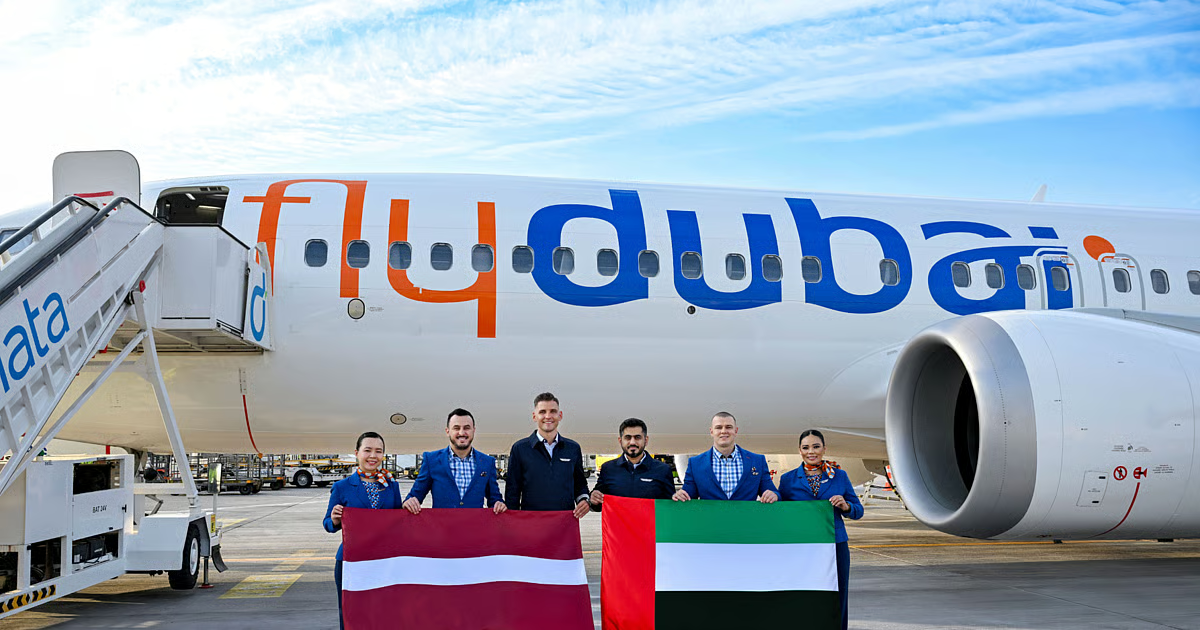

flydubai has announced a new direct service to Riga, Latvia, commencing on September 20, 2024. The route expands the airline’s European network and aims to increase flydubai flights to underserved markets. Jeyhun Efendi, Divisional Senior Vice President of Commercial Operations and E-commerce at flydubai, highlighted the airline’s commitment to connectivity and customer experience with this new addition.
The Dubai-based carrier will operate the Riga route four times weekly, utilizing its Boeing 737 MAX 8 aircraft. This marks flydubai’s first entry into the Latvian market, offering passengers a direct connection between the United Arab Emirates and the Baltic region. The new service is expected to cater to both leisure and business travelers, boosting tourism and trade between the two countries.
Expanding flydubai’s European Network
This expansion is part of flydubai’s broader strategy to grow its presence in Europe, a key market for the airline. According to the airline, the decision to launch flydubai flights to Riga was driven by identified demand and the potential for economic growth. The airline currently serves over 28 cities in Europe, including popular destinations like Istanbul, Naples, and Athens.
Strategic Importance of Riga
Latvia, and Riga specifically, presents a unique opportunity for flydubai. The country’s strategic location within the Baltic states makes it a potential hub for onward connections to other Scandinavian and Eastern European cities. Additionally, Latvia’s growing economy and increasing tourism sector contribute to the viability of the new route.
The Latvian Ministry of Transport welcomed the announcement, stating that the new route will enhance Riga’s connectivity and contribute to the country’s economic development. The ministry anticipates increased passenger numbers at Riga International Airport as a result of the service. This aligns with broader efforts to position Riga as a significant transportation hub in Northern Europe.
However, the success of the route will depend on factors such as passenger load factors and competition from other airlines operating in the region. Existing carriers like airBaltic and Ryanair already serve the Dubai-Riga market, offering passengers alternative options. flydubai will need to differentiate itself through competitive pricing and service quality.
The airline’s investment in its fleet, including the Boeing 737 MAX 8, is intended to support this differentiation. These aircraft offer improved fuel efficiency and passenger comfort, contributing to a more sustainable and enjoyable travel experience. flydubai has been steadily expanding its fleet in recent years to accommodate its growing network.
Meanwhile, the introduction of the Riga route also reflects a broader trend of increased air travel between the Middle East and Europe. Demand for travel in both directions has been steadily rising, driven by factors such as economic growth, tourism, and cultural exchange. This trend is expected to continue in the coming years.
In contrast to some airlines facing capacity constraints, flydubai has been proactively adding new routes and increasing frequencies on existing ones. This strategy allows the airline to capitalize on growing demand and strengthen its position in the market. The airline’s business model focuses on providing affordable fares and convenient connections.
The new service also offers potential benefits for businesses in both Dubai and Latvia. Increased connectivity can facilitate trade and investment, fostering economic cooperation between the two regions. The route is expected to support the growth of various sectors, including tourism, logistics, and finance. Air travel between the two regions is expected to increase.
The launch of flydubai flights to Riga is also expected to stimulate demand for connecting flights through Dubai International Airport (DXB). DXB is a major global hub, offering passengers access to a vast network of destinations around the world. Passengers traveling to and from Riga can leverage DXB’s connectivity to reach a wider range of destinations.
Looking ahead, flydubai will continue to monitor the performance of the Riga route and assess opportunities for further expansion in Europe. The airline has not yet announced any plans for additional routes in the region, but it remains open to exploring new possibilities. The airline’s future network development will be guided by market demand and strategic considerations. International routes are a key focus for the airline.
The airline is expected to evaluate passenger numbers and feedback in the initial months of operation to determine the long-term viability of the route. Any adjustments to the schedule or frequency of flights will be based on this assessment. The airline will also continue to work with Latvian authorities to promote the route and attract passengers. A formal review of the route’s performance is anticipated in early 2025.