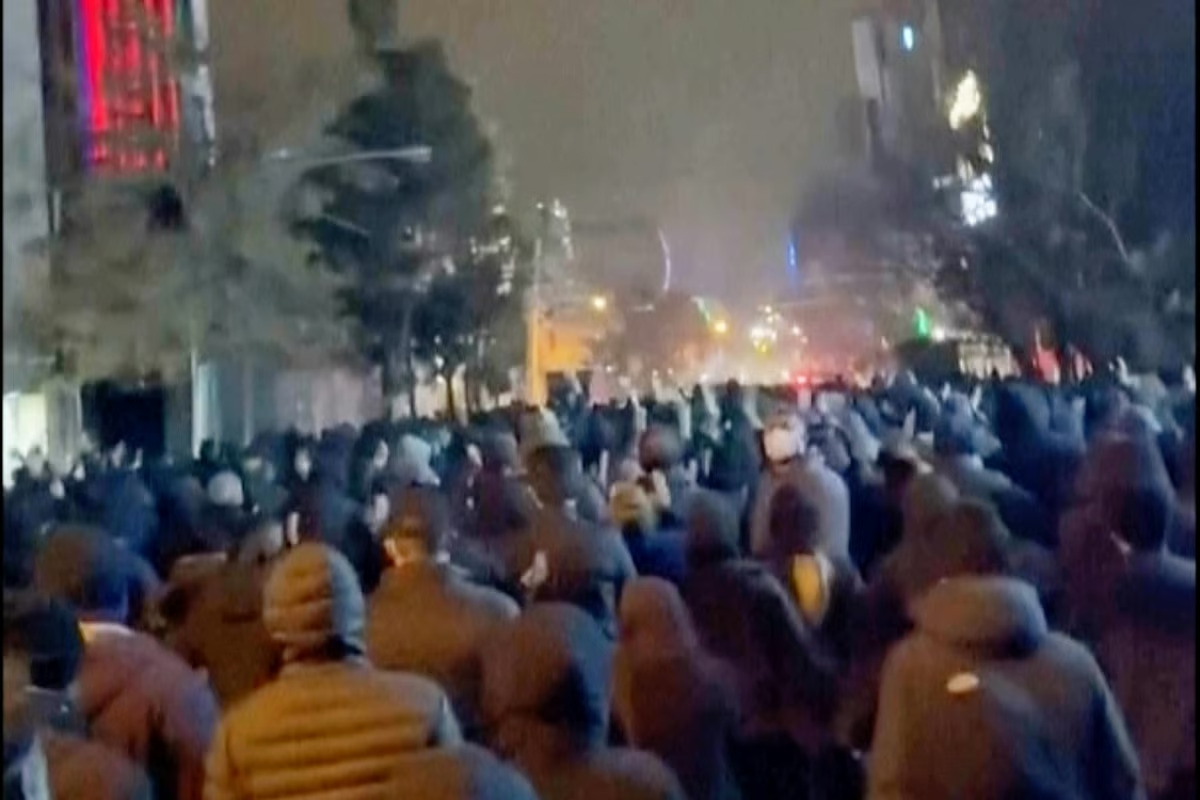

European airlines are significantly reducing flights to Iran amid escalating political unrest and security concerns. The recent wave of airline cancellations to Iran follows weeks of anti-government protests and increasing regional instability, impacting travel routes and prompting precautionary measures from major carriers. Austrian Airlines became the latest to suspend services, joining a growing number of European airlines limiting operations in the country.
The pullback began in late December as demonstrations erupted across Iran, initially sparked by economic grievances but quickly evolving into broader calls for political change. These disruptions are occurring alongside ongoing tensions in the region, including the conflict in Gaza, further complicating the operating environment for international carriers. The situation is fluid, and airlines are prioritizing passenger and crew safety.
Why Airlines are Cancelling Flights to Iran
The protests in Iran began following a decline in the value of the Iranian rial and rising inflation, according to reports from Reuters. What started as economic demonstrations quickly spread nationwide, with protesters voicing opposition to the country’s clerical rule. The unrest has led to clashes with security forces and widespread disruptions to daily life.
Economic and Political Factors
The economic pressures fueling the protests are significant. Years of sanctions and mismanagement have contributed to a struggling economy, impacting the livelihoods of many Iranians. This economic hardship, combined with perceived political restrictions, has created a volatile environment.
However, this isn’t an isolated incident. Airlines have frequently adjusted flight paths and schedules in response to geopolitical events in the Middle East over the past several years. Western sanctions, diplomatic tensions, and security risks related to regional conflicts have all played a role in these decisions. The current situation builds on a history of instability affecting air travel to Iran.
Security Concerns and Regional Instability
Austrian Airlines cited “a review of the current security situation” as the reason for suspending flights from Vienna, as reported by Gulf News. The airline spokesperson added that developments across the region are being closely monitored. This reflects a broader trend among European carriers to err on the side of caution when faced with potential security threats.
Additionally, the ongoing conflict in Gaza has heightened anxieties about regional escalation. Airlines are particularly sensitive to potential risks to civilian aircraft operating in or near conflict zones. This has led to rerouting of flights and, in some cases, complete suspension of services to affected areas.
Impact on Air Travel and Connectivity
Currently, Turkish carriers are the primary airlines continuing to serve Iran, offering a crucial link for international travelers. Beyond Turkish airlines, Austrian Airlines was the last remaining European carrier with direct flights to the country before its recent suspension. The reduction in European flights significantly limits connectivity for passengers traveling between Iran and Europe.
The cancellations are expected to particularly affect routes connecting Iran with major hubs like Dubai, Doha, and Istanbul. These cities serve as key transit points for passengers traveling to and from Iran. Further disruptions to these routes are possible as the situation evolves. Flight cancellations are likely to continue as long as the protests persist and the security situation remains uncertain.
The impact extends beyond passenger travel. Reduced air cargo capacity could also affect trade and the movement of essential goods. Businesses operating in Iran may face challenges in transporting goods and personnel, potentially impacting economic activity.
Alternative Routes and Increased Demand
With fewer direct flights available, passengers are likely to seek alternative routes, potentially increasing demand for flights through Turkey and other regional hubs. This could lead to higher fares and longer travel times. Travel agencies are reporting increased inquiries about alternative travel arrangements.
Meanwhile, airlines are closely monitoring the situation and assessing the potential for resuming flights. The decision to reinstate services will depend on a clear de-escalation of the protests and a demonstrable improvement in the security environment. International flights to Iran are contingent on a stable political climate.
Looking ahead, airlines are expected to maintain a cautious approach in the coming days and weeks. The situation in Iran remains highly volatile, and further cancellations or schedule changes are possible. The next key development to watch will be any indication of a resolution to the protests or a significant shift in the political landscape. The duration of these disruptions remains uncertain, and airlines will continue to prioritize the safety of their passengers and crew.