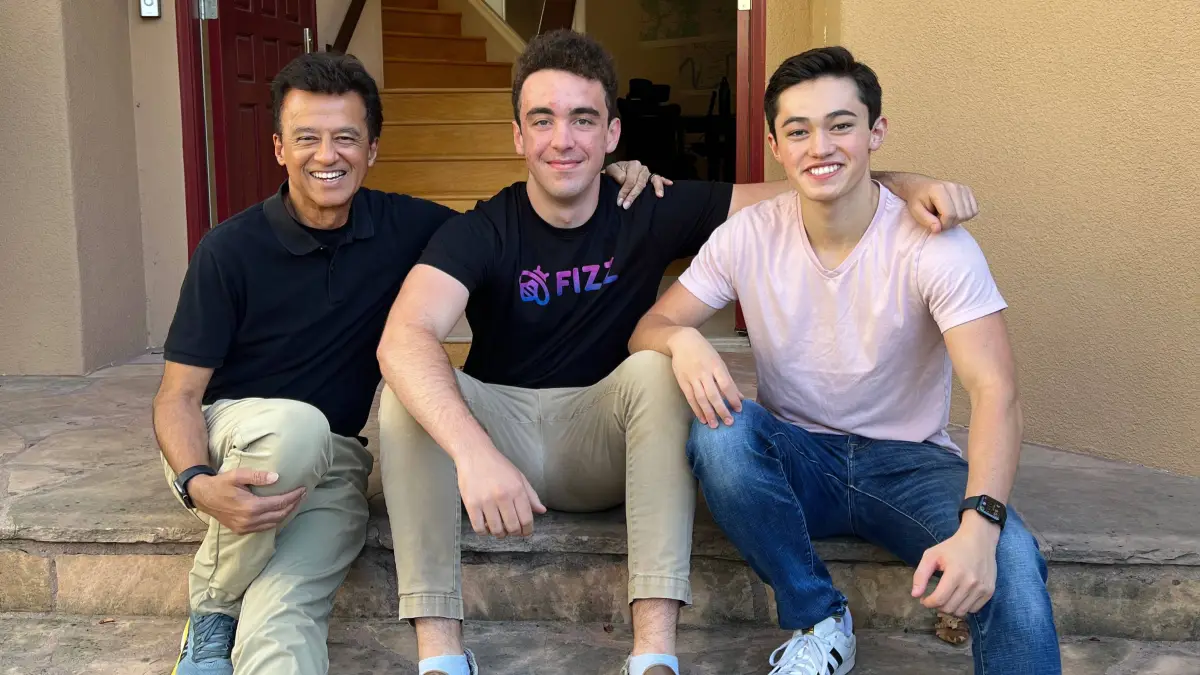

A new social media platform, Fizz, is rapidly gaining traction among college students across the United States, offering a stark contrast to the polished content of established giants like Instagram and TikTok. The app, built around anonymous posting and hyperlocal conversations, has quickly become the dominant platform on many campuses. Rooted in the frustrations of a pandemic-era group chat, Fizz presents itself as a space for the “99% of life” that doesn’t typically make it to social media highlight reels.
Fizz’s rise challenges the established social media landscape, particularly its hold on the Gen Z demographic. Co-founder and CEO Teddy Solomon believes major platforms have evolved into pure entertainment, creating an opening for a more authentic and community-focused alternative. The company is currently focused on college campuses but hinted at broader expansion plans.
Why Gen Z is Gravitating Towards Fizz
Solomon argues that Instagram and TikTok were originally social platforms but have increasingly become consumed by content creation and entertainment. This shift, he believes, alienated users seeking genuine connection and uncurated interactions. The pressure to present a perfect life online, coupled with algorithm-driven feeds, has led to a sense of performativity rather than true social engagement.
Fizz directly addresses this perceived problem with a hybrid model of anonymity and identity. Users are initially identified by their school affiliation but post anonymously within their specific campus community. This encourages open discussion and reduces the pressure for self-promotion. Additionally, the platform’s hyperlocal focus allows students to connect with others who share their immediate environment and experiences.
The Appeal of Anonymous Discussion
While anonymity can raise concerns about abuse, Fizz employs a multi-layered moderation system. The company leverages approximately 7,000 volunteer student moderators alongside artificial intelligence (AI) tools to monitor content and enforce community guidelines. This combined approach, according to Solomon, is crucial for maintaining a safe and constructive environment.
The platform’s success is evidenced by its rate of adoption, now considered “the biggest college social app since Facebook.” This growth has sparked interest in how the platform can scale and maintain its core values as it expands.
Fizz’s Expansion Strategy and Future Outlook
Currently focused on the college demographic, Fizz is contemplating a pathway to broader appeal. Solomon has discussed a vision of “Global Fizz”, signaling a potential expansion beyond university settings. However, the details of this expansion remain vague, and the company hasn’t outlined a concrete timeline or strategy. The challenge will be replicating the intense sense of community found on campuses in more diverse and geographically dispersed populations.
One intriguing aspect of Fizz’s development is its location as a company. Solomon has publicly advocated for building a consumer-facing business in New York City, rather than Silicon Valley. He contends that New York’s diverse population, cultural vibrancy, and access to talent offer advantages for creating products that resonate with a wider audience. This stands in contrast to the common narrative of tech hubs being centered on the West Coast.
The broader social networking market is dominated by Meta (Facebook, Instagram, Threads) and ByteDance (TikTok). These companies possess enormous resources and established user bases. Fizz’s challenge lies in carving out a sustainable niche and differentiating itself sufficiently to attract and retain a large-scale audience. The use of social media requires adaptation to changing habits, and that’s where Fizz is trying to take hold.
Competition in the social networking sphere is continuously increasing, with new platforms and features emerging regularly. The success of Fizz will depend on its ability to maintain its authenticity, effectively manage its moderation system, and successfully navigate the complexities of scaling a community-based platform. The company is also exploring potential monetization strategies, which could impact user experience and platform dynamics.
Looking ahead, the next few months will be critical for Fizz. The company will need to demonstrate its ability to manage growth, refine its moderation processes, and articulate a clear vision for its future beyond the college campus. Observers will be watching closely to see if Fizz can translate its early success into a lasting presence in the competitive social media landscape and if its unique approach to community building can resonate with a broader audience. The company’s ability to balance anonymity with safety will also be a key factor in its long-term viability.