


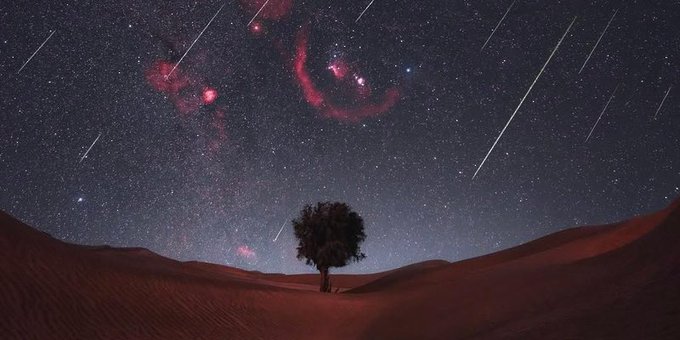

Oman is poised to become a significant destination for a growing niche in tourism: astro-tourism. The Omani Astronomical Society has recently published its second research paper, a landmark study marking the first comprehensive analysis of this sector within the Sultanate. Published in the International Journal of Hospitality & Tourism Management, the paper details the potential for Oman to capitalize on its uniquely dark skies and rich astronomical heritage, attracting both leisure travelers and scientific researchers.
The Rise of Astro-Tourism in Oman
The study, titled “Astronomical Tourism in the Sultanate of Oman,” was led by Dr. Isshaq Yahya Al Shuaili and Ali Amer Al Sheibani from the Society’s Research Department. It identifies astro-tourism as encompassing recreational and educational activities centered around the universe and celestial events. This isn’t simply about stargazing; it’s about fostering scientific understanding, developing local expertise, and creating economic opportunities, particularly in areas often overlooked by mainstream tourism.
Exceptional Conditions for Stargazing
Oman boasts several key advantages that make it an ideal location for astro-tourism. Remote regions like Jabal Shams, Al Sharqiyah Sands, and the Empty Quarter experience exceptionally dark skies due to minimal light pollution. Coupled with a dry climate and a high number of clear nights annually, these areas provide superb conditions for astronomical observation. The strategic location of Oman, at the southeastern tip of the Arabian Peninsula, further enhances its appeal with diverse terrain ranging from deserts to mountains.
Leveraging Oman’s Unique Assets
The research goes beyond simply identifying favorable conditions. It emphasizes Oman’s deep-rooted connection to astronomy, woven into its cultural fabric. This includes the historical use of celestial navigation by Omani sailors, the integration of stars into the ancient Aflaj irrigation system as agricultural calendars, and the preservation of oral star maps within desert communities. Even the architecture of Oman’s castles and forts reflects an understanding of astronomical alignments.
Dr. Isshaq Yahya Al Shuaili, Chairman of the Omani Astronomical Society, highlighted the significance of the study, stating it’s a crucial first step in positioning Oman on the global astro-tourism map. He pointed to the potential for establishing world-class astronomical observatories in governorates like Al Wusta and Dhofar, building on existing strengths.
Economic and Sustainable Development Benefits
The Omani Astronomical Society’s research clearly demonstrates the economic benefits of developing astro-tourism. It can generate job opportunities for Omani youth, particularly in rural areas, and support sustainable development initiatives. Furthermore, it promotes scientific literacy and encourages a greater appreciation for the natural environment. Protecting the nighttime environment from light pollution is a key component of this sustainable approach.
The study also draws parallels with successful international models, such as the Coquimbo region in Chile, a globally recognized hub for astronomical research and tourism. It proposes that Oman could benefit from expanding its Dark Sky Reserves and establishing Radio Quiet Zones (RQZs) to further enhance its scientific and tourism value.
Recent Astronomical Events in Oman
Oman has already begun to attract attention within the astronomical community. The AMADEE-18 Mars mission simulation, held in the Marmul desert in Dhofar Governorate, showcased the region’s unique geological features. More recently, the annular solar eclipse in December 2020 drew over 300 observers from 12 countries to Ras Al Ruways, demonstrating the potential for attracting international events and visitors. These events are a testament to the growing interest in Oman as a destination for space tourism and related activities.
Building on Past Successes
This latest publication builds upon the Omani Astronomical Society’s previous work, including their first research paper in 2025 documenting aurora observations from Jabal Shams – a groundbreaking sighting marking the first confirmed aurora viewing in the Middle East. Established in 2008, the Society has consistently worked to promote scientific research and disseminate knowledge about astronomy and space sciences.
Alignment with Oman Vision 2040
The Omani Astronomical Society’s efforts are firmly aligned with Oman Vision 2040, a national strategy focused on diversifying the economy and promoting sustainable development. Developing eco-tourism and knowledge-based industries, like astro-tourism, are key priorities within this vision. The study provides a valuable roadmap for realizing this potential, offering practical recommendations for policymakers and tourism operators.
In conclusion, the Omani Astronomical Society’s research paper provides compelling evidence for the viability and benefits of astro-tourism in the Sultanate. By leveraging its natural advantages, rich cultural heritage, and commitment to scientific advancement, Oman is well-positioned to become a leading destination for stargazers, researchers, and anyone fascinated by the wonders of the universe. Further investment in infrastructure, education, and conservation efforts will be crucial to unlocking the full potential of this exciting new sector. To learn more about the Omani Astronomical Society and their initiatives, visit their official website and stay updated on their future research endeavors.