
:
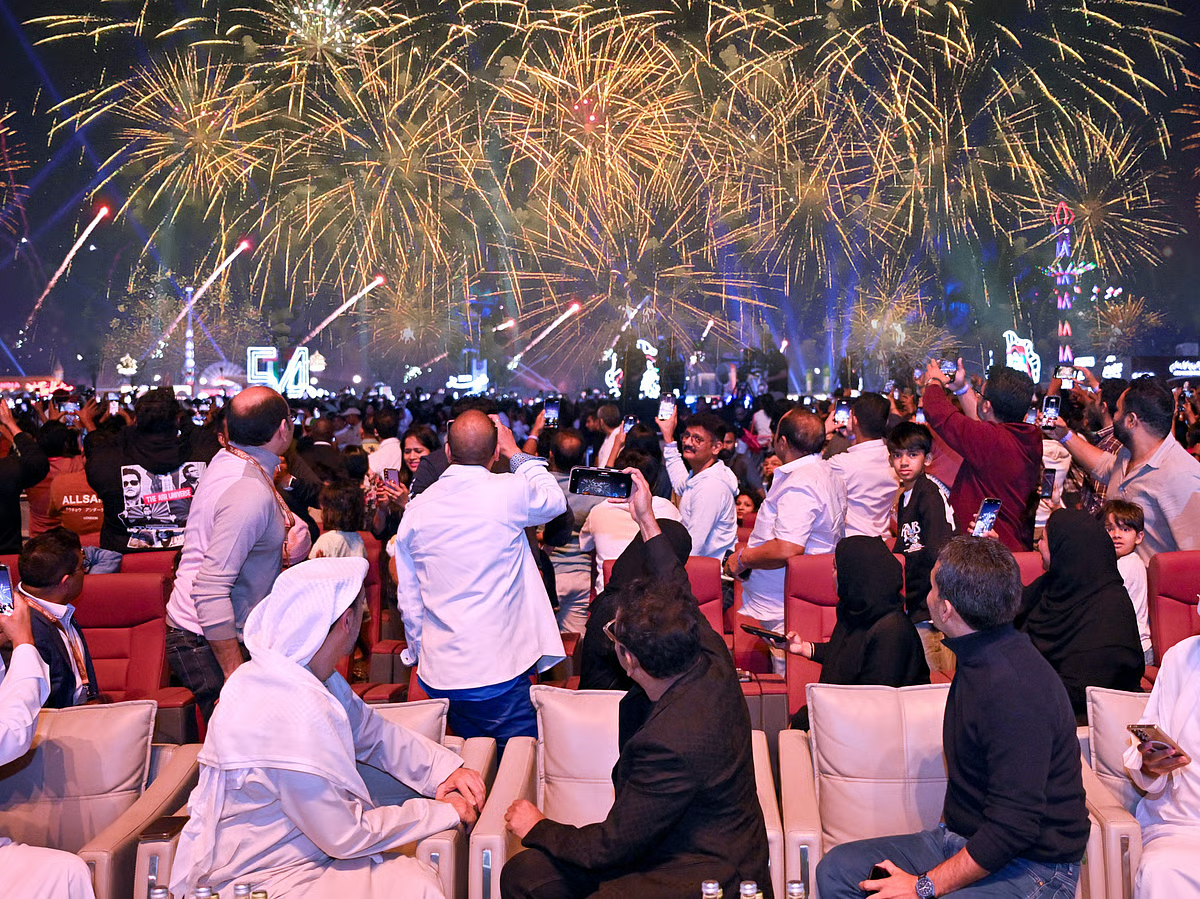
The United Arab Emirates (UAE) marked its National Day on December 2nd with a spectacular display of celebrations, culminating in the launch of a patriotic song composed by Academy Award-winning musician A.R. Rahman. Fireworks and live concerts accompanied the release of the N-Day song across the country, fostering a sense of national unity and pride. Events took place in all seven emirates, drawing both citizens and residents.
The celebrations began early in the day with flag-raising ceremonies and cultural performances. The official launch of the A.R. Rahman composition occurred during televised broadcasts and concert events held in major cities like Abu Dhabi, Dubai, and Sharjah. The song is intended to serve as a modern anthem reflecting the UAE’s values and aspirations. A significant social media campaign also supported the release, encouraging widespread sharing and engagement with the music.
A.R. Rahman’s N-Day Song: A Symbol of Modern UAE Identity
The commissioning of A.R. Rahman, a globally renowned artist with Indian origins, to compose the UAE’s National Day song signals a deliberate effort by the nation to embrace multiculturalism and project a forward-thinking image. This approach aligns with the UAE’s ongoing push for increased tourism and a diversified economy, aiming to attract talent and investment from across the globe. The selection of Rahman also acknowledges the substantial Indian expatriate community within the UAE, fostering a sense of inclusivity.
The Cultural Significance of the Celebrations
National Day in the UAE commemorates the formal unification of the six Trucial States in 1971, followed by the accession of Ras Al Khaimah in 1972. This historical event marked the establishment of the UAE as an independent nation and is deeply ingrained in the national consciousness. Celebrations traditionally involve a display of Emirati heritage, including traditional music, dance, and crafts.
This year’s performances included traditional Al Ayala dances, accompanied by rhythmic drumming and poetry that narrates the UAE’s history and celebrates its leadership. Additionally, displays of horsemanship, a long-standing tradition in Emirati culture, were prominently featured. These cultural expressions are intentionally designed to engage younger generations and instill a greater understanding of their national roots.
Concerts and Fireworks Displays
Large-scale concerts were a central component of the UAE’s National Day festivities. The events featured not only A.R. Rahman but also a diverse lineup of regional and international artists. These concerts acted as key platforms for the unveiling of the N-Day song to a very large audience.
Spectacular fireworks displays lit up the skies across the UAE, with particularly impressive shows taking place at iconic landmarks like the Burj Khalifa in Dubai and the Sheikh Zayed Grand Mosque in Abu Dhabi. The scale and artistry of the displays were carefully curated to reflect the UAE’s ambition and progress. Authorities prioritized public safety during these events, deploying security personnel and managing crowd control effectively.
The timing of the song launch alongside the fireworks shows maximized its reach, with broadcasts and live streams reaching audiences both within the country and abroad. The event boosted tourism figures, according to initial reports from the Dubai Tourism Authority, with a noticeable increase in visitors throughout the weekend.
The UAE’s Broader National Agenda
The National Day celebrations, including the debut of the N-Day song, are intrinsically linked to the UAE’s broader strategic goals. The country is currently focusing on its “UAE Centennial 2071” plan, a long-term vision for sustainable development and national happiness. This initiative aims to transform the UAE into a leading global nation.
Economic diversification remains a key priority, and the government is actively investing in sectors such as technology, renewable energy, and space exploration. The recent announcement of increased investment in artificial intelligence, for example, showcases the country’s commitment to innovation. These investments aim to create new economic opportunities and reduce reliance on oil revenue.
Furthermore, the UAE continues to play an increasingly prominent role in regional and international affairs, positioning itself as a mediator and a proponent of stability. Efforts to improve international relations and foster a positive global image are consistent themes in the UAE’s national narrative. The country also recently hosted the COP28 climate summit, furthering demonstrated commitment to environmental leadership. This global spotlight provided an opportunity to highlight national achievements and underscore its sustainability goals.
However, the UAE also faces challenges, including regional geopolitical instability and the need to address labor rights concerns. International human rights organizations continue to monitor the situation and advocate for improved protections for workers. The government has implemented some reforms, but additional measures may be necessary to address these issues comprehensively.
The embrace of multiculturalism, demonstrated by the choice of A.R. Rahman for the patriotic song, is also a strategic response to demographic shifts, with Emirati citizens constituting a minority of the population. This highlights the necessity of fostering national identity that encompasses the diverse range of communities residing within the UAE. The government is actively promoting programs designed to enhance social cohesion and instill a shared sense of belonging.
Looking ahead, the continued success of the N-Day song will likely be measured by its longevity and its impact on national sentiment. The Ministry of Culture and Youth is expected to analyze data from the social media campaign to assess its effectiveness in reaching target audiences. Major events are planned around the 53rd National Day; these will likely build upon the themes established this year, with a continued emphasis on national identity and cultural heritage. Whether the song achieves enduring popularity remains to be seen, but its initial reception indicates a successful contribution to this year’s celebrations and the broader national agenda.
The long-term implications of the “UAE Centennial 2071” plan will be a key area to watch, as the country strives to achieve its ambitious goals for sustainable development and global leadership. Ongoing assessment of the nation’s economic diversification efforts and progress on social reforms will be crucial in evaluating its overall trajectory.