


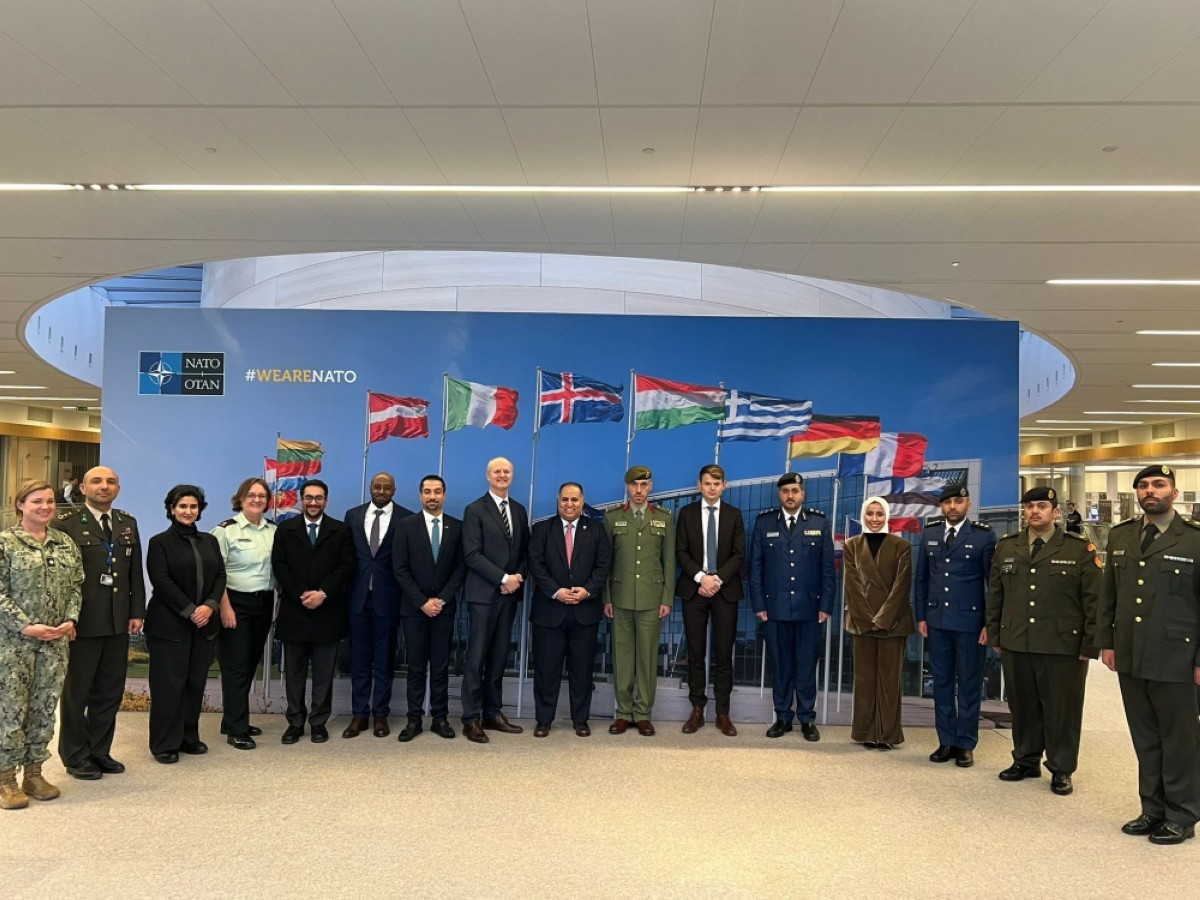

Kuwait continues to strengthen its international partnerships in the realm of emergency preparedness and response, demonstrated by the recent participation of the Kuwait Fire Force (KFF) and the Kuwait National Guard in a key NATO event. This week’s annual meeting of the NATO Regional Center and the Istanbul Cooperation Initiative, held in Brussels, provided a crucial platform for reviewing collaborative efforts and charting a course for enhanced emergency preparedness in the 2026-2027 season. The involvement underscores Kuwait’s commitment to adopting global best practices in safeguarding its citizens and infrastructure.
Kuwait Enhances Emergency Preparedness Through NATO Collaboration
The annual gathering in Brussels brought together representatives from both NATO member states and partner countries, fostering a vital exchange of knowledge and strategies. Kuwait’s delegation, comprised of personnel from the KFF and the National Guard, actively contributed to discussions focused on bolstering civil and military responses to a wide range of potential crises. This participation is a key component of Kuwait’s broader national security strategy, recognizing that effective disaster management requires international cooperation.
Focus on Technological Advancement in Fire Safety
Representing the Kuwait Fire Force, Colonel Mohammad Abdulmohsen Abbas and Captain Salem Abdulkhaleq Abdulmajid emphasized the critical role of specialized training programs, particularly those centered around cutting-edge technologies. They highlighted the growing importance of artificial intelligence (AI) in modern firefighting and emergency response.
According to a KFF statement, AI applications are becoming central to predicting incidents before they occur, meticulously analyzing and monitoring data streams, and ultimately, supporting faster and more informed decision-making. The KFF stressed the necessity of developing “smart systems” that can significantly improve operational efficiency and reduce response times to emergencies, potentially saving lives and minimizing damage. This includes exploring AI-powered tools for resource allocation, predictive modeling of fire spread, and enhanced situational awareness for first responders.
Strengthening Coordination and Institutional Readiness
Meanwhile, Colonel Ismail Khalil represented the Kuwait National Guard at the meeting. Discussions centered on programs designed to enhance coordination and cooperation between participating organizations, aligning with established international standards. A core focus was placed on capacity building and ensuring robust institutional readiness to effectively handle complex emergencies.
This aspect of the collaboration is particularly important for Kuwait, given its strategic location and potential exposure to various threats, including natural disasters and regional instability. The National Guard’s participation signals a commitment to integrating best practices into its operational framework and strengthening its ability to support civilian authorities during times of crisis.
The Importance of the NATO Regional Center
The NATO Regional Center serves as a vital hub for partner countries seeking to improve their disaster resilience. It facilitates the sharing of expertise, lessons learned, and innovative approaches to emergency management. The Istanbul Cooperation Initiative, under which Kuwait participates, is a NATO program designed to build stronger relationships with countries in the broader Middle East region.
This initiative provides opportunities for practical cooperation in areas such as counter-terrorism, disaster response, and security sector reform. The annual meeting allows participants to review the progress made under these programs and identify areas for future collaboration. It’s a proactive approach to security, focusing on prevention and mitigation rather than solely on reaction.
Benefits of International Cooperation for Kuwait
Kuwait’s active engagement in these international forums offers several key benefits. Firstly, it provides access to the latest advancements in emergency response technology and training methodologies. Secondly, it fosters stronger relationships with key allies and partners, enhancing Kuwait’s overall security posture. Thirdly, it allows Kuwait to contribute its own expertise and experiences to the broader international community, solidifying its role as a responsible and proactive regional actor.
The exchange of best practices is invaluable, allowing Kuwait to adapt successful strategies from other nations to its own unique context. This collaborative spirit is essential in addressing the increasingly complex challenges of modern emergency management.
Looking Ahead to 2026-2027
The Brussels meeting concluded with a detailed discussion of plans for the 2026-2027 season. These plans will likely focus on further developing specialized training programs, enhancing interoperability between different agencies, and exploring the potential of emerging technologies like AI and data analytics to improve disaster risk reduction.
Kuwait’s commitment to emergency preparedness remains steadfast, and its continued participation in initiatives like the NATO Regional Center and the Istanbul Cooperation Initiative will undoubtedly strengthen its ability to protect its citizens and infrastructure in the face of future challenges. The insights gained and partnerships forged during this meeting will be instrumental in shaping Kuwait’s emergency response capabilities for years to come.
This ongoing collaboration highlights the importance of a proactive and internationally-focused approach to national security and disaster management. It’s a testament to Kuwait’s dedication to building a more resilient and secure future for its people.