
Finland is moving to bolster the security of its undersea cables, announcing the establishment of a new maritime surveillance mechanism in cooperation with other Baltic Sea nations. This initiative, revealed by officials on Monday, comes amid growing concerns over potential sabotage to critical infrastructure following several incidents linked to Russia’s “shadow fleet.” The new system will focus on information sharing and enhanced surveillance capabilities to protect vital data and telecommunications links.
The surveillance mechanism will involve a network of hubs across the Baltic Sea region, facilitating the exchange of information, risk analyses, threat assessments, and real-time data. According to Mikko Hirvi, head of maritime safety at the Finnish Border Guard, existing border guard structures will be utilized to avoid the need for new facilities. This development is part of a broader European Commission plan to strengthen the security of data and telecom infrastructure.
Increased Focus on Undersea Cable Security
The move to enhance surveillance reflects a heightened awareness of vulnerabilities in undersea infrastructure. Several incidents in the Baltic Sea have raised suspicions of deliberate damage caused by vessels associated with Russia’s shadow fleet – a collection of aging oil tankers used to circumvent international sanctions imposed after the 2022 invasion of Ukraine. These vessels, while used for oil transport, have also sparked environmental concerns due to their age and potentially inadequate insurance coverage.
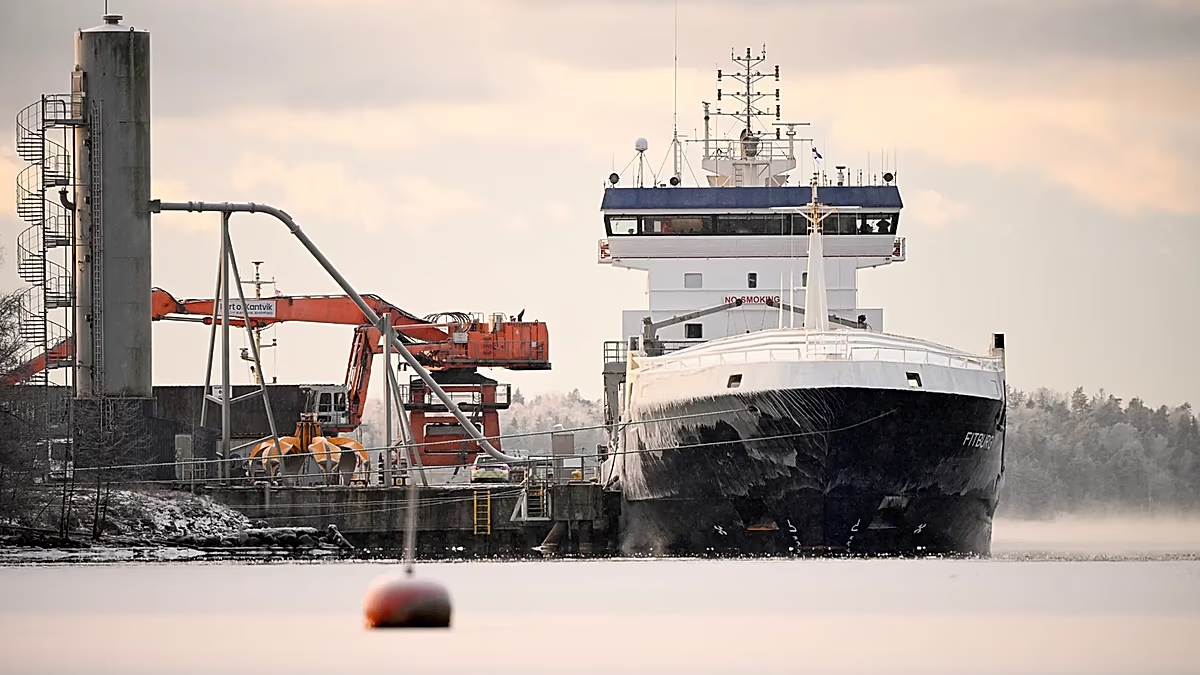
Just this past New Year’s Eve, Finland seized a cargo ship suspected of damaging a telecommunications cable connecting Helsinki and Tallinn. Hirvi indicated that authorities anticipate further incidents, citing an “unusually large amount of damage to critical subsea infrastructure” in recent years. The number of shadow fleet vessels operating in the Baltic Sea remains consistently high, averaging around 45 per week, with a significant portion navigating the Gulf of Finland and carrying Russian oil.
The Shadow Fleet and Potential Risks
The “shadow fleet” has become a focal point of concern for European nations, not only for the potential damage to critical infrastructure but also for its implications for sanctions evasion. These vessels operate with opaque ownership structures, making it difficult to track their activities and enforce compliance with international regulations. The European Union has been actively working to identify and sanction entities involved in supporting the shadow fleet, but challenges remain.
Part of a Wider Hybrid Warfare Context
Many analysts and political leaders believe the suspected cable sabotage is a component of a broader hybrid warfare strategy employed by Moscow against Western countries. This assessment is reinforced by a recent surge in unidentified drone activity within NATO airspace last September, prompting discussions about air defense capabilities.
In response to these escalating threats, European leaders agreed to develop a “drone wall” along their borders to improve detection, tracking, and interception of unauthorized drones. NATO subsequently deployed a US anti-drone system to its eastern flank in November. Following a breach of Polish airspace, NATO Secretary General Mark Rutte announced the formation of the Eastern Sentry program, designed to deter further Russian incursions.
These incidents have prompted debate about NATO’s preparedness to counter potential threats from Russia, with some officials suggesting Moscow is testing the alliance’s response. The Kremlin, however, has consistently denied any involvement in the drone flights, dismissing allegations as “unfounded.”
The focus on protecting maritime infrastructure extends beyond cables, encompassing pipelines and other essential systems. This increased vigilance is a direct result of geopolitical tensions and the recognition that these assets are vulnerable to both physical and cyber attacks.
Looking ahead, the success of Finland’s new surveillance mechanism will depend on close collaboration with its Baltic Sea neighbors and the effective sharing of intelligence. Continued monitoring of the shadow fleet’s activities and proactive measures to enhance the resilience of undersea infrastructure will be crucial in mitigating future risks. Stakeholders should remain informed about developments in this evolving security landscape and advocate for robust protection of these vital assets.
Additional sources • AP, AFP