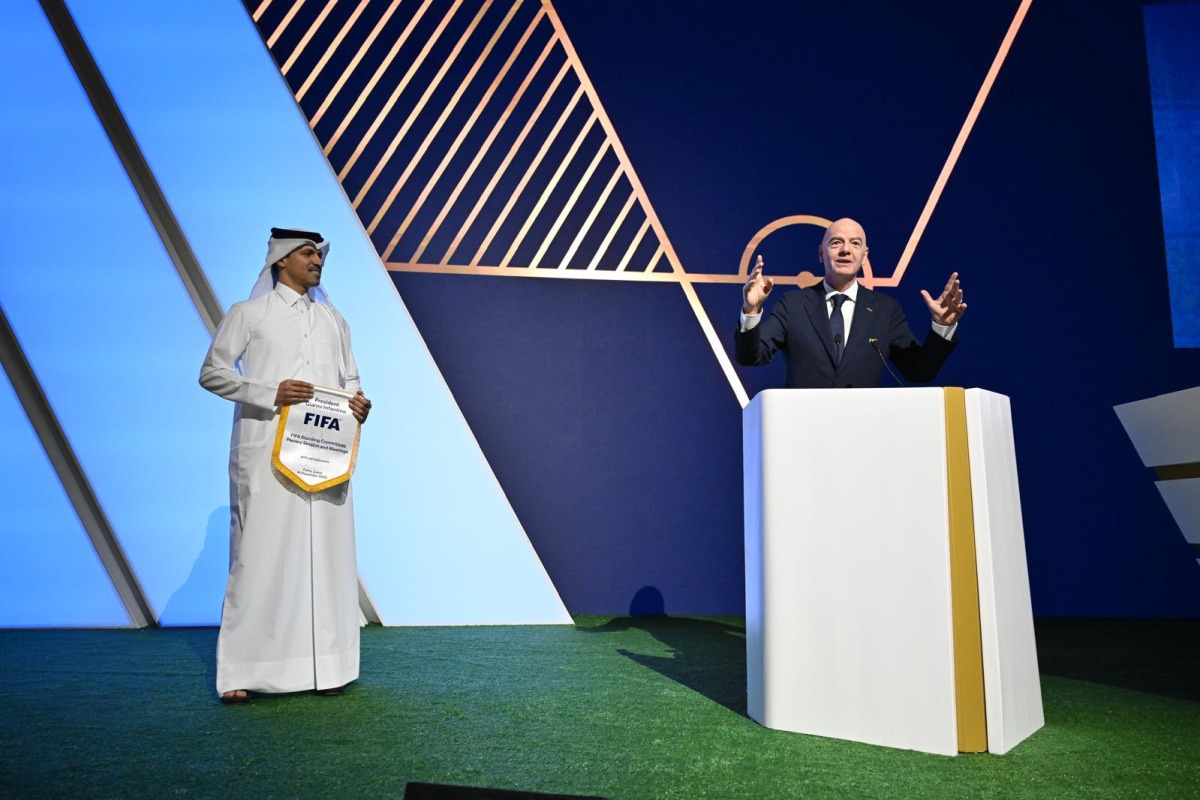

FIFA President Gianni Infantino recently expressed gratitude to the Qatar Football Association (QFA) for its successful hosting of the FIFA Standing Committees meetings in Doha. The event, a crucial annual gathering for international football governance, concluded yesterday with recognition of Qatar’s organizational efforts. This FIFA event underscores Qatar’s continued role as a significant hub for international sports.
The meetings, held in Doha, brought together representatives from numerous international football federations alongside Qatari officials. Infantino personally honored QFA President Jassim bin Rashid Al Buainain, acknowledging the association’s contribution to a productive and well-organized series of discussions. The event focused on key aspects of football administration and development.
Qatar’s Growing Role in FIFA Governance
Qatar’s hosting of the FIFA Standing Committees meetings is the latest example of the nation’s increasing involvement in global football governance. Following the successful staging of the 2022 FIFA World Cup, Qatar has positioned itself as a reliable partner for FIFA, capable of delivering high-profile events. This builds on previous investments in sports infrastructure and development programs.
The Importance of Standing Committees
FIFA Standing Committees are responsible for overseeing various aspects of the game, including finance, legal matters, refereeing, and development. These committees formulate proposals and recommendations that are then presented to the FIFA Council for approval. Their work is fundamental to the consistent and effective administration of football worldwide.
The meetings in Doha covered a wide range of topics, according to reports from attendees. Discussions likely included updates on financial fair play regulations, strategies for growing the game in emerging markets, and preparations for upcoming international tournaments. The focus was on ensuring the long-term sustainability and integrity of football.
However, the meetings also took place against a backdrop of ongoing scrutiny regarding FIFA’s governance structures. Reforms initiated in recent years aim to increase transparency and accountability within the organization. Qatar’s commitment to upholding these standards was implicitly acknowledged through the choice of Doha as a host city.
Meanwhile, the QFA has been actively involved in promoting football development within Qatar and the wider region. Initiatives include youth development programs, investment in training facilities, and support for women’s football. These efforts align with FIFA’s broader goals of expanding the game’s reach and inclusivity. The Qatar FA is also focused on improving the standard of domestic leagues.
In contrast to some previous concerns about logistical challenges in the region, the FIFA Standing Committees meetings proceeded smoothly, with participants praising the organization and facilities provided by the QFA. This positive feedback reinforces Qatar’s reputation as a capable host nation. The event also provided a platform for networking and collaboration among key stakeholders in the sports industry.
Additionally, the meetings offered an opportunity to discuss potential future collaborations between FIFA and Qatar. This could include joint initiatives aimed at promoting football development, supporting grassroots programs, or hosting future tournaments. The relationship between the two entities appears to be strengthening.
Looking ahead, FIFA’s next major event is the Club World Cup, scheduled for early 2025. The outcomes of the Doha meetings will likely inform preparations for this tournament and other upcoming competitions. Further details regarding specific decisions made during the Standing Committees meetings are expected to be released in FIFA’s official reports in the coming weeks. The long-term impact of these discussions on the future of global football remains to be seen.
FIFA official website provides further information on the Standing Committees and their work.