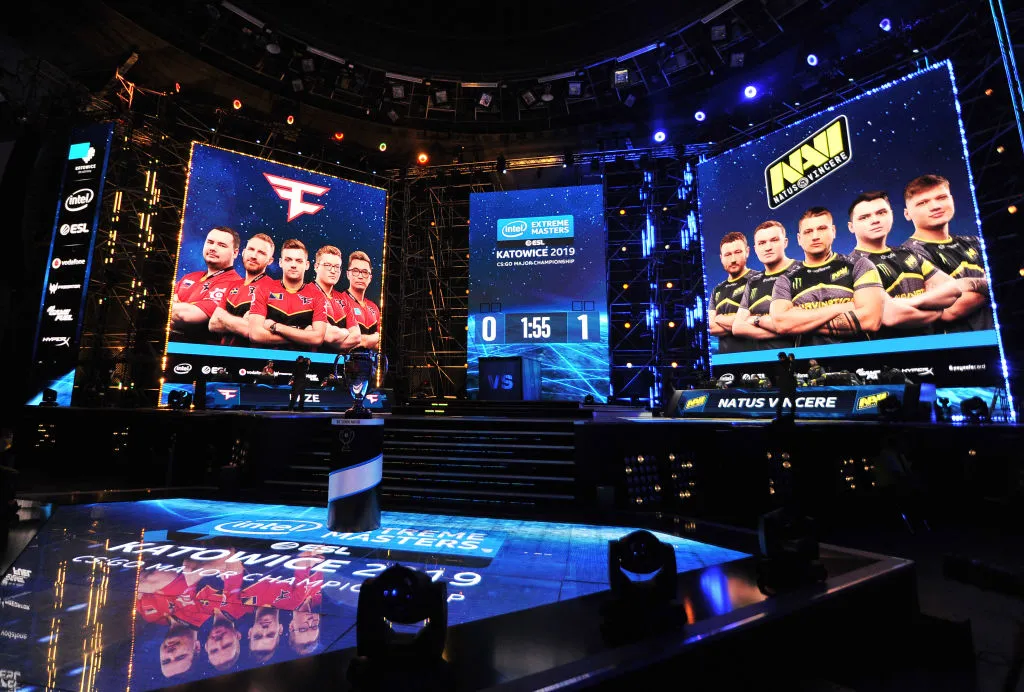

A mass exodus of key talent is shaking up the esports organization FaZe Clan, as six prominent influencers announced their departure this week. The group, consisting of Adapt, Jason, Ronaldo, Lacy, Rage, and Silky, cited unsuccessful contract negotiations with the company’s new leadership as the primary reason for leaving. This event marks another significant challenge for FaZe Clan following a turbulent period of financial restructuring and leadership changes.
The announcements, made via social media platform X, signal a complete turnover of the influencer roster previously highlighted on the FaZe Clan website. The departures come after another FaZe Clan member left in August, voicing concerns about a lack of creative control and feeling “like puppets” within the organization, according to a report by Bloomberg.
The Fallout from FaZe Clan’s Restructuring
The recent departures are directly linked to the acquisition of FaZe Clan by GameSquare in 2023 for $17 million, a substantial decrease from the company’s initial public offering valuation in 2022. This acquisition followed a period of financial difficulties for FaZe Clan, which had struggled to maintain profitability after going public. The change in ownership also brought new management, including investor HardScope and CEO Matt Kalish, with whom the influencers were reportedly negotiating for the past six months.
Adapt, a long-time member of FaZe Clan with 14 years of service, expressed his sadness over the decision on X, stating it was a necessary step despite the personal impact. This sentiment suggests a fundamental disagreement between the influencers and the new direction of the company. The influencers’ collective decision highlights the importance of contract terms and creative autonomy for content creators in the esports landscape.
Financial Concerns and Future Strategy
Matt Kalish, CEO of FaZe Clan, indicated to Bloomberg that the organization’s current financial model is “unsustainable.” He also downplayed the significance of the influencer departures, suggesting they were influenced by external factors and a misunderstanding of the company’s plans. Kalish intends to continue operating FaZe Clan with a new team of creators.
However, the loss of such a significant portion of its public face raises questions about the organization’s ability to maintain its brand recognition and audience engagement. FaZe Clan has historically relied heavily on its influencer network to drive viewership and sponsorship opportunities. The departure of these key figures could impact revenue streams and overall market position.
The situation underscores the evolving dynamics between esports organizations and their content creators. Influencers are increasingly recognizing their value and seeking contracts that reflect their contributions to the brand. This includes demands for greater control over content, revenue sharing, and long-term stability. The rise of independent streaming and content creation platforms provides influencers with alternative avenues for reaching their audiences, increasing their bargaining power.
Impact on the Esports Industry
This event isn’t isolated to FaZe Clan; it reflects broader trends within the esports industry. Many organizations are grappling with the challenge of balancing financial sustainability with the needs and expectations of their talent. The pressure to generate revenue and attract investors can sometimes lead to decisions that prioritize short-term gains over long-term relationships with creators.
The departure of these influencers could also have ripple effects on the broader gaming community. Each member of the departing group has a substantial following on platforms like YouTube and X, and their future content plans will likely be closely watched by fans. It remains to be seen whether they will collaborate on new projects or pursue individual opportunities.
Furthermore, the incident highlights the growing importance of legal representation and contract negotiation for influencers. As the esports industry matures, creators are increasingly seeking professional guidance to protect their interests and ensure fair compensation. This trend is likely to continue as the value of influencer marketing continues to rise.
The term content creator is central to this story, as the departing individuals are the core of FaZe Clan’s brand identity and revenue generation. Their ability to attract and retain audiences is crucial for the organization’s success. The loss of this talent pool represents a significant setback for FaZe Clan and a potential shift in the power dynamics within the esports ecosystem.
The future of FaZe Clan now hinges on its ability to rebuild its influencer network and implement a sustainable financial strategy. The organization will need to attract new talent and demonstrate a commitment to fostering a collaborative and supportive environment for creators. The success of this endeavor will determine whether FaZe Clan can regain its position as a leading force in the esports industry.
Looking ahead, the next few months will be critical for FaZe Clan. The organization is expected to announce new influencer signings and outline its revised business plan. Industry analysts will be closely monitoring the company’s financial performance and audience engagement metrics to assess the impact of these changes. The long-term implications of this talent exodus remain uncertain, but it undoubtedly marks a turning point for FaZe Clan and a cautionary tale for other esports organizations.