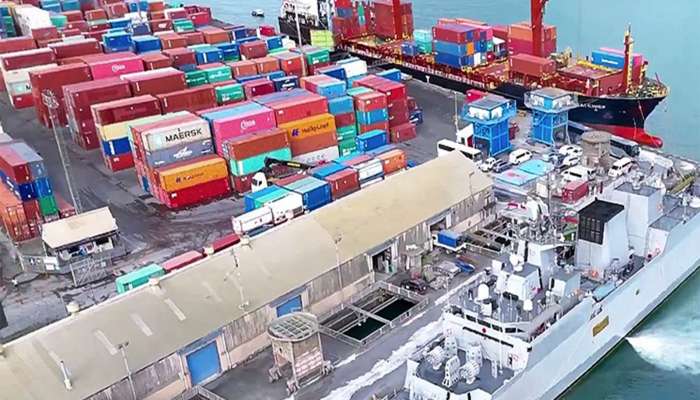

India has taken a significant stride towards bolstering its international trade capabilities with the launch of the Export Promotion Mission (EPM). Approved in the Union Budget 2025-26, this unified framework aims to streamline support for Indian exporters, particularly Micro, Small and Medium Enterprises (MSMEs) and those new to the global market. With a substantial outlay of ₹25,060 crore over the next five years, the EPM promises a more coordinated and efficient export ecosystem.
Understanding the Export Promotion Mission (EPM)
The EPM isn’t simply a new scheme; it’s a fundamental restructuring of India’s export support system. For years, various programs existed – interest equalisation schemes, market access initiatives, and more – but they often operated in silos. This fragmentation created hurdles for exporters navigating the complexities of international trade. The EPM addresses this by consolidating these scattered efforts into a single, cohesive framework.
This move is particularly crucial given the evolving global trade landscape and the need for India to aggressively pursue export growth. The mission recognizes the importance of adapting to new challenges and leveraging digital technologies to remain competitive.
Addressing Key Export Challenges
Official assessments have highlighted persistent challenges hindering India’s export potential. These include limited access to affordable trade finance, difficulties in meeting stringent international quality standards, a lack of coordinated branding efforts, and logistical bottlenecks. The EPM directly tackles these issues through its two integrated components.
Furthermore, the mission acknowledges the growing need for robust digital infrastructure to respond swiftly to fluctuations in global trade and to facilitate smoother transactions.
The Two Pillars of the Export Promotion Mission: Niryat Protsahan & Niryat Disha
The EPM operates through two interconnected components designed to provide comprehensive support to exporters.
Niryat Protsahan: Financial Empowerment
Niryat Protsahan focuses on providing crucial financial assistance. This includes interest subvention – reducing the cost of borrowing for exporters – export factoring (a financial transaction where a business sells its accounts receivable to a third party), deep-tier financing (providing funding to smaller suppliers within the export chain), and credit enhancements. These measures aim to improve access to capital, especially for MSMEs who often struggle to secure favorable financing terms.
Niryat Disha: Non-Financial Support for Global Readiness
While financial support is vital, it’s not the whole picture. Niryat Disha addresses the non-financial needs of exporters. This encompasses assistance with testing and certification to meet international standards, branding and packaging to enhance product appeal, participation in international trade fairs, logistical support to streamline transportation, and district-level capacity-building programs to equip exporters with the necessary skills and knowledge.
Strengthening the Financial Ecosystem for Exporters
Alongside the launch of the EPM, the government has taken additional steps to bolster the financial ecosystem for exporters. A key initiative is the expansion of the Credit Guarantee Scheme for Exporters, adding an extra ₹20,000 crore in support.
This scheme offers 100% credit guarantee coverage, meaning exporters, particularly MSMEs, can access working capital without the need for collateral. This significantly reduces the risk for lenders and encourages them to provide financing to export-oriented businesses.
RBI Support and Regulatory Flexibility
The Reserve Bank of India (RBI) has further reinforced the government’s commitment to export promotion through the issuance of Trade Relief Measures in November 2025. These measures provide much-needed flexibility to exporters facing economic headwinds.
They include moratoriums on loan repayments, extended credit tenures, more flexible working capital rules, regulatory forbearance, and relaxed timelines for the realization of export proceeds under the Foreign Exchange Management Act (FEMA). These steps demonstrate a proactive approach to mitigating risks and supporting exporters during challenging times.
Implementation and Coordination
The Directorate General of Foreign Trade (DGFT) will serve as the implementing agency for the Export Promotion Mission, operating a digital platform for streamlined applications, approvals, and disbursal of funds. This digital approach is central to the mission’s goal of transparency and efficiency.
Crucially, the EPM fosters inter-ministerial coordination, bringing together the Department of Commerce, the Ministry of MSME, the Ministry of Finance, Export Promotion Councils, financial institutions, and state governments. This collaborative approach ensures a unified and effective response to the needs of exporters. Real-time monitoring and outcome-based delivery will be key performance indicators.
A New Era for Indian Exports
The Export Promotion Mission represents a paradigm shift in India’s approach to export promotion. By integrating fiscal incentives, financial facilitation, digital governance, and regulatory flexibility into a single, mission-mode framework, the government has created a powerful platform to enhance India’s global trade competitiveness. This comprehensive strategy is expected to unlock significant export potential, particularly for MSMEs, and contribute to India’s economic growth.
To learn more about specific schemes and opportunities under the EPM, visit the DGFT website or contact your local Export Promotion Council. The future of Indian exports looks brighter than ever, and the EPM is poised to play a pivotal role in shaping that future.