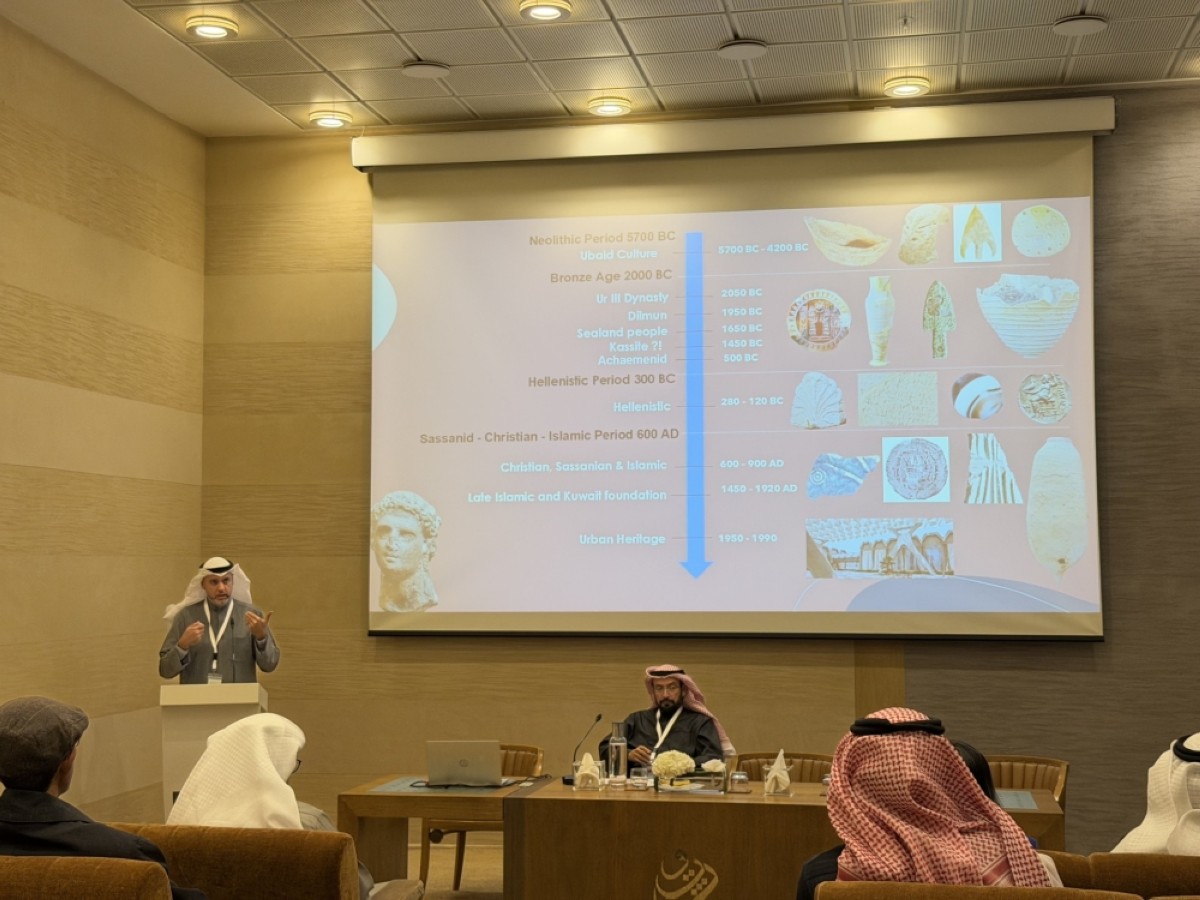

Recent archaeological research in the Arabian Gulf is focusing on a fascinating ambition: building a comprehensive database of Bronze Age pottery. This initiative, highlighted at a recent symposium in Manama, underscores a growing regional awareness of the importance of collaborative efforts to preserve and understand the rich cultural heritage of the Gulf Cooperation Council (GCC) countries. The symposium brought together experts to discuss the latest discoveries and techniques being used to unlock the secrets held within these ancient artifacts.
Collaborative Preservation of Gulf Archaeology
Kuwaiti researchers Dr. Sultan Alduwaish and Dr. Hasan Ashkanani both emphasized the crucial need for unified research and expanded joint programs across the GCC states. Protecting archaeological sites in the region isn’t the responsibility of one nation, but a shared objective. Such cooperation allows for a more efficient use of resources, including the application of cutting-edge technologies to archaeological investigation.
Both researchers agree that a coordinated approach is vital not only for documentation and conservation, but also for ensuring the long-term sustainability of Gulf heritage. This includes sharing expertise, coordinating scientific programs, and recognizing the unique cultural identity embedded within the region’s ancient past – a legacy intended for future generations. The escalating threat of development and environmental factors necessitate a proactive and collaborative defense of these invaluable sites.
Unearthing Early Civilizations in Kuwait: Al-Subiya and Beyond
Dr. Alduwaish’s presentation centered on the significant discoveries at the Al-Subiya area in Kuwait, specifically the Ubaid Civilization remains. Excavations at the Bahra 1 site have revealed a substantial Neolithic settlement, including an impressive 20 ancient kilns. This points to established traditions of pottery production and a thriving early community.
Evidence of Early Settlement and Trade
The geometric design of the rectangular stone buildings at Bahra 1 demonstrates influence from Mesopotamia, illustrating the early interconnectedness of these civilizations. Workshop areas dedicated to crafting shell beads further highlight the ingenuity and resourcefulness of the inhabitants. However, the most prevalent find remains the Bronze Age pottery itself – cooking pots, drinking cups, and other vessels reflecting daily life.
Intriguingly, Al-Subiya is also yielding evidence believed to be related to the world’s oldest sailing boats. This offers compelling proof of early maritime trade routes traversing the Gulf, linking Kuwait to broader regional networks, demonstrating a sophisticated understanding of seafaring technology in ancient times. Ongoing excavations, a joint effort between Kuwaiti and Polish teams since 2009, continue to enrich our understanding of this pivotal location.
Analyzing Dilmun Pottery with Cutting-Edge Technology
Dr. Ashkanani’s research focuses on applying innovative techniques to study Bronze Age pottery from the Dilmun civilization, specifically artifacts unearthed in Bahrain and Kuwait. His presentation outlined the use of nuclear radiation techniques – pXRF (portable X-ray fluorescence) – to non-destructively analyze the composition of pottery dating back 4,000 years, largely from the Barbar period (2030–1950 BC).
The Barbar Period and Cultural Prosperity
The Barbar period is considered a golden age for the Dilmun civilization, evidenced by the elaborate burial mounds of A’ali, the extensive settlements at Qal’at Al-Bahrain and Saar, and the temples discovered at Barbar and on Failaka Island. Dilmun pottery from this era is particularly significant, acting as a tangible link to the cultural prosperity and societal structure of the time.
Artifacts found on Failaka Island, including beads and a Dilmun-era seal, alongside foundational remains of earlier temples demonstrate the ongoing importance of the island as a center of trade and cultural exchange.
Building a Chemical Database for Regional Comparison
Ashkanani’s research is pioneering – the first of its kind – seeking to build a detailed chemical database of Bronze Age pottery throughout the Arabian Gulf. The pXRF technology successfully distinguishes between different pottery groups without causing any damage, allowing for precise analysis. By identifying mineral elements, his team can decipher kiln-usage methods and understand the subtle nuances between various Dilmun pottery types.
This analysis also confirms Dilmun’s involvement in a wider regional interaction network, with pottery originating from Mesopotamia and the Indus Valley also discovered. The presence of these diverse influences underscores the civilization’s significant administrative, social, and economic development during the second millennium BC. The project contributes substantially to the understanding of ancient trade routes and cultural dissemination.
In conclusion, the ongoing research, particularly the ambitious project to catalogue Bronze Age pottery through advanced scientific methods, represents a vital step in preserving and interpreting the rich archaeological heritage of the Arabian Gulf. The collaborative spirit highlighted at the Manama symposium, alongside innovative technological applications, promises continued discoveries and a deeper appreciation for the civilizations that flourished in this region millennia ago. Further study and open data sharing will be essential to unlock the full potential of these ancient artifacts and tell a more complete story of the Gulf’s past.