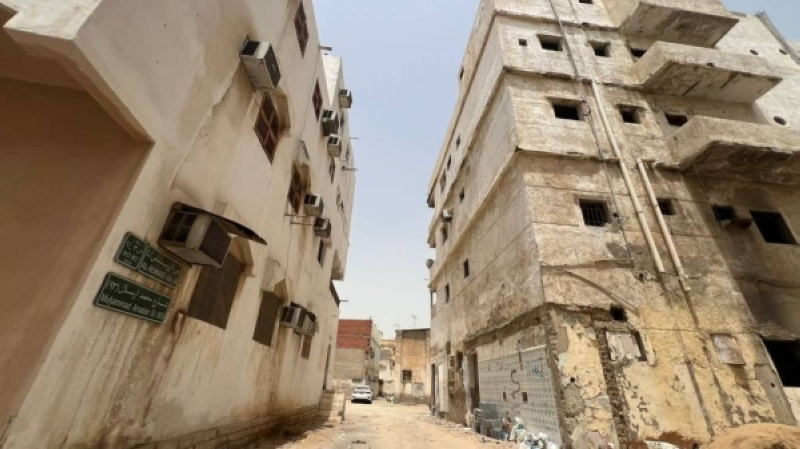

The Jeddah Mayoralty announced Tuesday the commencement of utility disconnections and eventual demolition of 1,011 dilapidated buildings in the Al-Ruwais neighborhood. This action follows the completion of notification procedures and the issuance of demolition orders by the Committee for Dilapidated Buildings, marking a significant step in the city’s ongoing efforts to improve public safety and urban renewal. The project aims to address hazardous structures posing risks to residents and the surrounding environment.
The first phase of the project, impacting over a thousand properties, begins with the disconnection of essential services. Authorities have confirmed that all regulatory requirements were met and owners were granted the legally required timeframe to address the issues before the implementation of these measures. The work will be conducted in close coordination with relevant government agencies to ensure a smooth and safe demolition process.
Addressing the Issue of Dilapidated Buildings in Jeddah
The removal of these structures is part of a broader initiative by the Jeddah Mayoralty to tackle the growing problem of unsafe buildings throughout the governorate. According to local reports, many of these buildings have fallen into disrepair due to age, lack of maintenance, or substandard construction practices. This poses a direct threat to the safety of occupants and nearby pedestrians.
Public Safety Concerns
Dilapidated buildings present a multitude of hazards, including the risk of collapse, falling debris, and the potential for fires. These structures can also harbor pests and unsanitary conditions, contributing to public health concerns. The Mayoralty’s proactive approach aims to mitigate these risks and create a safer living environment for Jeddah’s residents.
Urban Renewal and Development
Beyond safety, the removal of these buildings is seen as crucial for the ongoing urban renewal efforts in Jeddah. The city is undergoing significant transformation as part of Saudi Arabia’s Vision 2030, which includes ambitious plans for infrastructure development and improved quality of life. Removing blighted properties is essential for realizing these goals.
The disconnection of utilities is a necessary precursor to demolition, preventing potential accidents and ensuring the safe removal of the structures. This process involves coordinating with companies providing electricity, water, and other essential services. The Mayoralty has emphasized its commitment to minimizing disruption to residents during this period.
The Committee for Dilapidated Buildings has been actively identifying and assessing structures deemed unsafe for occupancy. The criteria for designation typically include significant structural damage, non-compliance with building codes, and a demonstrated risk to public safety. Building owners were initially notified of deficiencies and given opportunities to rectify the issues before demolition orders were issued.
However, many owners failed to address the problems within the allotted timeframe, leading to the current phase of forced demolition. The Mayoralty maintains that all actions are being taken in accordance with established legal procedures and with due consideration for property rights. Compensation procedures for affected property owners are reportedly being handled separately, though details have not been widely publicized.
Meanwhile, the Jeddah Municipality is also focusing on preventative measures to avoid future instances of building deterioration. This includes stricter enforcement of building codes, regular inspections, and public awareness campaigns promoting responsible property maintenance. These efforts are intended to foster a culture of safety and sustainability within the city’s built environment.
In contrast to some other urban centers facing similar challenges, Jeddah’s approach appears to be characterized by a relatively swift and decisive response. This is likely due to the city’s rapid growth and the ambitious development plans outlined in Vision 2030. The scale of the project – impacting over a thousand buildings in the initial phase – underscores the severity of the problem and the commitment to addressing it.
Related efforts to improve the city’s infrastructure include upgrades to drainage systems and road networks, as well as investments in public transportation. These initiatives are all interconnected, aiming to create a more livable and sustainable urban environment. The removal of unsafe structures is a critical component of this broader vision.
The demolition process itself is expected to take several months to complete, with the Mayoralty prioritizing areas posing the greatest immediate risk. The cleared land will then be available for redevelopment, potentially for new housing, commercial spaces, or public amenities. The long-term impact on the Al-Ruwais neighborhood remains to be seen.
Looking ahead, the Jeddah Mayoralty has indicated that it will continue to monitor buildings throughout the governorate for signs of deterioration. Further phases of demolition are anticipated, targeting additional properties identified as hazardous. The success of this initiative will depend on continued funding, effective coordination between government agencies, and ongoing public support. The next step involves the actual demolition work, with a projected completion date yet to be announced, and the subsequent planning for the redevelopment of the cleared land will be closely watched.