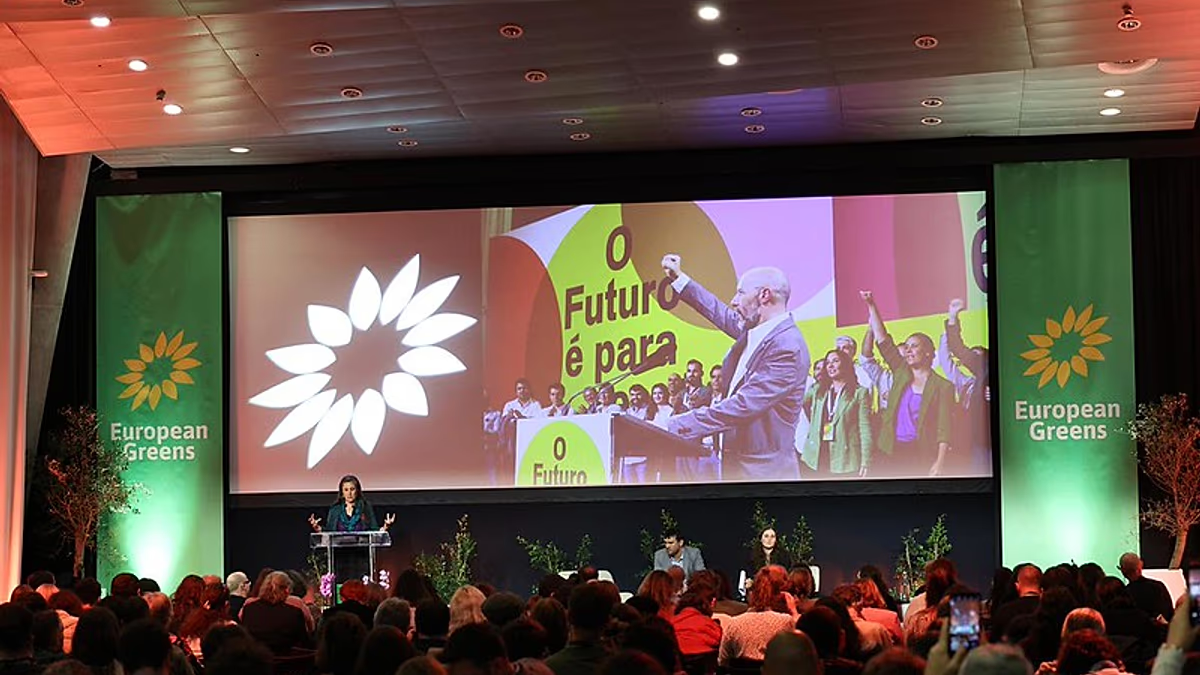

The European Greens party has sharply criticized the European People’s Party (EPP), the center-right political group led by Ursula von der Leyen, labeling them as their primary political opponent. This declaration came during the Greens’ 40th European Congress in Lisbon, Portugal, this week, reflecting growing tensions over policy alignment, particularly regarding immigration, social rights, and democratic principles. The shift in rhetoric signals a potential realignment within the European Parliament as the next European elections approach.
The Greens’ strong stance follows a period where the EPP has increasingly relied on support from far-right parties to pass legislation, raising concerns among progressive groups. The Congress, attended by various political figures, served as a platform for the Greens to articulate their dissatisfaction and outline their strategic approach for the coming years. This move comes as the climate agenda has faced challenges amid economic pressures stemming from the COVID-19 pandemic and the war in Ukraine.
Growing Divide: The Greens and the EPP
According to statements from the co-chairs of the European Greens, the EPP has crossed a “red line” by collaborating with far-right factions on issues like anti-immigration policies. This collaboration, they argue, undermines fundamental social rights and democratic principles. The Greens are grappling with the difficult decision of whether to continue a working alliance with the EPP despite these disagreements, or to distance themselves and seek alternative partnerships.
Policy Flashpoints
Several key policy areas fueled the Greens’ criticism. Housing policies, labor rights, and the ongoing conflict in the Middle East were central to the debate in Lisbon. The Greens expressed concern that the EPP’s policies in these areas often prioritize economic interests over social justice and human rights. They also highlighted the EPP’s perceived reluctance to fully embrace ambitious climate action targets.
However, the Greens have, for now, opted to maintain the alliance with the EPP, despite the reservations. This decision reflects a pragmatic calculation that complete isolation would limit their influence within the European Parliament. Maintaining some level of cooperation allows them to potentially moderate the EPP’s policies and advocate for their own priorities, even if it requires compromise.
Meanwhile, the EPP defends its alliances as necessary to secure a functioning majority and advance its broader agenda. They argue that pragmatic cooperation is essential in a fragmented political landscape. The EPP maintains that it remains committed to core European values, even when collaborating with parties holding differing views on specific issues. More information about the EPP can be found on the European Parliament website.
Additionally, the shift in the Greens’ strategy comes at a time when the broader political landscape in Europe is becoming increasingly polarized. The rise of far-right parties across the continent is challenging traditional political alignments and forcing mainstream parties to reassess their strategies. This trend is further complicated by economic uncertainties and geopolitical tensions.
In contrast to the focus on internal European politics, the war in Ukraine continues to dominate the agenda. The Greens, while supporting aid to Ukraine, have also emphasized the need for a diplomatic solution and a commitment to peace. They have criticized what they see as a lack of focus on preventative diplomacy and a reliance on military solutions.
The implications of this growing rift between the Greens and the EPP are significant for the future of European politics. The upcoming European Parliament elections in 2024 will be a crucial test of the Greens’ strategy and their ability to mobilize support. The outcome could reshape the balance of power within the Parliament and influence the direction of European policy for years to come. The political landscape is shifting, and the Greens are positioning themselves to be a key voice for progressive values.
Looking ahead, observers will be watching closely to see how the Greens navigate this challenging political terrain. Their ability to maintain influence while staying true to their principles will be critical. The next few months will likely see increased scrutiny of the EPP’s alliances and a renewed debate about the future of the European project. Stay informed about the evolving dynamics of EU politics and the upcoming elections to understand the potential impact on policy and governance.