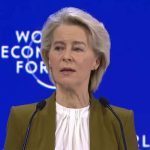

Growing tensions between the United States and the European Union are escalating, fueled by former President Donald Trump’s renewed threats of tariffs and a surprising focus on the potential purchase of Greenland. The situation is unfolding as global leaders gather at the World Economic Forum in Davos, Switzerland, where Trump briefed the press, emphasizing his contributions to NATO and hinting at a firm stance on trade. These developments are prompting concern among European officials and a postponement of a key vote in the European Parliament regarding EU-US relations.
The immediate catalyst is Trump’s reiteration of his interest in acquiring Greenland, a self-governing territory within the Kingdom of Denmark, and his simultaneous signaling of potential tariffs on European goods. This combination has raised fears of a broader trade war, reminiscent of the disputes seen during Trump’s first presidency. The EU is currently assessing its response, with discussions centering on potential retaliatory measures and diplomatic efforts to de-escalate the situation.
The Looming Threat of a Trade War
Trump’s comments in Davos suggest a willingness to leverage trade as a bargaining chip, potentially linking tariff reductions to concessions on other issues, including defense spending and the Greenland question. According to reports, the former President believes a stronger US presence in Greenland would be strategically advantageous. However, Danish officials have already dismissed any possibility of selling the territory, making a negotiated outcome on that front unlikely.
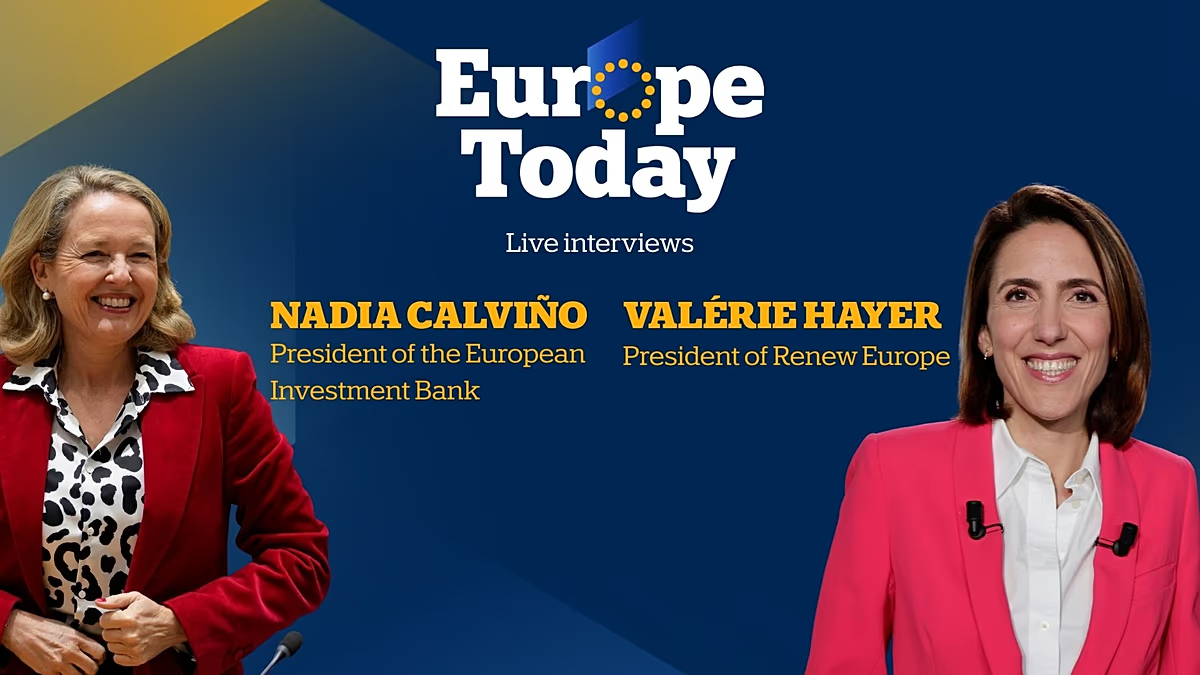
The European Parliament was scheduled to vote on a resolution outlining the EU’s approach to relations with the US, but the vote has been delayed to allow for consideration of the latest developments. Renew Europe President Valérie Hayer, speaking from Strasbourg, expressed concern over the escalating rhetoric and the potential impact on European businesses. She emphasized the need for a unified European response to protect its economic interests.
Meanwhile, the European Investment Bank (EIB), under the leadership of Nadia Calviño, is closely monitoring the situation. Calviño, speaking from Davos, highlighted the EIB’s commitment to supporting European businesses and mitigating the potential negative consequences of increased trade barriers. The EIB is prepared to offer financial assistance to companies affected by any new tariffs, but stressed that a stable and predictable trade environment is crucial for long-term economic growth.
Impact on NATO and European Security
Trump’s emphasis on his contributions to NATO, while in Davos, is seen as a signal of his continued belief in the importance of burden-sharing within the alliance. He has consistently called on European members to increase their defense spending to meet the agreed-upon target of 2% of GDP. However, his unpredictable approach to international relations and his questioning of the alliance’s core principles have created uncertainty among European allies.
The potential for a trade war adds another layer of complexity to the security landscape. Increased economic tensions could strain transatlantic relations and undermine cooperation on other critical issues, such as counterterrorism and cybersecurity. Some analysts suggest that a weakened economic relationship with the US could also force European countries to re-evaluate their defense priorities and potentially increase their own military spending.
Adding to the global concerns, the situation in Gaza remains a significant point of contention. Despite the focus on US-EU relations and economic issues in Davos, Trump indicated his intention to pursue a “20-point peace plan” for the region, seeking support from international partners, including European nations. The details of this plan remain largely undisclosed, but it is expected to address issues such as border security, refugee resettlement, and the status of Jerusalem.
The EU has consistently advocated for a two-state solution to the Israeli-Palestinian conflict, based on internationally recognized borders. While the EU may be willing to engage with Trump’s peace plan, it is likely to insist on adherence to international law and a commitment to a just and lasting resolution. For further information on the EU’s foreign policy, you can visit the European External Action Service website.
As the World Economic Forum continues, all eyes are on the interactions between US and European leaders. The coming days will be critical in determining whether a path can be found to de-escalate tensions and avoid a damaging trade war. The EU’s response will be closely watched, as will any further signals from Trump regarding his intentions on Greenland and his broader vision for transatlantic relations. Stay informed with Euronews’ continuing coverage, available on TV, our website, and through our newsletter and podcast.