
An intense, 16-hour EU summit in Brussels concluded with significant outcomes for Ukraine and international trade. European leaders agreed to a €90 billion financial aid package for Ukraine, funded through joint debt issuance – critically, excluding any assets seized from Russia. However, the summit also resulted in a postponement of the long-negotiated EU-Mercosur trade deal, following objections from Italy’s Prime Minister Giorgia Meloni and substantial farmer protests.
The gathering, held on December 19, 2025, saw Ukrainian President Volodymyr Zelenskyy present in Brussels, directly urging EU leaders to prioritize aid and downplay legal concerns regarding the use of frozen Russian assets. Simultaneously, negotiations surrounding the Mercosur agreement – a potential free trade zone between the European Union and Argentina, Brazil, Paraguay, and Uruguay – stalled due to Italian demands for further concessions.
Ukraine Receives Vital Aid After Prolonged EU Debate
Securing the €90 billion aid package for Ukraine represented a major diplomatic victory for Kyiv and its supporters within the EU. The agreement involved overcoming objections, particularly from Hungary, which had previously threatened to obstruct the funding. Negotiators ultimately established a mechanism for joint debt issuance to finance the aid, bypassing the need for unanimous approval each year, a key demand from Ukraine.
President Zelenskyy emphasized the urgency of the situation, arguing that continued support for Ukraine is vital to addressing broader security threats in Europe. He reportedly held extensive talks with Belgian Prime Minister Bart de Wever, focusing on bolstering Ukraine’s defense capabilities and accelerating its path towards EU membership. The Ukraine crisis continues to dominate the European agenda, impacting economic policies and foreign relations across the continent.
Impact of the Aid Package
The financial assistance is intended to support Ukraine’s government functions, rebuild critical infrastructure, and address humanitarian needs as the conflict with Russia continues. Additionally, the EU is expected to provide Ukraine with further military aid and assistance in implementing economic reforms. This package reinforces the EU’s commitment to Ukraine’s sovereignty and territorial integrity.
The decision to exclude Russian assets from the funding source follows complex legal and political deliberations. While some member states advocated for using seized funds to directly aid Ukraine, concerns about legal challenges and potential escalation with Russia ultimately prevailed. The European Commission continues to explore legal avenues for utilizing these assets in the future.
EU-Mercosur Trade Deal Faces Further Delay
The postponement of the EU-Mercosur agreement marks a setback for proponents of increased global trade and economic integration. Italian Prime Minister Giorgia Meloni successfully lobbied for a delay, citing concerns about the potential impact on Italian farmers and the need for greater guarantees regarding environmental standards. This request came amidst widespread protests by farmers across Europe, who fear increased competition from South American agricultural products. More information about the EU-Mercosur negotiations is available on the European Parliament website.
The protests, which occurred in Brussels and other European capitals, underscored the growing anxieties among agricultural communities regarding the effects of free trade agreements. Farmers argue that such deals often lead to lower prices for their products and a decline in their livelihoods. Meanwhile, those favoring the agreement emphasize its potential to boost economic growth and provide consumers with wider choices.
The EU’s trade policy has been under increased scrutiny recently, with debates centering around balancing economic benefits with social and environmental concerns. The delay to the Mercosur deal highlights the challenges of navigating these competing priorities within the 27-member bloc.
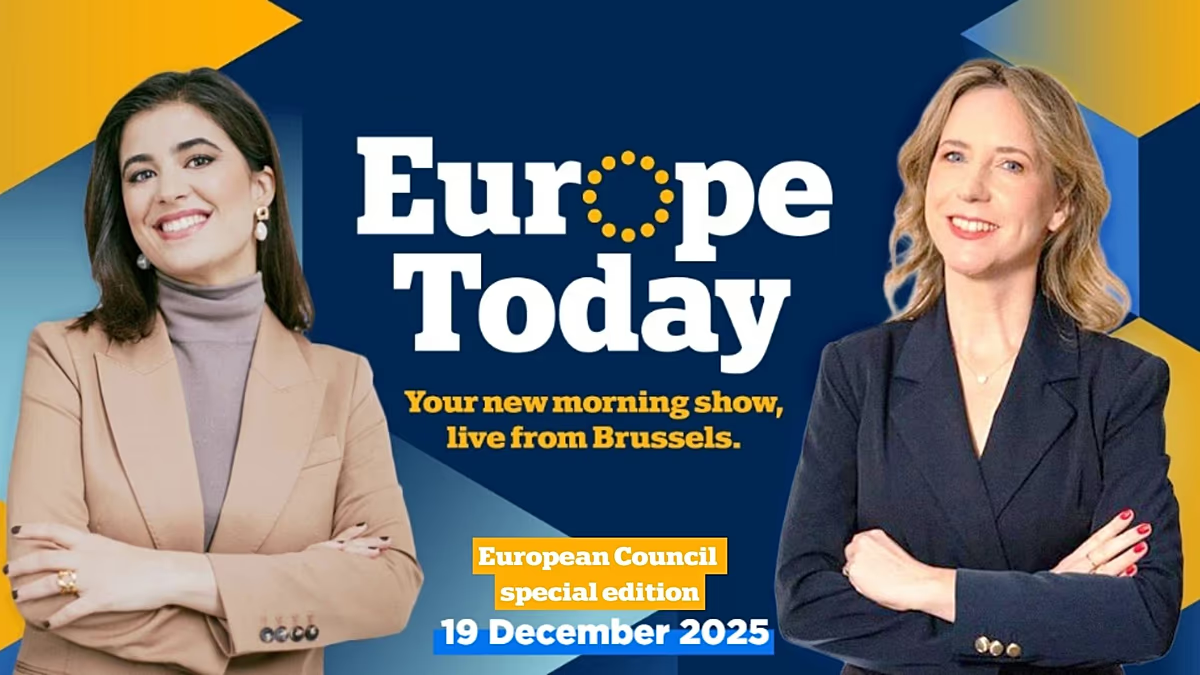
Looking ahead, the EU summit’s outcomes signal a continued, albeit complex, commitment to Ukraine. The future of the EU-Mercosur deal remains uncertain, dependent on further negotiations and addressing the concerns of member states and their agricultural sectors. Stay informed on these developments and the broader implications for European foreign policy and trade relations. Euronews’ “Europe Today” will continue to provide daily updates and analysis on these crucial issues.
Don’t miss “Europe Today” every morning at 8:00 CET on Euronews for the latest on these and other pivotal European developments.