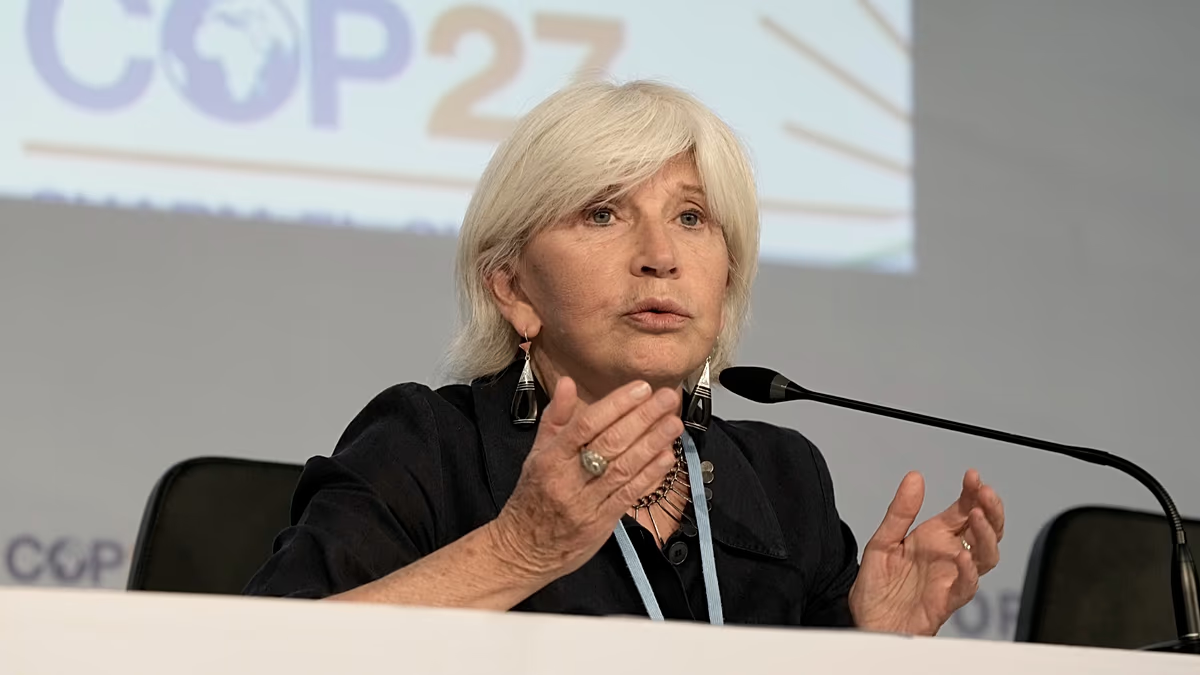

The European Union faces increasing pressure from the United States to continue purchasing US energy products, even as the EU strives to meet ambitious climate goals. Climate czar Laurence Tubiana has urged the EU to resist this pressure and prioritize its own energy independence and climate neutrality targets. This call to action comes amid escalating tensions over the EU’s climate policies, particularly its carbon border adjustment mechanism, and the future of energy security in Europe.
Speaking on Euronews’ “Europe Today” program on December 15, 2025, Tubiana, a key figure in the Paris Agreement negotiations, argued that maintaining climate commitments should not be compromised by transatlantic trade considerations. She expressed concern over what she described as unprecedented aggressiveness from the US administration in opposing EU climate legislation. The debate centers on the EU’s efforts to reduce greenhouse gas emissions and promote sustainable practices globally.
The Pushback Against EU Climate Policies and Energy Security
The US has reportedly been pushing back against several EU climate initiatives, including the Carbon Border Adjustment Mechanism (CBAM). This mechanism aims to level the playing field for European businesses by imposing a carbon price on imports from countries with less stringent climate regulations. US officials have voiced concerns that the CBAM could unfairly target American industries.
However, Tubiana emphasized the importance of the EU’s independence and economic security, stating that energy security is a crucial component of both. She advocated for diversifying energy suppliers and reducing reliance on any single nation, including the United States. This strategy aligns with broader EU efforts to strengthen its resilience against geopolitical disruptions in energy markets.
Diversification and the Role of Renewable Energy
Tubiana highlighted the encouraging developments in China’s renewable energy sector as a potential alternative source of energy for the EU. China has made significant investments in solar, wind, and other renewable technologies, becoming a global leader in the field. This diversification could lessen the EU’s dependence on fossil fuels and enhance its climate resilience.
Additionally, she pointed to the commitment of 85 countries to phase out fossil fuels, as demonstrated at COP30, despite the US withdrawal from the summit. This global momentum suggests a broader shift towards cleaner energy sources, even without full US participation. The EU’s commitment to increasing the share of renewable energy in its energy mix is central to this transition.
The EU is currently working to implement the European Green Deal, a comprehensive package of policy initiatives aimed at making Europe climate neutral by 2050. This includes targets for reducing greenhouse gas emissions, increasing energy efficiency, and promoting the development of sustainable technologies. The International Energy Agency (IEA) provides detailed analysis of the Green Deal’s progress and challenges. IEA – European Union Energy Policy Review
Despite the US pressure and recent rollbacks of some climate-related legislation within the EU, Tubiana remains optimistic about achieving net-neutrality by 2050. She believes that continued investment in renewable energy and decarbonization technologies, particularly within the industrial sector, will be key to success. This requires sustained political will and significant financial resources.
The situation is further complicated by ongoing geopolitical instability and the need to ensure affordable energy prices for European consumers. Balancing these competing priorities will be a major challenge for the EU in the years ahead. The EU’s REPowerEU plan aims to address these challenges by accelerating the transition to renewable energy and reducing reliance on Russian fossil fuels.
Looking ahead, the EU will need to navigate a delicate balance between maintaining transatlantic relations and pursuing its own climate objectives. The outcome of this debate will have significant implications for the future of global climate action and the security of energy supplies in Europe. Monitoring the EU’s response to US pressure and its progress towards the 2050 climate neutrality target will be crucial for stakeholders across the energy and environmental sectors.
Stay informed about the evolving dynamics of EU energy policy and its impact on the global climate landscape. Explore resources from the European Commission to learn more about the Green Deal and related initiatives. European Green Deal