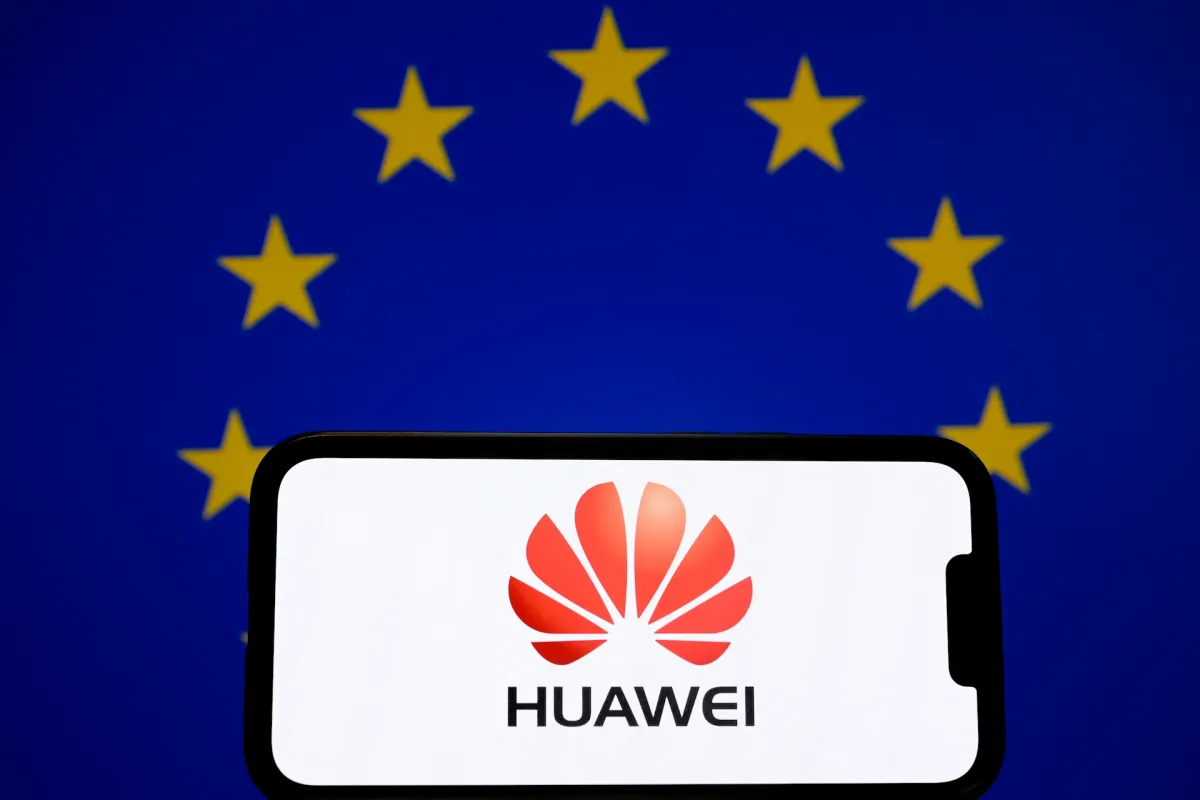

The European Commission is urging member states to phase out equipment from Chinese vendors such as Huawei and ZTE from their 5G and next-generation telecommunications networks, Bloomberg reported, citing people familiar with the matter. The move is part of a broader effort to enhance the security of Europe’s telecommunications infrastructure.
European Commission Vice President Henna Virkkunen is pushing to turn a 2020 recommendation to limit the use of “high-risk” vendors into a binding regulation, according to Bloomberg. This development could lead to a more uniform approach to network security across the European Union.
Strengthening 5G Network Security
The proposed regulation aims to ensure that EU member states adhere to the Commission’s security guidelines more closely. If implemented, member states that fail to comply could face infringement procedures and financial penalties, the report indicates. Virkkunen’s proposal also considers limiting Chinese vendors’ participation in fiber network projects as part of the EU’s push for faster broadband rollout.
Huawei and ZTE, the Chinese tech giants at the center of the security concerns, did not respond to requests for comment on the matter. The European Commission’s efforts to bolster network security are driven by concerns that equipment from these vendors could be exploited for cyber-espionage or to disrupt critical communications.
Global Context and Implications
The EU’s move is part of a larger trend of limiting China’s influence in key infrastructure. Last year, Germany’s top security official announced plans to prohibit the use of critical components from Huawei and ZTE starting in 2026. Finland is also reportedly planning to expand its ban on Huawei components in 5G networks.
The United States has been persuading European allies to restrict or ban Huawei equipment over similar security concerns. Countries like the U.K. and Sweden have already taken steps to limit or ban the use of Huawei gear in their networks. The EU’s efforts to enhance network security are seen as a crucial step in protecting its telecommunications infrastructure from potential threats.
Assessing the Impact
The impact of the proposed regulation on the telecommunications industry remains to be seen. However, it is clear that the EU is taking a more proactive stance on network security. The Commission’s efforts to limit the use of equipment from “high-risk” vendors are expected to continue shaping the future of Europe’s telecommunications landscape.
As the EU moves forward with its plans to strengthen 5G network security, the next steps and potential timelines for implementation are being closely watched. The outcome of these efforts will likely have significant implications for the telecommunications industry and the broader geopolitical landscape.