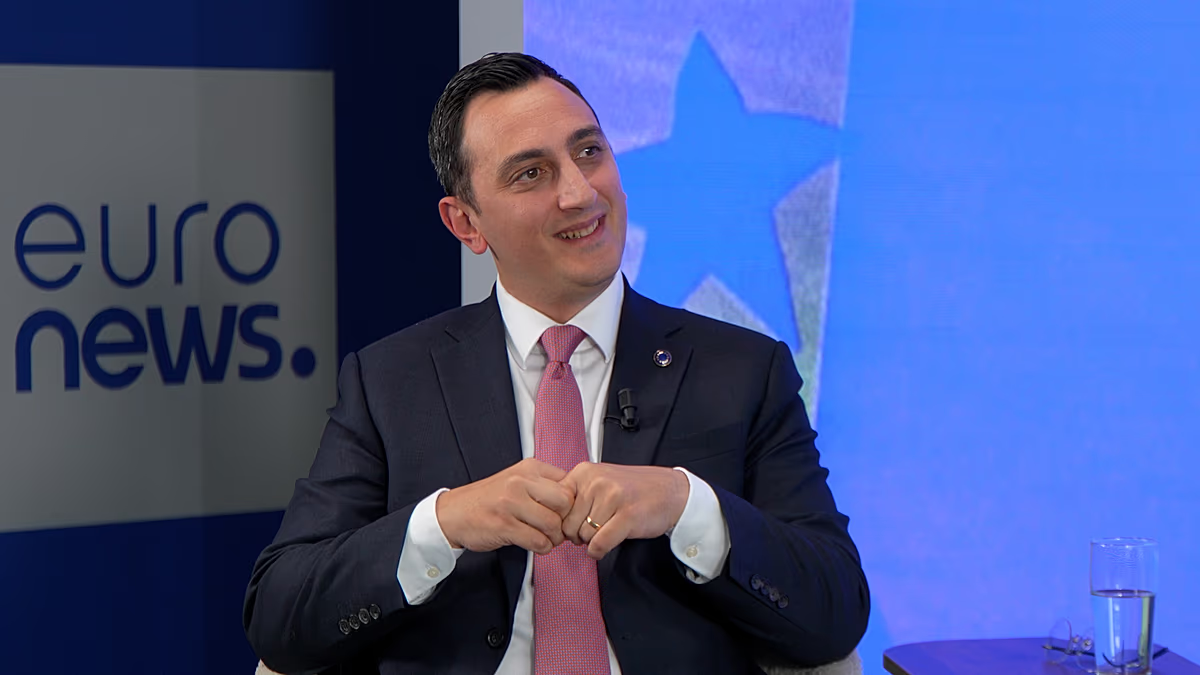

The European Commission has reiterated its opposition to the proposed European Super League, with EU Culture and Sport Commissioner Glenn Micallef stating that the concept “was, is and will continue to be a mistake.” The Super League, initially announced in 2021, aimed to create a breakaway competition featuring top clubs from England, Spain, and Italy.
Micallef emphasized the importance of open competition in European football, supporting domestic leagues and promoting sustainability. He noted that various stakeholders, including UEFA, FIFA, and national governments, had expressed concerns regarding the Super League’s potential exclusivity and reduced competitiveness.
European Super League: A Threat to Football’s Sustainability?
Despite court rulings prohibiting UEFA from stifling the league, Micallef remains unfazed, advocating for an inclusive approach to addressing the challenges facing European football. He stressed that heavy match calendars and financial pressures contribute to the sector’s sustainability issues, requiring a collaborative solution among all stakeholders.
Micallef highlighted the need for discussions on athletes’ welfare to involve representatives from athlete unions. The Commissioner’s stance is in line with the EU’s commitment to promoting open competition and supporting domestic leagues.
According to Micallef, the European football landscape faces significant challenges, including the growing issue of mental health problems among young people. The World Health Organization reports that around 20% of young people in the EU suffer from anxiety, depression, or other mental health disorders.
Promoting Culture and Sport as a Solution
Micallef suggested that increased access to culture could help alleviate these issues, providing a healthy alternative to excessive screen time. He also warned about the rising problem of obesity, describing it as an “epidemic” that could be addressed through sport, which he termed “free medicine.”
The EU is taking steps to address these concerns through its novel Culture Compass for Europe framework. Developed by Micallef, this non-legally binding mechanism aims to promote a long-term vision for the cultural sector.
The Culture Compass includes commitments to publishing a periodic “Report on the State of Culture in the EU” to bolster artistic freedom and improve working conditions for the almost 8 million people employed in the cultural and creative industries.
As the EU continues to shape its approach to culture and sport, stakeholders will be watching closely. The approval of the Culture Compass by all three EU institutions is expected in 2026, marking a significant step towards a more integrated approach to these sectors.