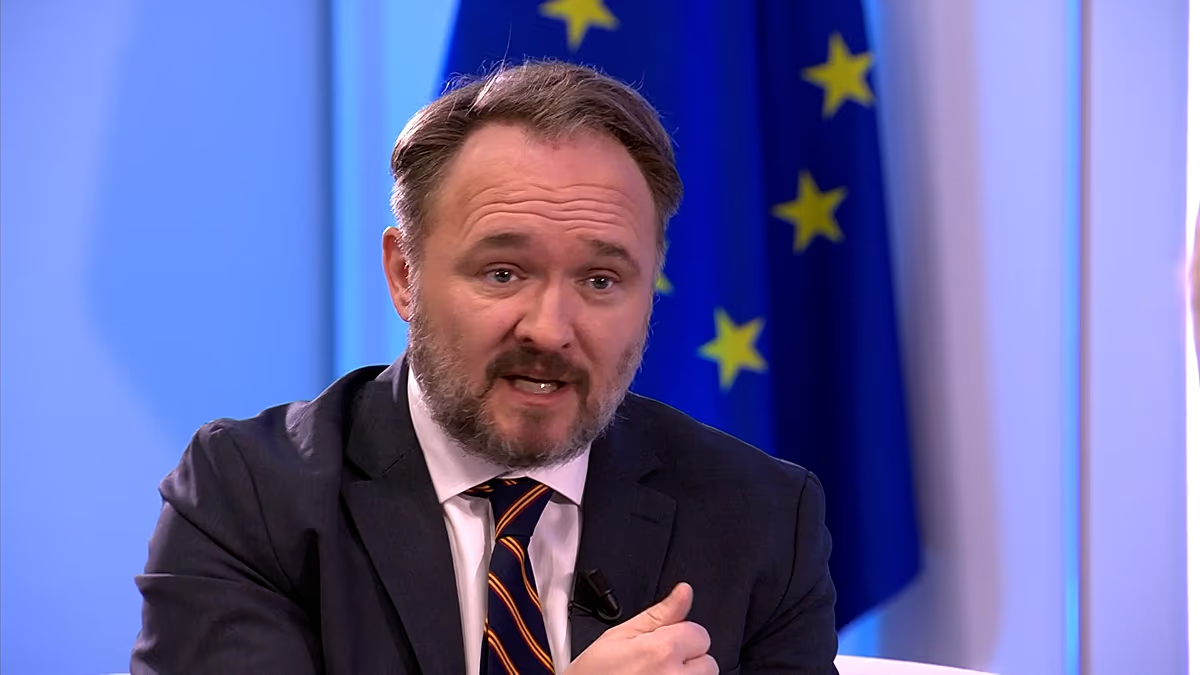

The European Commission is preparing a comprehensive plan to address the growing housing crisis across the European Union. Proposals, expected before Christmas, aim to increase the construction of affordable homes, revise state aid regulations, and streamline bureaucratic processes hindering development. This initiative comes as housing affordability declines, particularly for young people and low-income families, prompting a significant policy response.
European Commissioner for Energy and Housing, Dan Jørgensen, outlined the strategy in an interview with Euronews, emphasizing a “holistic approach” to tackle the multifaceted issues. He highlighted the need for member states to have greater flexibility in supporting affordable housing projects, while acknowledging the role of both national governments and the EU in finding solutions.
Addressing the EU Affordable Housing Crisis
The appointment of Jørgensen as the first-ever Commissioner for Housing signals the seriousness with which the EU now views the housing situation. Surging property prices and rental costs are making it increasingly difficult for many Europeans to secure adequate housing. This is compounded by a lack of new construction, leading to overcrowding and financial strain on households.
According to recent data, a substantial portion of the population is struggling with housing costs, with many spending over 40% of their income on rent or mortgage payments. This financial burden impacts other essential expenses and limits opportunities for saving and investment. The crisis is also linked to broader economic factors, such as inflation and previous periods of low interest rates, which stimulated demand and inflated prices.
Impact on Young People and the Labor Market
Jørgensen specifically highlighted the detrimental effects of the housing crisis on young people. Many are forced to delay starting families or pursuing further education due to housing insecurity. This lack of affordability contributes to a decline in labor market mobility, as individuals are less willing to relocate for employment opportunities.
“It’s bad for the individual, of course, but also for society,” Jørgensen stated. “We don’t have the mobility that we need in the labour market, and people don’t get the education that they really wanted.”
Mobilizing Investment and Tackling Short-Term Rentals
While housing policy remains primarily a national responsibility, the Commission aims to facilitate investment and encourage best practices. A key component of this effort is the development of a pan-European investment platform, in collaboration with the European Investment Bank, to connect investors with projects needing funding. Jørgensen noted that significant capital is available, but needs to be directed towards long-term housing solutions.
Additionally, the EU plans to address the growing issue of short-term rentals through platforms like Airbnb and Booking.com. The Commission recognizes the benefits of tourism but acknowledges the negative impact these rentals can have on local housing markets, driving up prices and reducing availability for long-term residents. Regulations are being considered to balance tourism with the needs of local communities.
The “Financialization” of Housing
The Commission also intends to examine the “financialization of the housing sector,” whereby housing is treated as a commodity for investment rather than a fundamental right. Speculation in the housing market can exacerbate price increases and create instability. Jørgensen indicated a willingness to explore measures to curb excessive speculation while still allowing for legitimate investment. This echoes concerns raised by organizations focused on affordable housing globally.
The increasing influence of institutional investors in the housing market is also under scrutiny. While these investors can provide capital, their focus on maximizing returns may not always align with the goal of providing affordable housing for all. The Commission feels they can help guide these investments.
Looking ahead, the success of the EU Affordable Housing Plan will depend on effective collaboration between member states, investors, and stakeholders. The plan’s proposals are expected to spark debate and negotiation, considering the diverse housing situations across the EU. Monitoring the impact of these measures on housing affordability and supply will be crucial in the coming years. Keep an eye on the European Commission’s announcements for the full details of the plan and its projected implementation timeline.