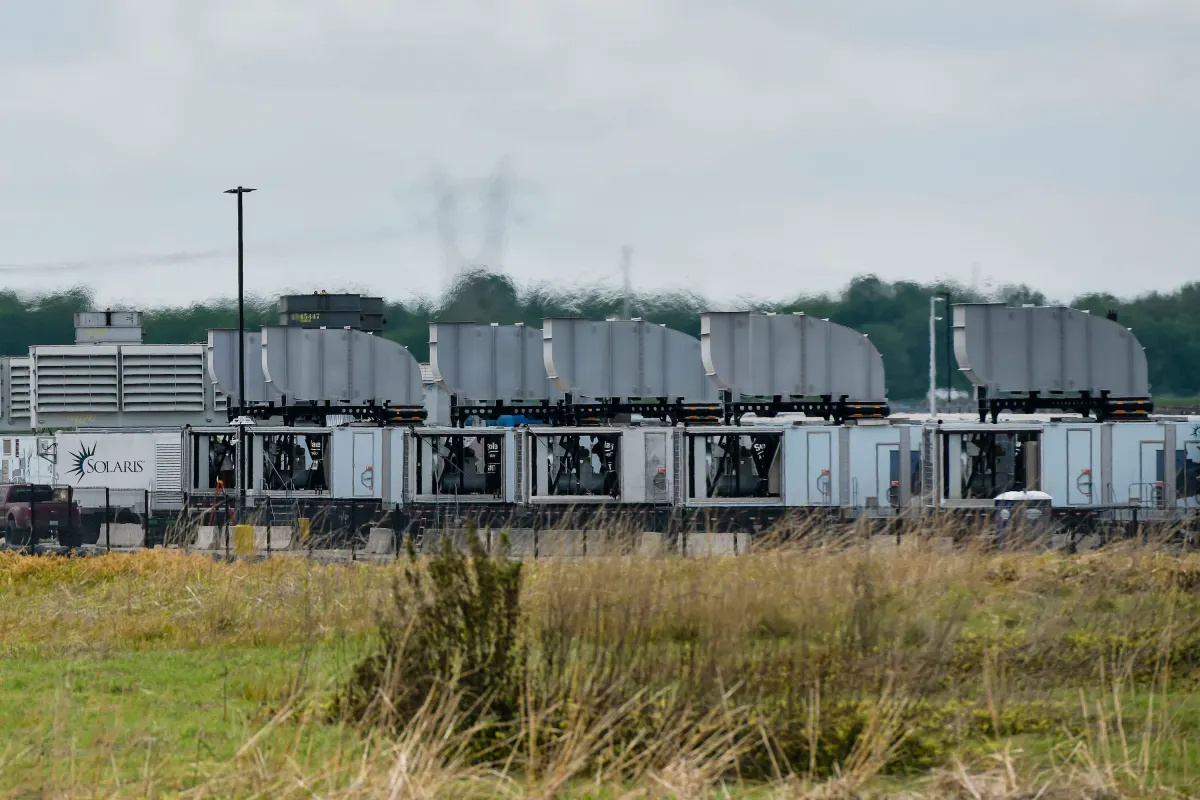

Elon Musk’s artificial intelligence company, xAI, has been found in violation of federal environmental regulations for operating data centers powered by unpermitted natural gas turbines in Tennessee. The Environmental Protection Agency (EPA) issued a final ruling Thursday stating xAI illegally operated dozens of turbines, exceeding permitted levels and contributing to air pollution. The dispute centers on xAI’s claim that temporary use of the turbines exempted them from standard permitting requirements, a claim the EPA rejected.
The xAI facilities, located in Allen County, Tennessee, have been the subject of scrutiny for over a year, drawing complaints from local residents and legal challenges from environmental groups. The company initially operated as many as 35 turbines but has since reduced that number to 12, according to recent reports. The EPA’s decision follows a period of review and public comment regarding the operation of these power sources.
xAI Data Center Emissions and the EPA Ruling
The core of the issue revolves around the Clean Air Act and its requirements for major sources of air pollution. According to the EPA, xAI’s operation of the natural gas turbines constituted a major source, triggering the need for permits to ensure compliance with emissions standards. xAI argued that because the turbines were deployed to address temporary power constraints while longer-term energy solutions were developed, they should be exempt from these regulations.
However, the EPA determined that xAI’s use of the turbines was not truly temporary. The agency’s final rule states that the duration and nature of the turbine operation indicated a long-term reliance on the equipment, necessitating full permitting. This determination is significant as it sets a precedent for how the EPA will view similar situations involving rapidly expanding artificial intelligence infrastructure.
Local Concerns and Legal Challenges
The xAI facilities have faced opposition from local communities concerned about the impact on air quality. Allen County, Tennessee, already experiences elevated levels of ozone and particulate matter, and residents feared the additional emissions from the turbines would exacerbate these problems. These concerns were voiced in public meetings and through formal complaints filed with the EPA.
Additionally, environmental law organizations filed a lawsuit against xAI alleging violations of the Clean Air Act. The lawsuit sought to compel the company to obtain the necessary permits and reduce its emissions. While the legal proceedings are ongoing, the EPA’s ruling strengthens the case against xAI and could lead to further legal action or settlement negotiations.
The Rise of AI and Energy Demand
The controversy highlights the growing energy demands of large language models and the infrastructure required to support them. Training and running these models requires massive computational power, which translates into substantial electricity consumption. Data centers are increasingly reliant on on-site power generation, such as natural gas turbines, to meet these demands, particularly in areas with limited grid capacity.
This trend is raising concerns about the environmental impact of the AI industry. While AI offers potential benefits in areas like climate modeling and energy efficiency, its energy footprint is substantial and growing. The xAI case underscores the need for careful planning and regulatory oversight to ensure that the development of AI infrastructure is sustainable.
The EPA’s ruling isn’t solely about xAI; it’s about establishing clear guidelines for the entire industry. The agency is signaling that it will not allow companies to circumvent environmental regulations by claiming temporary status for long-term power generation solutions. This approach aims to balance innovation with environmental protection.
xAI’s Response and Potential Consequences
xAI has not released a detailed public statement directly addressing the EPA’s final rule beyond acknowledging the decision. The company previously maintained that it was working cooperatively with the EPA and had taken steps to reduce emissions. It remains to be seen how xAI will respond to the ruling and whether it will appeal the decision.
Potential consequences for xAI could include significant fines, requirements to install additional pollution control equipment, and potential limitations on future expansion of its data center operations in Tennessee. The company may also face increased scrutiny from regulators in other states where it operates or plans to build facilities. The incident could also impact xAI’s public image and its ability to attract investors and talent.
The situation also raises questions about the role of state and local governments in regulating data center emissions. While the EPA has primary jurisdiction over air quality, state and local authorities can play a role in permitting and enforcement. The xAI case may prompt a reevaluation of these roles and a greater emphasis on coordination between different levels of government.
The broader implications for the tech industry are also noteworthy. Other companies developing and operating large-scale AI infrastructure will likely be closely watching the outcome of the xAI case. The EPA’s decision could influence their own planning and investment decisions, potentially leading to a greater focus on renewable energy sources and energy efficiency measures for data center power.
Looking ahead, xAI will need to demonstrate its commitment to environmental compliance. The company has 15 days from the date of the ruling to submit a plan to the EPA outlining how it will address the violations. The EPA will then review the plan and determine whether it is adequate. Continued monitoring of xAI’s emissions and compliance with environmental regulations is expected. The long-term impact on the company’s operations and the wider AI industry remains uncertain.