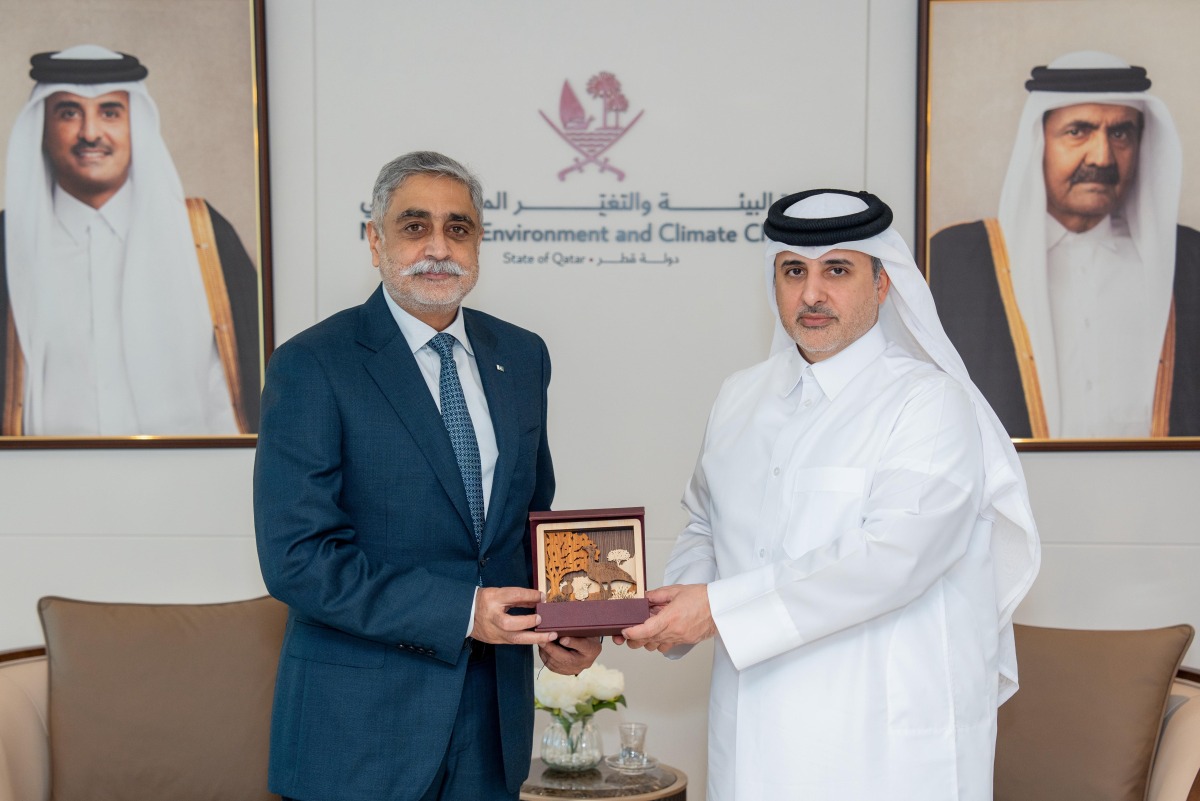

Qatar and Pakistan are exploring strengthened environmental cooperation, following a meeting between Qatar’s Minister of Environment and Climate Change and the Pakistani Ambassador to Qatar. The discussion, held this week in Doha, focused on bolstering ties in environmental fields and identifying areas for mutual support. This development signals a potential increase in collaborative efforts addressing shared ecological challenges in the region.
The meeting took place on November 21, 2023, between Qatar’s Minister of Environment and Climate Change, H.E. Dr. Abdullah bin Abdulaziz bin Turki Al Subaie, and Pakistan’s Ambassador to Qatar, H.E. Muhammad Aamer. According to a statement released by the Ministry, the officials reviewed existing cooperation and discussed strategies to enhance their relationship, alongside topics of broader mutual interest. This dialogue comes amid growing global emphasis on international partnerships for climate action and sustainable development.
Strengthening Qatar-Pakistan Environmental Cooperation
The core of the discussion revolved around identifying opportunities for increased environmental cooperation between the two nations. While specific projects weren’t detailed in the initial announcement, potential areas of collaboration could include water resource management, desertification control, and biodiversity conservation. Both Qatar and Pakistan face unique environmental pressures, making shared learning and resource pooling potentially beneficial.
Shared Environmental Challenges
Qatar, with its arid climate and rapid development, prioritizes sustainable water management and reducing its carbon footprint. Pakistan, meanwhile, grapples with issues like deforestation, pollution, and the impacts of climate change on its agricultural sector. Addressing these challenges requires innovative solutions and international partnerships.
However, the meeting wasn’t solely focused on challenges. The officials also likely discussed potential knowledge exchange programs and the sharing of best practices in areas like renewable energy and waste management. Qatar has invested significantly in renewable energy technologies, while Pakistan has experience in community-based conservation efforts.
Additionally, the discussion likely touched upon regional environmental issues, such as air quality and marine pollution in the Arabian Gulf. These are concerns that transcend national borders and require coordinated responses. The two countries share a vested interest in maintaining a healthy marine ecosystem and mitigating the effects of pollution.
The meeting also occurred within the context of Qatar’s preparations to host the COP28 climate summit later this year. Qatar is aiming to position itself as a leader in regional climate action, and strengthening bilateral relationships with key partners like Pakistan is a crucial part of that strategy. This focus on climate change is a key driver for increased international collaboration.
In contrast to solely focusing on governmental agreements, the potential for private sector involvement in these collaborative efforts shouldn’t be overlooked. Opportunities for joint ventures in green technologies and sustainable infrastructure could further solidify the partnership. This could lead to economic benefits alongside environmental gains.
The Ministry has not yet released details regarding specific timelines or deliverables resulting from the meeting. However, it is anticipated that a follow-up discussion will be scheduled to explore concrete projects and establish a framework for ongoing sustainability initiatives. Further announcements are expected in the coming months.
Looking ahead, the next step will likely involve the formation of joint working groups to assess specific areas for collaboration and develop detailed project proposals. The success of this initiative will depend on sustained political will and effective implementation. Observers will be watching for concrete outcomes and measurable progress in the Qatar-Pakistan environmental partnership, particularly in the lead-up to and following COP28. The long-term impact on regional environmental policy remains to be seen.