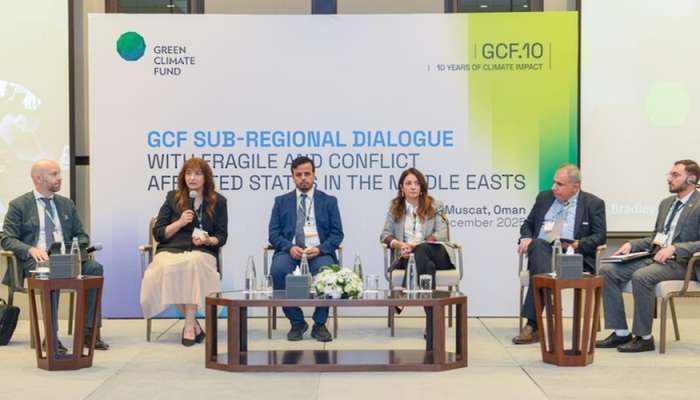

The Sultanate of Oman is increasingly recognized as a leader in regional climate action, a position solidified by recently hosting the Green Climate Fund (GCF) Sub-Regional Dialogue for the Middle East and North Africa. This significant event, held under the auspices of the Environment Authority, underscores Oman’s dedication to fostering collaboration and securing vital climate finance for sustainable development in a region particularly vulnerable to the impacts of a changing climate. The dialogue represents a crucial step in strengthening partnerships and addressing the urgent need for both mitigation and adaptation strategies.
Oman Takes the Lead in Regional Climate Finance Discussions
The hosting of the GCF Sub-Regional Dialogue is a testament to Oman’s growing influence and commitment to tackling climate change. Dr. Abdullah Ali Al Amri, Chairman of the Environment Authority, emphasized the nation’s dedication to supporting climate action not only within its borders but also across the wider Middle East and North Africa (MENA) region. This proactive stance is particularly important given the unique challenges faced by countries in this area, including water scarcity, extreme temperatures, and desertification.
A Hub for Collaboration and Expertise
The dialogue, which concluded on December 16th, brought together a diverse group of stakeholders. These included National Designated Authorities (NDAs) – the focal points for GCF engagement in each country – accredited entities, representatives from banks and financial institutions, United Nations organizations, and key government officials from across the region. This broad representation facilitated a rich exchange of knowledge and best practices, crucial for developing effective and locally-relevant climate solutions.
The event wasn’t simply a talking shop; it was designed to be a practical forum for enhancing regional coordination. Participants focused on identifying shared priorities and exploring opportunities for joint projects that can maximize the impact of climate finance. Oman’s role as host allowed it to showcase its own initiatives and learn from the experiences of others, further strengthening its position as a regional champion.
Focus on Capacity Building and Project Development
A core component of the GCF Sub-Regional Dialogue was dedicated to building capacity within the region. Specialized technical sessions and interactive workshops were held to assist countries in preparing and developing robust climate project proposals. These sessions addressed the complexities of accessing GCF funding, providing guidance on navigating the application process and meeting the Fund’s stringent requirements.
Improving countries’ readiness to benefit from available climate finance is paramount. Many developing nations in the MENA region face significant hurdles in accessing these funds, often due to a lack of technical expertise or institutional capacity. The workshops aimed to bridge this gap, empowering countries to effectively compete for and utilize GCF resources.
Discussions also centered on the GCF’s strategic directions for the coming period. This included exploring new funding mechanisms, streamlining procedures, and prioritizing projects that deliver the greatest impact in terms of both mitigation and adaptation. Understanding these evolving priorities is essential for aligning national strategies with the GCF’s overall goals.
Alignment with National and International Commitments
Oman’s decision to host this dialogue is deeply rooted in its commitment to the Paris Agreement on climate change. By actively supporting the GCF and facilitating regional cooperation, Oman is demonstrating its dedication to fulfilling its international obligations. Furthermore, the event aligns perfectly with the ambitious goals outlined in Oman Vision 2040.
Oman Vision 2040 and the Transition to a Low-Emission Economy
Oman Vision 2040 is a comprehensive national strategy that prioritizes sustainable development and economic diversification. A key pillar of this vision is the transition to a low-emission economy capable of adapting to the inevitable impacts of climate change. Hosting the GCF dialogue directly supports these objectives by attracting investment in green technologies and promoting climate-resilient infrastructure.
The Sultanate recognizes that addressing climate change is not just an environmental imperative, but also an economic opportunity. By investing in renewable energy, sustainable agriculture, and other green initiatives, Oman can create new jobs, attract foreign investment, and enhance its long-term economic competitiveness. This forward-thinking approach is central to its leadership role in the region.
The Path Forward: Strengthening Regional Climate Resilience
The successful conclusion of the GCF Sub-Regional Dialogue in Muscat marks a significant milestone in the region’s efforts to combat climate change. Oman’s leadership in hosting this event has not only strengthened its partnerships with the GCF but has also fostered a greater sense of collaboration and shared purpose among countries in the Middle East and North Africa. Continued engagement and a sustained focus on capacity building will be crucial for unlocking the full potential of climate finance and building a more resilient future for the region. The focus on sustainable development and environmental policy will be key to Oman’s continued success in this arena. Looking ahead, it is vital that the momentum generated by this dialogue is maintained, translating into concrete projects and measurable results that benefit both people and the planet.