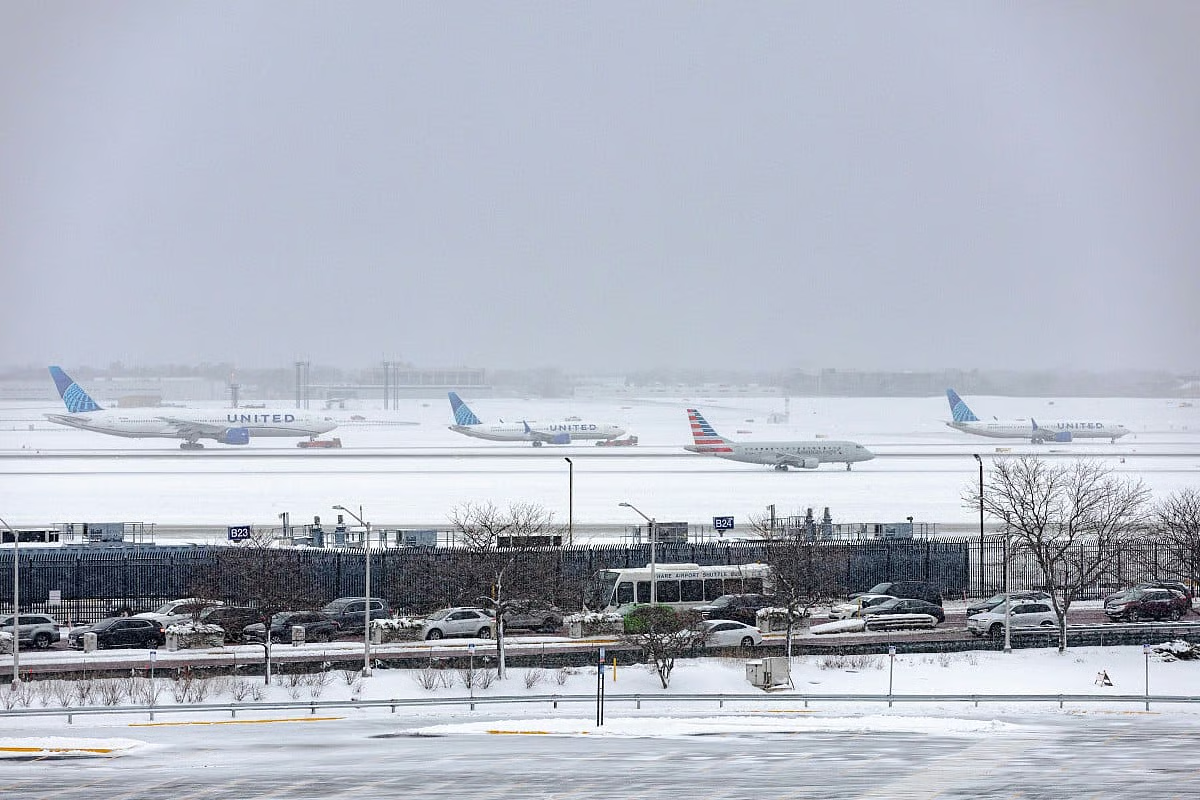

Emirates has cancelled a number of flights to and from several US cities due to the anticipated impact of Winter Storm Fern. The cancellations, announced Friday, affect travel to New York, Washington, Boston, Newark, and Milan, impacting passengers connecting through Dubai as well. This disruption is part of a larger pattern of flight cancellations impacting the US travel system as the storm intensifies.
The affected routes include direct services between Dubai and major East Coast hubs. Passengers with connecting flights through Dubai on cancelled routes are being prevented from starting their journeys at their origin points. The airline is advising affected travelers to seek rebooking assistance and to ensure their contact information is current.
Emirates Flight Cancellations and the Widespread US Travel Disruption
The decision by Emirates follows forecasts of heavy snow, freezing rain, and dangerously low temperatures across a significant portion of the United States. The storm system is particularly impacting the central and eastern regions, leading to hazardous travel conditions on the ground and in the air. Airlines are prioritizing safety and proactively reducing schedules to minimize risks.
Impacted Flights – A Detailed Look
As of Friday evening, the following Emirates flights have been cancelled: EK201 and EK202 (Dubai – New York roundtrip), EK203 and EK204 (Dubai – New York roundtrip), EK205 and EK206 (Milan – New York roundtrip), EK209 and EK210 (Athens – Newark roundtrip), EK231 and EK232 (Dubai – Washington roundtrip), and EK237 and EK238 (Dubai – Boston roundtrip). This represents a substantial reduction in Emirates’ service to the affected areas.
However, Emirates is not alone in facing significant challenges. According to FlightAware, over 1,000 flights were delayed or cancelled across the US on Friday, with Dallas/Fort Worth International Airport experiencing the brunt of the disruptions. The situation is expected to worsen before it improves.
Sunday Expected to be Peak Disruption
The forecast indicates that Sunday will likely be the most heavily impacted day of travel. As of 9 pm ET Friday, FlightAware reported over 4,200 flight cancellations for Sunday, exceeding the previous high of approximately 1,900 cancellations on November 9th during a US government shutdown. This surge in cancellations highlights the severity of the current weather event.
Airlines are issuing travel waivers, allowing passengers to change their flights without incurring fees. These waivers typically cover a range of dates and destinations, but passengers should verify the specific terms and conditions with their carrier. The Department of Transportation also reminds passengers of their rights in cases of significant delays or cancellations.
The ripple effects of these travel disruptions extend beyond the immediate cancellations. Passengers are facing long queues at airports, difficulty securing hotel accommodations, and potential missed connections. The economic impact, while still being assessed, is expected to be considerable, affecting both travelers and the airline industry.
Contributing Factors and Regional Variations
The severity of the storm varies across different regions. The Midwest is experiencing blizzard conditions, while the Northeast is bracing for heavy snowfall and icy roads. Freezing rain poses a particularly dangerous threat, as it can accumulate rapidly and create treacherous conditions for aircraft de-icing and ground operations.
Additionally, staffing shortages at airports and airlines, a lingering issue from the holiday season, are exacerbating the problem. Reduced personnel capacity makes it more difficult to manage the increased workload associated with rebooking passengers and handling delayed baggage. The combination of weather and staffing challenges is creating a perfect storm for travel chaos.
The impact on cargo operations is also a concern. Delays in passenger flights often translate to delays in cargo shipments, potentially disrupting supply chains. While the full extent of the cargo impact is not yet known, industry analysts are monitoring the situation closely. This situation is adding to existing airline industry pressures.
Emirates, like other major carriers, is closely monitoring the evolving weather situation and will continue to adjust its schedule as needed. Passengers are encouraged to check the airline’s website or contact their travel agents for the latest updates on their flights. The airline has apologized for the inconvenience caused by the cancellations and is working to minimize the impact on its customers.
Looking ahead, the situation remains fluid. Airlines will likely continue to cancel flights proactively in the coming days, particularly if the forecast for severe weather holds true. Passengers traveling to or from the affected areas should expect further delays and cancellations and should be prepared to adjust their travel plans accordingly. The focus will be on restoring normal operations as quickly and safely as possible once the storm passes, but full recovery could take several days.