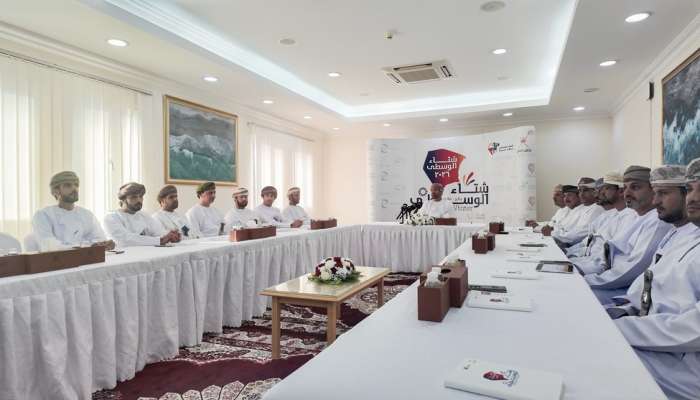

The enduring power and beauty of the Arabic language were celebrated recently in Cairo, as the Embassy of the Sultanate of Oman hosted a distinguished event marking World Arabic Language Day. Under the patronage of Ambassador Abdullah Nasser Al Rahbi, the celebration underscored the vital role of Arabic in shaping culture, identity, and communication across the Arab world and beyond. The event, a testament to Oman’s commitment to cultural preservation, brought together prominent figures from Egypt, the Arab League, and the academic community.
A Celebration of Arabic Language and Heritage at the National Museum of Civilization
The Embassy of the Sultanate of Oman chose the National Museum of Egyptian Civilization (NMEC) as the venue for this significant occasion. This strategic decision aimed to maximize participation and broaden the cultural impact of the celebration. Partnering with the NMEC and the Friends of the Civilization Museum Association allowed for a more expansive and accessible event, fostering greater awareness of the Arabic language’s importance. The NMEC, a symbol of Egypt’s rich history, provided a fitting backdrop for honoring a language deeply intertwined with the region’s civilizational narrative.
Expanding Access and Promoting Awareness
The event’s organizers specifically sought to engage a diverse audience, including academics, youth, and media professionals. This inclusive approach reflects a commitment to ensuring the continued vitality of the Arabic language across generations. The presence of Arab Ambassadors accredited to Egypt further highlighted the pan-Arab significance of the celebration. Such broad participation underscores the shared responsibility in safeguarding and promoting this cornerstone of Arab identity.
Distinguished Speakers Illuminate the Importance of Arabic
The celebration featured insightful lectures from leading scholars in the field of Arabic linguistics and culture. Professor Dr. Abdel Hamid Madkour, Secretary-General of the Arabic Language Academy, delivered a compelling address on the significance of commemorating World Arabic Language Day. His remarks emphasized the need for continued efforts to preserve and promote the language in a rapidly changing world.
Additionally, Professor Dr. Said Tawfik, former Head of the Supreme Council of Culture and Professor of Philosophy at Cairo University, explored the crucial role of the Arabic language in shaping and preserving cultural identity. Dr. Tawfik’s lecture delved into the philosophical and historical dimensions of the language, highlighting its enduring influence on Arab thought and expression. These academic contributions provided a deep understanding of the language’s multifaceted importance.
Artistic Expressions of Arabic Beauty
Beyond scholarly discourse, the celebration showcased the artistic beauty of the Arabic language. Poetic recitations by talented poets celebrated the language’s lyrical qualities and aesthetic richness. These performances offered a moving tribute to the power of Arabic poetry, a tradition deeply rooted in Arab culture.
Furthermore, a captivating display of Arabic calligraphy demonstrated the exquisite artistry of this traditional art form. Participating Arab calligraphers presented their work, showcasing the intricate beauty and spiritual depth of calligraphy. This segment highlighted the visual dimension of the language, demonstrating its capacity for artistic expression. The art of calligraphy, a hallmark of Islamic and Arab civilization, served as a powerful reminder of the language’s historical and cultural significance.
Recognizing Champions of the Arabic Language & A Historical Exhibition
In a gesture of appreciation, the Embassy of the Sultanate of Oman honored individuals dedicated to the service and dissemination of the Arabic language. This recognition acknowledged their invaluable contributions to preserving and promoting this vital cultural asset. The awards served as an encouragement to continue their efforts and inspire others to champion the language.
Complementing the celebration, an exhibition of Arabic calligraphy was unveiled. The Embassy contributed artistic works and, notably, historical correspondences between the Sultans of Oman and various heads of state, all meticulously rendered in Arabic calligraphy. This unique display offered a tangible connection to the language’s historical legacy, demonstrating its role in diplomacy and governance. These historical documents provided a vivid illustration of the Arabic language’s enduring civilizational value and its importance in international relations. The exhibition also showcased the rich tradition of Omani culture and its connection to the broader Arab world.
The event served as a powerful reminder of the importance of linguistic preservation and cultural exchange. By bringing together scholars, artists, and community members, the Embassy of the Sultanate of Oman in Cairo fostered a deeper appreciation for the Arabic language and its enduring legacy. It is hoped that this celebration will inspire continued efforts to promote and protect this vital aspect of Arab heritage for generations to come.