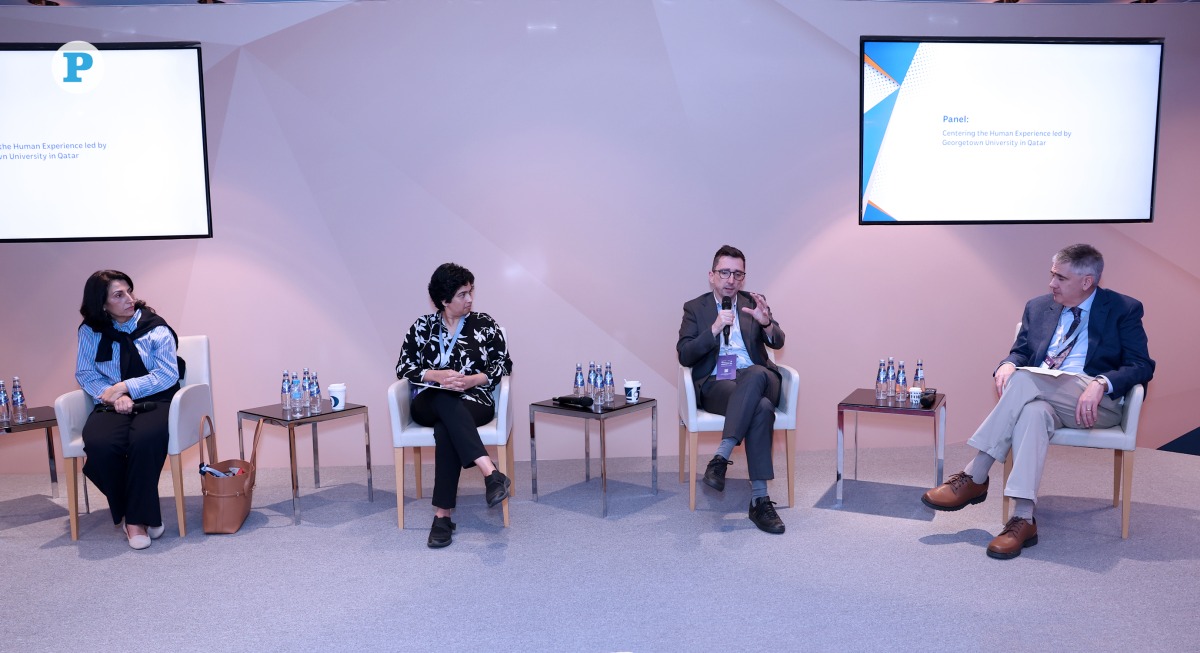

Doha, Qatar – Educators and students were urged to prioritize in-depth inquiry and empathetic understanding in the learning process during a workshop at the recent World Innovation Summit for Education (WISE). The panel discussion, hosted by Georgetown University in Qatar, highlighted the importance of fostering critical thinking skills through challenging questions, even those perceived as “uncomfortable.” This emphasis on valuable education is considered crucial for preparing future generations for a complex world.
The interactive session, held at the Qatar National Convention Centre, brought together experts to discuss how to “Center the Human Experience” within academic frameworks. WISE, a Qatar Foundation initiative, concluded its two-day summit yesterday, themed ‘Humanity.io: Human Values at the Heart of Education’, attracting global leaders and innovators in the field.
The Power of Inquiry in Modern Education
Panelists stressed that students often default to “partial questioning,” which can hinder their ability to reason effectively. Anjana Jacobs, Assistant Teaching Professor of Philosophy at Georgetown University School of Foreign Service in Qatar, proposed an “intellectual attitude” as a complementary approach when empathy proves insufficient. This involves educators creating space for questions, even difficult ones, and diligently seeking thorough answers.
However, facilitating such discussions requires recognizing the subjective nature of values. Educators must acknowledge that perspectives on justice and empathy vary significantly among individuals, influenced by their beliefs and backgrounds. This nuanced approach is essential for creating an inclusive learning environment.
Bridging Theory and Real-World Challenges
Diana Buttu, a lawyer, mediator, and negotiator, addressed the difficulties of applying classroom learning to real-world problems. She noted the prevalence of a “winner and loser” mentality and argued that students need to develop a deeper understanding of shared humanity and collaborative solutions. Successfully navigating conflict resolution and mediation, Buttu explained, hinges on recognizing the inherent worth of all parties involved.
Additionally, Gabor Scheiring, Assistant Professor of Comparative Politics at Georgetown University in Qatar, advocated for a curriculum that prioritizes emotional intelligence alongside technical skills. He believes universities have a unique opportunity to cultivate transformative thinking and empower students to become agents of social change, especially given the evolving demands of the job market and the increasing importance of future skills.
The panel also emphasized the critical role of educators as role models. Demonstrating empathy, critical thinking, and a willingness to engage with challenging ideas directly influences student behavior and attitudes.
Beyond encouraging inquisitive minds, a core theme revolved around the integration of social-emotional learning into traditional academic subjects. This approach aims to foster well-rounded individuals capable of navigating both professional and personal complexities with resilience and understanding.
Concerns were raised regarding the potential for current educational systems to inadvertently reinforce competitive rather than collaborative dynamics. Experts push for better frameworks that facilitate inclusive conversations and prioritize holistic student development.
Looking ahead, the implementation of these concepts will likely require ongoing dialogue and collaboration among educators, policymakers, and students. Future reports from Qatar Foundation and Georgetown University in Qatar are expected to detail specific strategies for embedding these values into curricula and assessment methods. The long-term impact of these initiatives on student outcomes and societal progress remains to be seen, making continued observation of these developments essential.
The evolving discussion around reimagining education will also be a key factor in how effectively these ideas are adopted and integrated into widespread practice.