
Doha – Marking International Day of Education 2026, UNESCO officials reaffirmed the critical importance of youth participation in education, highlighting its role in building more inclusive and effective learning systems globally. The organization emphasized that education remains a fundamental human right and a shared responsibility, particularly for the world’s growing youth population. This year’s theme focuses on empowering young people as active co-creators of their own educational journeys and future societies.
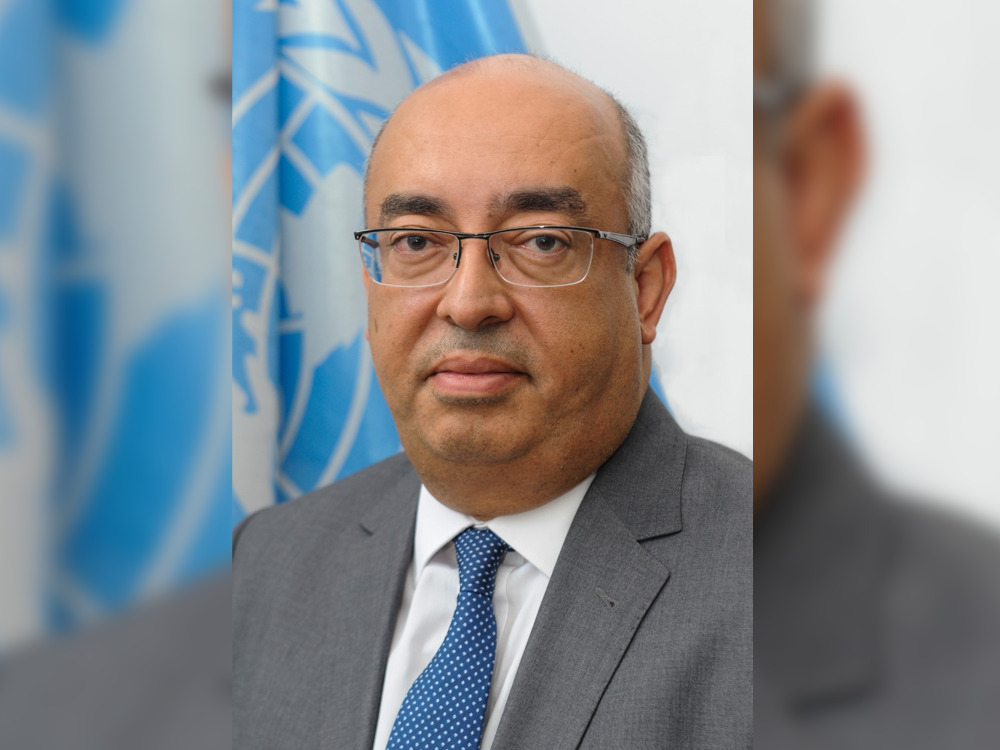
The statement, released by Salah Khaled, Director of UNESCO’s Regional Office for the Gulf States and Yemen, comes as the world grapples with evolving educational needs and persistent inequalities. UNESCO noted that while over half the global population is under 30, millions of young people in regions like the Gulf States and Yemen still face significant barriers to accessing quality education due to factors like poverty and inequality.
The Growing Call for Youth Participation in Education
UNESCO’s renewed emphasis on youth participation in education reflects a broader international trend recognizing the value of young voices in shaping policy. Traditionally, education policy has been driven by governments and educators, but there’s increasing acknowledgement that students themselves are best positioned to articulate their needs and propose innovative solutions. This shift is particularly crucial given the rapid pace of change in the 21st century.
However, meaningful engagement goes beyond simply consulting with students, UNESCO stressed. It requires incorporating youth perspectives throughout the entire policy cycle, from design and implementation to monitoring and evaluation. This includes providing platforms for young people to share their experiences, contribute to decision-making processes, and hold policymakers accountable.
New Tools for Measuring Impact
To support this effort, UNESCO announced the upcoming release of a new global measurement tool. Developed in partnership with the UN Youth Office, the tool will enable governments to track and assess the extent of youth involvement in education legislation and policymaking. According to UNESCO, this data-driven approach will strengthen accountability and ensure that commitments made at events like the Transforming Education Summit are translated into tangible progress.
The development of this tool is a response to calls for greater transparency and evidence-based policymaking in the education sector. It aims to provide a standardized framework for evaluating youth participation, allowing for comparisons across countries and regions. This will help identify best practices and areas where further investment is needed.
The statement also addressed the unique challenges and opportunities presented by the evolving landscape of the Gulf States and Yemen. Rapid technological advancements, social shifts, and economic transformations are reshaping the skills required for success in the modern workforce. UNESCO argues that education systems must adapt to equip young people with competencies in areas like critical thinking, problem-solving, digital literacy, and sustainability.
Khaled commended the proactive role many young people in the region are already taking, leading initiatives in community learning, digital innovation, and environmental advocacy. These grassroots efforts demonstrate the potential of empowered youth to drive positive change and build more resilient communities. The organization also highlighted the support young people are providing to their peers in crisis-affected areas.
Investing in student engagement is not solely about improving educational outcomes, UNESCO contends. It’s also a vital component of building peaceful, just, and sustainable societies. By fostering a sense of ownership and responsibility, youth participation can contribute to greater social cohesion and civic participation. This is particularly important in regions facing political instability or social unrest.
Looking ahead, UNESCO’s call to action urges governments, educators, civil society organizations, and development partners to prioritize youth at the center of education reform. The organization is expected to release the new measurement tool in the coming months, providing a crucial resource for assessing progress and strengthening accountability. The effectiveness of this tool, and the willingness of governments to utilize it, will be key indicators of the genuine commitment to fostering youth leadership in education. Further developments regarding implementation strategies and regional workshops are anticipated in late 2026.
Learn more about UNESCO’s work in education.
Explore the UN’s initiatives for youth development.
Access the Global Education Report.