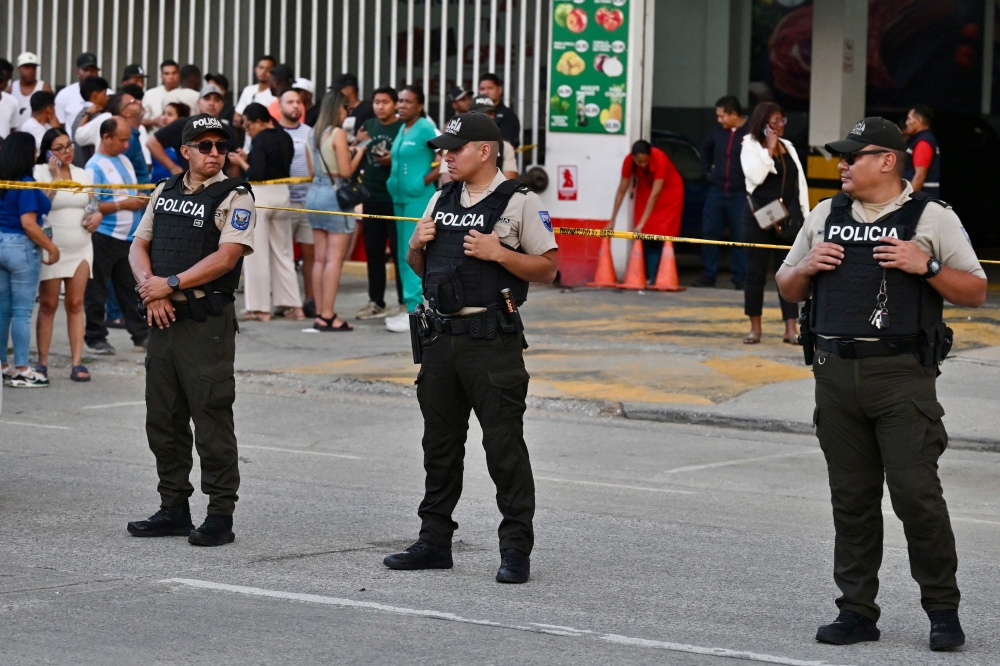

Ecuadorian footballer Mario Pineida, 33, was fatally shot in Guayaquil on December 17, 2025, his club Barcelona SC confirmed. The tragic Mario Pineida death underscores a growing trend of violence impacting public figures in the South American nation. This incident adds to a recent surge in attacks targeting athletes, fueled by the escalating gang activity and drug trafficking issues prevalent in the region.
The shooting occurred in the port city, which has become an epicenter for criminal activity, according to reports from the interior ministry. Pineida had previously represented Ecuador in World Cup qualifying matches for both the 2018 and 2022 tournaments, though he did not make the final squad for Qatar. He also had a stint playing for the Brazilian club Fluminense in 2022.
Rising Violence and the Mario Pineida Tragedy
The circumstances surrounding the Mario Pineida death are still under investigation. Initial reports, citing the digital news outlet Primicias, suggest that Pineida was attacked by two individuals on motorcycles who opened fire on him, his mother, and another woman. The interior ministry has assigned a specialized police unit to investigate the case and apprehend those responsible.
Ecuador’s Struggle with Organized Crime
Ecuador has experienced a dramatic increase in violence in recent years, transforming from one of the safest countries in Latin America to a major transit point for cocaine. This shift has empowered criminal organizations, leading to a rise in car bombings, shootings, and extortion, particularly in cities like Guayaquil. Between January and September of this year, Guayaquil recorded a staggering 1,900 murders, the highest number in the nation.
However, this recent spike in violence isn’t simply about drug trafficking. It also involves intense competition between gangs for control of territory and resources. This escalating conflict has, unfortunately, begun to spill over and affect individuals outside of directly involved criminal circles.
Footballers Increasingly Targeted
Pineida’s death is not an isolated incident within the Ecuadorian football community. In September 2025, three players from the country’s second division were murdered, with one case reportedly linked to illegal sports betting. Just a month later, local footballer Bryan Angula was also wounded in a shooting. These incidents raise serious concerns about the safety and security of athletes in Ecuador.
The reasons for targeting footballers remain complex. Some instances are believed to be related to the players’ alleged debts or involvement with criminal groups. Others appear to be a consequence of indiscriminate violence, where athletes become collateral damage in gang disputes. Regardless of the motive, the attacks highlight the vulnerability of public figures operating in a climate of increasing lawlessness.
The situation has prompted calls for increased security measures and a more robust response from the government. Football organizations are also exploring ways to protect their players, including providing security details and advising them on safe practices. The vulnerability of athletes also extends to concerns about player safety overall.
Additionally, this crime will likely affect investment in the league and the confidence of international players considering opportunities in Ecuador. Some analysts expect a period of instability and potential decline in the quality of play as a result of these security concerns. The economic impact on the sport could be significant.
The Ecuadorian Football Federation has expressed its condolences to Pineida’s family and vowed to work with authorities to address the issue of violence. They are also likely to review existing security protocols used for games and player travel, according to a statement released earlier today.
Investigations are ongoing, and authorities have not yet announced any arrests in connection with the Mario Pineida shooting. The focus remains on identifying the perpetrators and understanding the motive behind the attack. Further developments are expected as the police investigation progresses, with a preliminary report anticipated by the end of the week. The extent to which this will resolve the broader issues of criminal control remains uncertain.
Looking ahead, Ecuador faces the challenging task of regaining control of its streets and protecting its citizens, including high-profile individuals like its athletes. The government’s response to this crisis, and the effectiveness of the implemented security measures, will be crucial in determining the future stability of the nation and the safety of its sporting community. The potential for further violence directed towards footballers and other public figures remains a significant concern.