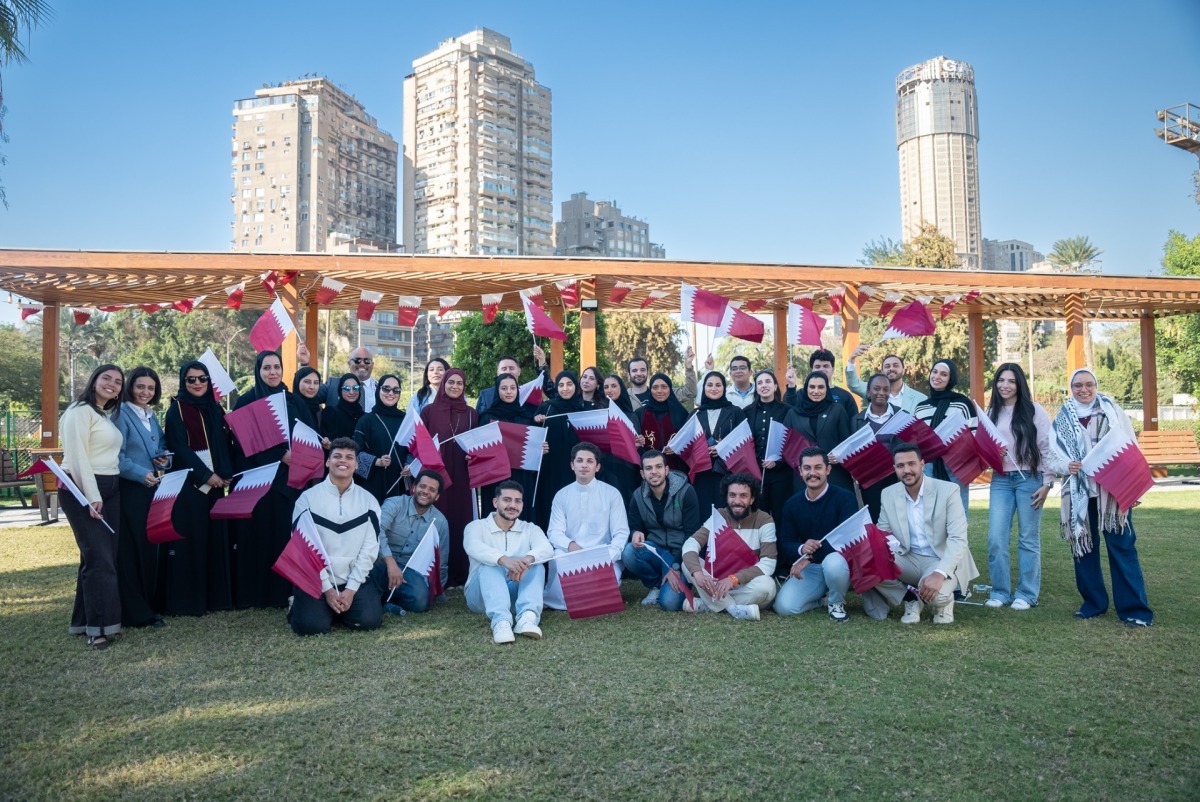

Doha, Qatar – Volunteers from the Education Above All (EAA) Foundation recently completed a trip to Cairo, Egypt, from December 13-20, to participate in the Egypt 2025 volunteer trip. The initiative focused on engaging with young people involved in the “Green Visions & Thriving Futures” project, a collaboration between EAA and UNICEF’s Generation Unlimited aiming to empower Egyptian youth through sustainable development. This trip is part of a broader EAA commitment to service learning and youth leadership across the region.
The visit provided an opportunity for EAA volunteers to directly observe the project’s impact and exchange knowledge with Egyptian youth. According to EAA, the trip strengthened their dedication to supporting youth empowerment and environmental sustainability initiatives. This builds on EAA’s experience running similar programs across Asia and the Middle East.
EAA Volunteer Trip Highlights Environmental Action in Egypt
The “Green Visions & Thriving Futures” project, implemented by Egypt’s Ministry of Youth and Sports, prioritizes youth engagement in environmental initiatives. It aims to cultivate greener communities and provide pathways to employment through the development of green skills and entrepreneurial training. The project aligns with Egypt’s national development goals and a growing global emphasis on sustainable development.
A key component of the volunteer experience was a four-day interactive workshop held at the newly established Shabab Balad Academy in Cairo. Sixteen Egyptian youth actively participated in sessions focused on intercultural dialogue, leadership skills, critical thinking, and collaborative learning around environmental action and green entrepreneurship. The Shabab Balad Academy serves as a central hub for youth development programs in Egypt.
In addition to the workshop, the group participated in a one-day climate action program on Qursayah Island. This included a waste cleanup activity, a workshop demonstrating how to transform waste into upcycled fashion items, and a guided biodiversity walk. These activities aimed to highlight the innovative approaches and resilience of local communities facing environmental challenges. It also showed participants the practical application of environmental programs.
Partnerships Driving Youth Empowerment
Mana Al-Ansari, Chief Economic Empowerment Officer at the EAA Foundation, emphasized the crucial role of education in addressing global challenges. “Education is the cornerstone of development and is considered one of the most powerful tools for enabling young people to respond to the humanitarian, social, environmental challenges and economic uncertainty,” he stated. Al-Ansari also highlighted the importance of investing in green skills to build sustainable futures.
UNICEF is playing a significant role in these efforts through the Shabab Balad initiative. Nathalie Meyers, UNICEF Deputy Representative, noted the program’s success in bringing together government, the private sector, and civil society to support Egypt’s “Learning-to-Earning” agenda. This collaboration focuses on expanding opportunities for young people to acquire relevant skills and contribute to a more inclusive and resilient generation. Promoting youth employment is a central tenet of the initiative.
The trip wasn’t solely focused on work. EAA Foundation volunteers also engaged in cultural activities, visiting landmarks such as the Giza Pyramids, the Sphinx, and the Grand Egyptian Museum. These experiences were designed to foster a deeper understanding of Egypt’s rich history, culture, and people.
The EAA Foundation’s commitment to international volunteer programs is driven by a belief in the power of experiential learning. By immersing themselves in local contexts, volunteers can gain valuable insights and contribute meaningfully to sustainable development efforts. The program’s organizers hope this particular trip will be the first of many, all focused on the Egypt 2025 goals.
Looking ahead, EAA and UNICEF plan to continue expanding the “Green Visions & Thriving Futures” project, with a focus on reaching more marginalized youth across Egypt. Further evaluation of the project’s impact on skills development and employment rates is expected in the coming months, and will inform future strategies. The sustainability of the upcycled fashion initiatives will also be monitored.