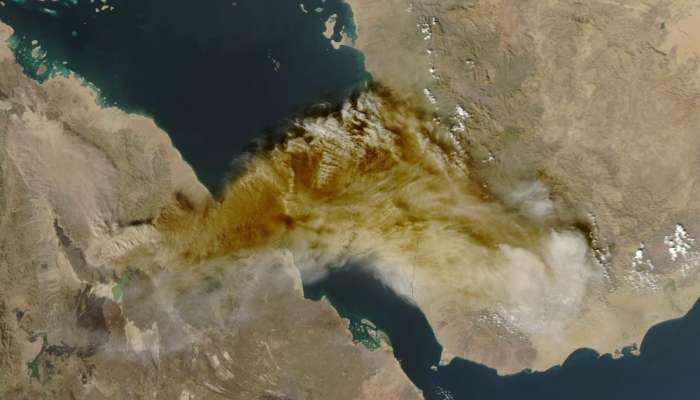

Recent volcanic activity from the Hayli Gubbi volcano in Ethiopia has prompted a proactive response from the Sultanate of Oman, specifically its Environment Authority (EA). The EA is diligently monitoring the situation to safeguard air quality in Oman and protect public health. This monitoring effort is crucial given the potential for long-distance transport of volcanic emissions, and the EA is utilizing a comprehensive network to assess any impact.
Monitoring Air Quality in Oman Following Ethiopian Volcanic Eruption
The Environment Authority of Oman has initiated heightened surveillance following the eruption of the Hayli Gubbi volcano. Understanding the potential effects of volcanic ash and gases on regional air quality is paramount, and the EA is taking a preventative approach. This involves utilizing a network of 68 monitoring stations strategically positioned throughout the country’s diverse governorates.
Extensive Monitoring Network
These monitoring stations aren’t just a general precaution; they represent a significant investment in environmental protection. A substantial portion of the network is concentrated in areas potentially more exposed to air currents from the African continent. Specifically, 8 stations are actively monitoring conditions in the Dhofar Governorate, and 5 stations are focused on the Al Wusta Governorate. These stations provide continuous, real-time data on pollutant concentrations.
The EA’s commitment extends to 24/7 monitoring, ensuring that any fluctuations in air quality are immediately detected and analyzed. This constant vigilance allows for a swift and informed response should the volcanic emissions begin to affect the Sultanate. The data collected is vital for understanding the dispersion patterns of potential pollutants.
Current Air Quality Status: No Cause for Concern
As of the latest reports, the EA has confirmed that no significant increases in pollutant concentrations have been recorded within Oman. This is reassuring news for residents and visitors alike. The monitoring data indicates that the air quality in Oman remains within safe and acceptable limits, and there are currently no signs of impact from the volcanic emissions originating from Ethiopia.
However, the situation is dynamic, and the EA is emphasizing that monitoring efforts will continue unabated. Volcanic plumes can shift and change direction depending on weather patterns, so ongoing assessment is essential. The authority is prepared to respond quickly if conditions were to change.
Staying Informed: The “Naqi” Platform
Transparency and public awareness are key components of the EA’s strategy. To that end, the public is encouraged to stay informed about current air quality levels by utilizing the “Naqi” air quality monitoring platform. This platform provides real-time data and insights, allowing individuals to make informed decisions about their activities, particularly those sensitive to air pollution.
The “Naqi” platform is easily accessible and user-friendly, offering a clear and concise overview of air quality conditions across the Sultanate. It’s a valuable resource for anyone concerned about the potential impact of external factors, such as volcanic eruptions, on their health and well-being. You can find the platform online and through mobile applications.
Oman’s Proactive Approach to Environmental Health
The swift response by the Environment Authority demonstrates Oman’s dedication to protecting the health of its citizens and preserving its environment. This incident highlights the importance of robust environmental monitoring systems and the ability to adapt to unforeseen events. The EA’s proactive stance is a model for regional environmental management.
Furthermore, this situation underscores the interconnectedness of global environmental systems. Emissions from a volcanic eruption in Ethiopia can potentially impact air quality thousands of kilometers away, necessitating international cooperation and vigilance. The EA is actively collaborating with regional and international partners to share data and best practices.
Looking Ahead: Continued Monitoring and Public Updates
The EA has assured the public that it will continue to closely monitor the situation surrounding the Hayli Gubbi volcano. Regular assessments of pollutant concentrations will be conducted, and any significant changes will be promptly communicated to the public. This commitment to transparency and proactive communication is vital for maintaining public trust and ensuring a coordinated response.
While current data indicates no impact on air quality in Oman, the EA remains vigilant. The “Naqi” platform will continue to be updated with the latest information, and the public is encouraged to utilize this resource. The health and safety of the Omani population remain the top priority.
In conclusion, the Environment Authority of Oman is taking all necessary steps to monitor and mitigate any potential risks associated with the Ethiopian volcanic eruption. By leveraging a comprehensive monitoring network, providing real-time data through the “Naqi” platform, and maintaining open communication with the public, the EA is demonstrating a strong commitment to environmental protection and public health. Stay informed by regularly checking the “Naqi” platform for the latest air quality levels and updates.