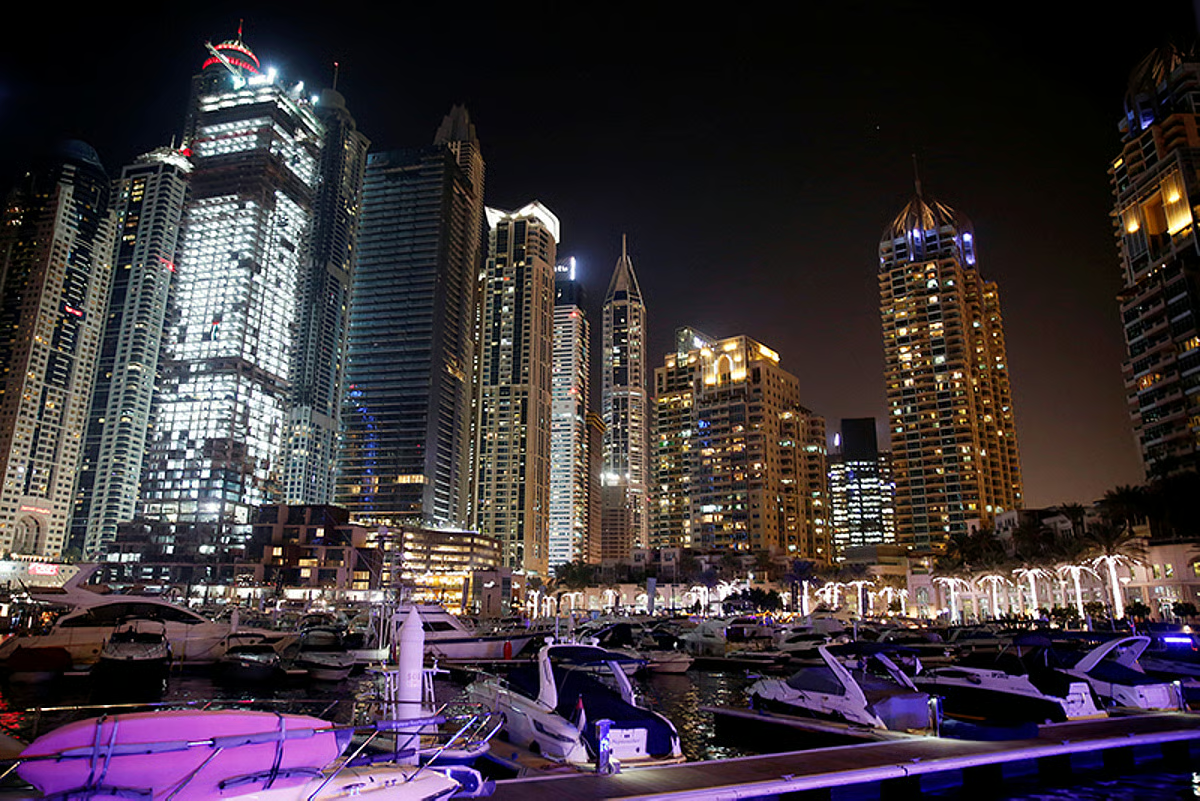

Dubai is taking a significant step towards sustainable marine practices with the introduction of biofuel for yachts. Emaar Hospitality Group, in partnership with UAE-based Lootah Biofuels, has begun supplying Sustainable Bio Yacht Fuel at Dubai Marina Yacht Club and Creek Marina Yacht Club, offering a greener alternative to traditional marine fuels. The initiative aims to reduce carbon emissions within the leisure marine sector and support the UAE’s Net Zero 2050 goals.
The new fuel is available for recreational vessels directly at the marinas and is produced locally from used cooking oil – collected from hotels, residences, and Emaar’s own developments – thereby promoting a circular economy. This rollout comes as the global maritime industry faces increasing pressure to decarbonize, with growing demand for sustainable fuel options.
Sustainable Bio Yacht Fuel: A New Era for Dubai Marinas
According to Emaar Hospitality Group, the introduction of biofuel aligns with their commitment to environmentally responsible operations across their marinas and hospitality assets. The fuel is a marine-grade biodiesel blend designed to be compatible with existing marina infrastructure, removing a key barrier to adoption. This ease of integration is a crucial factor in encouraging widespread use among yacht owners.
Lootah Biofuels will oversee the complete process, from collecting waste cooking oil to processing and supplying the finished biofuel. The company specializes in converting these waste streams into usable energy products, positioning itself as a key player in the UAE’s circular economy development. This approach not only reduces reliance on fossil fuels but also addresses waste management challenges.
Emissions Reduction and Environmental Accreditations
The companies claim the biofuel significantly reduces carbon emissions compared to conventional marine fuel, contributing to lower environmental impact from leisure boating. Detailed emissions data is expected to be released as the program expands and undergoes further analysis. Dubai Marina Yacht Club already holds both Fish Friendly and Clean Marina accreditations, demonstrating pre-existing environmental standards.
Additionally, the marina has implemented an air-to-water system, generating potable drinking water from atmospheric humidity for captains and crew for the past year. These investments underscore a broader commitment to environmental sustainability beyond simply fuel alternatives. The initiatives have placed the yacht clubs as some of the first in the Gulf region to embrace forward-thinking environmental practices.
Phased Rollout and Demand-Driven Expansion
The initial phase of biofuel availability will operate on a scheduled basis, allowing marina operators to carefully monitor fuel quality, supply reliability, and customer uptake. Any expansion of the program will be directly linked to demand from yacht owners and members. This measured approach aims to ensure a smooth transition and provides valuable data for future scaling efforts.
The move towards alternative marine fuels isn’t isolated to Dubai. Globally, there is increasing research and development into various biofuels, including those produced from algae and other sustainable sources. However, scaling these technologies to meet the vast demands of the commercial shipping sector remains a significant challenge.
The introduction of this locally sourced biofuel also addresses concerns around energy security and supply chain resilience. Dependence on imported fossil fuels can expose economies to price volatility and geopolitical risks. Using locally sourced waste as a feedstock for fuel production reduces this vulnerability. The overall impact could lead to reduced dependence on imported petroleum sources.
Nicolas Belleton of Emaar Hospitality Group emphasized that the initiative provides members with a “tangible, responsible choice” that supports the UAE’s sustainability targets. Yousif Saeed Lootah, CEO of Lootah Biofuels, highlighted the potential of transforming local waste into valuable energy solutions and boosting both environmental and operational progress.
Looking ahead, the success of this initial rollout will be a key determinant in expanding the availability of Sustainable Bio Yacht Fuel to other marinas within the UAE. Monitoring the price point of the biofuel relative to conventional fuels will also be critical for encouraging broader adoption. Further developments in the production capacity of Lootah Biofuels and potential government incentives could accelerate the transition to cleaner boating in the region. The next six months will likely reveal the uptake rate among yacht owners and inform any decisions regarding a permanent, widespread implementation.