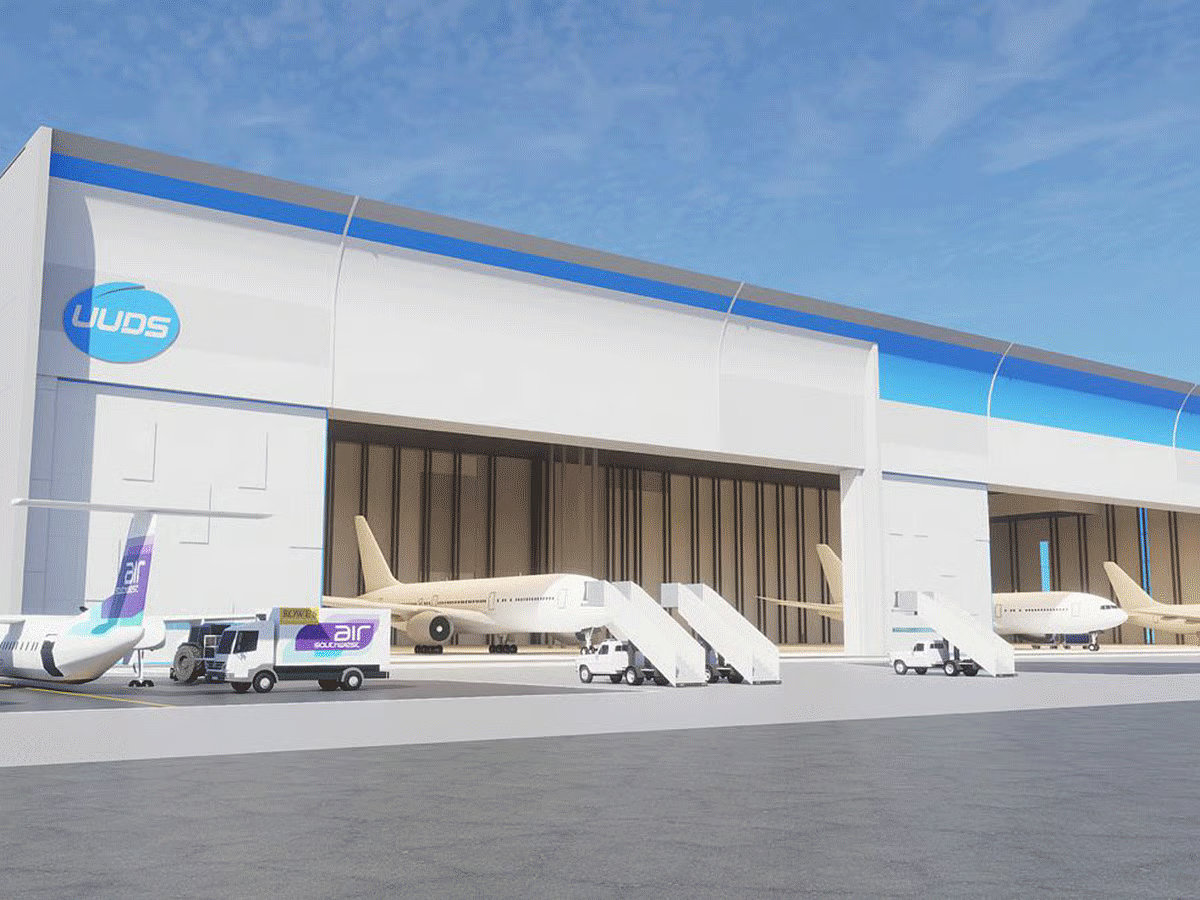

Dubai South’s Mohammed Bin Rashid Aerospace Hub (MBRAH) is experiencing significant growth, fueled by increasing demand for aircraft maintenance, repair, and overhaul (MRO) services in the region. UUDS AERO recently announced an expansion of its presence within MBRAH, acquiring additional plots and planning a new Cabin Excellence Center to cater to the growing need for cabin retrofits and modifications. This development underscores Dubai’s ambition to become a global hub for aerospace, particularly as Al Maktoum International Airport expands.
The expansion, announced this week, will allow UUDS AERO to scale operations and deliver advanced cabin solutions. The new facility will focus on cabin completion, modification, and eco-efficient upgrades, responding to both fleet growth among Gulf airlines and increasing pressure for sustainable aviation practices. MBRAH’s strategic location and free-zone benefits are key factors attracting companies like UUDS AERO.
Regional MRO Demand Drives Expansion at MBRAH
The demand for MRO services in the Gulf region is being propelled by several factors. Gulf carriers are experiencing substantial fleet growth, requiring more frequent and comprehensive maintenance checks. Additionally, airlines are investing heavily in cabin upgrades to enhance passenger experience and differentiate their offerings.
Sustainability as a Key Driver
A significant portion of the increased demand stems from sustainability initiatives. Airlines are actively seeking ways to reduce fuel consumption and carbon emissions, and cabin retrofits play a crucial role in achieving these goals. Lighter-weight seating materials and optimized cabin layouts can contribute to significant fuel savings, according to industry analysts.
UUDS AERO’s Cabin Excellence Center will specifically address this need, offering eco-efficient solutions for cabin interiors. The company plans to leverage advanced technologies and materials to minimize the environmental impact of aircraft cabins. This aligns with the UAE’s broader commitment to sustainability and its hosting of COP28 in late 2023.
Job Creation and Economic Impact
The new facility is expected to generate numerous jobs in engineering, manufacturing, and related fields. The growth of MBRAH as an aerospace hub is contributing to the diversification of Dubai’s economy, reducing its reliance on traditional sectors. The influx of international operators, like UUDS AERO, also brings valuable expertise and investment to the region.
MBRAH offers a compelling value proposition for aerospace companies. Its free-zone status provides benefits such as 100% foreign ownership, tax exemptions, and streamlined regulatory processes. Furthermore, the hub’s proximity to Al Maktoum International Airport, which is undergoing a major expansion, offers convenient access to global markets. The airport is envisioned to eventually become the world’s largest airport, capable of handling over 200 million passengers annually.
However, the expansion of Al Maktoum International Airport has faced some delays, and the timeline for its full completion remains uncertain. According to reports from aviation consultancy CAPA – Centre for Aviation, logistical challenges and funding considerations have contributed to these delays. Despite these challenges, the long-term outlook for the airport and the surrounding aerospace ecosystem remains positive.
The growth at MBRAH isn’t limited to cabin retrofits. The hub also attracts companies involved in aircraft engineering, component manufacturing, and pilot training. This creates a synergistic environment where businesses can collaborate and benefit from shared resources. The presence of a comprehensive aerospace ecosystem is a key differentiator for Dubai, attracting investment and talent.
The increasing demand for MRO services is a global trend, but the Gulf region is experiencing particularly strong growth. This is due to the region’s strategic location, its expanding airline industry, and its commitment to innovation. The UAE government has identified aerospace as a key sector for economic diversification and is actively investing in infrastructure and talent development.
UUDS AERO’s expansion is just one example of the growing interest in MBRAH. Other companies are also reportedly considering establishing or expanding their operations at the hub. This increased activity is expected to further solidify Dubai’s position as a leading global aerospace center. The availability of skilled labor and a supportive regulatory environment are also contributing factors to the region’s success in attracting aerospace investment.
Looking ahead, the next phase for UUDS AERO involves finalizing the design and construction of the Cabin Excellence Center. The company has not yet announced a specific completion date, but it is expected to be operational within the next 18-24 months. The ongoing development of Al Maktoum International Airport will be a critical factor in supporting the growth of MBRAH and the broader aerospace industry in Dubai. Monitoring the airport’s progress and the evolving regulatory landscape will be key to understanding the future trajectory of this sector.