
Dubai has proactively deployed nine specialized field teams to areas prone to flooding in anticipation of continued adverse weather conditions. These teams are focused on swift water removal and ensuring road safety, as the city continues to experience unusually heavy rainfall. The initiative, managed by the Roads and Transport Authority (RTA), began earlier this week and aims to minimize disruption across the Emirate.
The coordinated effort involves over 2,500 personnel and a substantial fleet of equipment, including 360 water tankers and 325 fixed pumps. This immediate response is part of a larger plan to mitigate the effects of recent and potential future rainfall – which has already surpassed historical averages for this time of year – and maintain traffic flow throughout Dubai.
Enhanced Water Removal Capabilities in Dubai
Recent significant rainfall events in the United Arab Emirates, including record-breaking downpours in Dubai earlier this year, highlighted vulnerabilities in infrastructure designed for a typically arid climate. These storms caused widespread travel disruptions and damage, prompting a review of emergency preparedness measures. The current deployment of rapid response teams represents a crucial step in addressing these identified weaknesses.
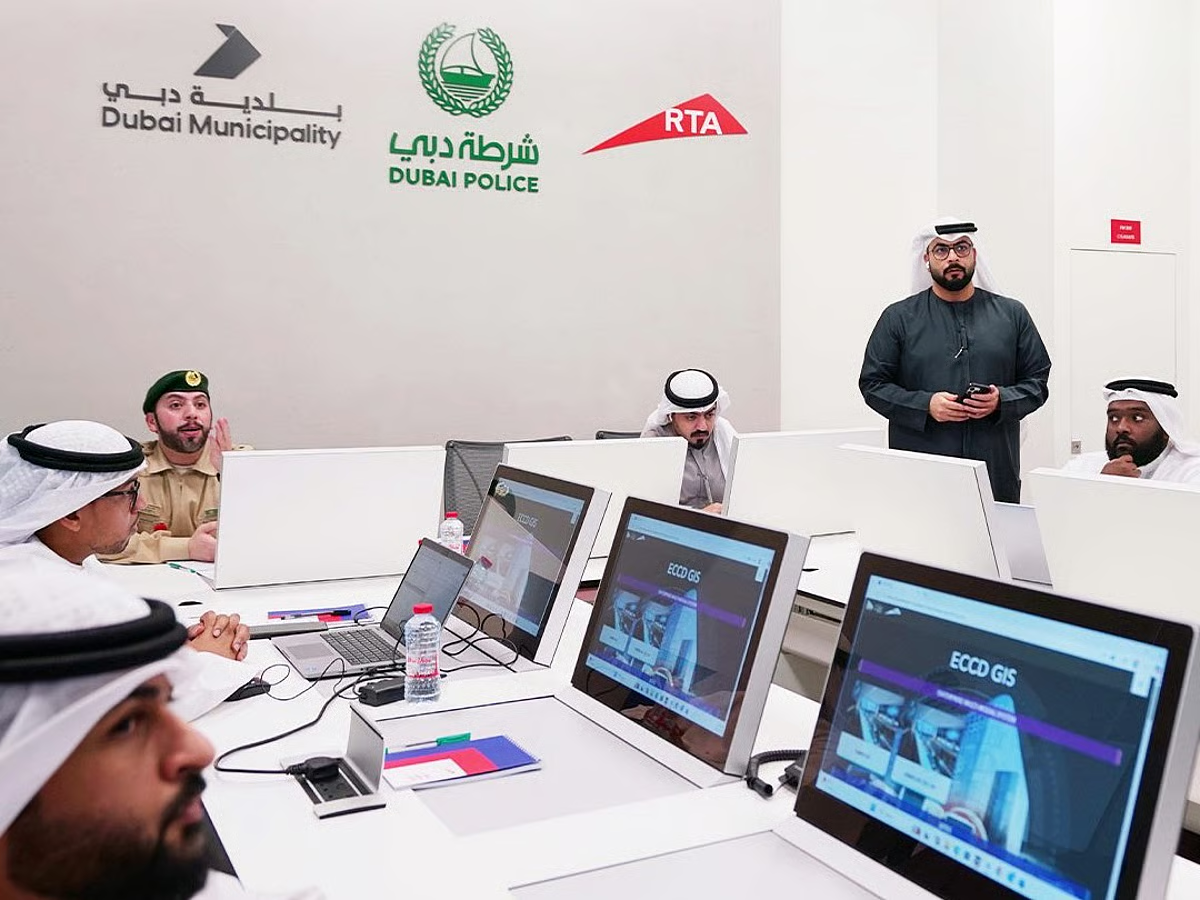
The RTA’s Unified Control Centre is central to these operations. It utilizes advanced digital systems for real-time monitoring of traffic and water accumulation levels across the road network. This allows for dynamic allocation of resources and preemptive intervention where needed.
A Collaborative Emergency Response
This isn’t a solo operation by the RTA. A key component of Dubai’s resilience strategy is close collaboration between various governmental bodies. The Joint Operations Room coordinates efforts with essential partners like Dubai Police, Dubai Municipality, the Mohammed bin Rashid Housing Establishment, and major real estate developers.
This partnership facilitates the sharing of logistical resources and expertise. According to official statements from the Dubai government, combined resources now exceed 2,500 personnel, 60 technical assets, 360 water tankers, and 325 fixed pumps. Specialized vehicles are also being deployed to implement temporary traffic diversions when necessary.
Focus on High-Risk Zones
The nine teams haven’t been randomly assigned; they’ve been strategically positioned in areas previously identified as particularly vulnerable to flooding. These zones often include lower-lying regions, areas lacking optimal drainage infrastructure, and stretches of road known to accumulate standing water quickly.
Proactive monitoring and preventative maintenance are also integral to the plan. Dubai Municipality has been conducting intensive cleaning of drainage systems in the weeks leading up to the rainy season, removing debris and ensuring optimal capacity. Furthermore, the Mohammed bin Rashid Housing Establishment is working to assess and address potential waterlogging issues around residential areas.
However, the challenge remains significant. While infrastructure improvements are underway, Dubai’s urban landscape and soil composition can limit drainage capacity during intense rainfall. The relatively new nature of large-scale stormwater management systems means authorities are still refining operational procedures and identifying further enhancements.
Beyond the immediate logistical response, maintaining public awareness is critical. Dubai Police, in conjunction with the RTA, consistently issue updates on road closures and traffic advisories via various channels, including social media and official news websites. This provides residents and commuters with timely information to adjust their travel plans and avoid potentially dangerous areas.
The unexpected intensity and frequency of recent rainfall events have also prompted discussions about longer-term investments in infrastructure resilience. Experts suggest that greater emphasis on sustainable urban drainage systems – such as permeable pavements and green infrastructure – could help mitigate the impact of future storms. The Ministry of Infrastructure is reportedly evaluating various options for enhancing the overall drainage capacity of the city.
Residents have responded positively to the visible increase in preparedness. While some traffic delays remain unavoidable during heavy downpours, the rapid response capabilities are demonstrably reducing the severity and duration of disruptions. This proactive stance is a marked shift from previous years when the city was less equipped to handle significant rainfall. The effectiveness of these measures is also contributing to maintaining Dubai’s reputation as a safe and well-managed city, even in the face of extreme weather. Related sectors, such as transportation management and stormwater drainage, are seeing increased attention and investment.
Looking ahead, the RTA and its partner agencies will continue to monitor weather forecasts closely and adjust their response levels accordingly. The current deployment of rapid response teams is scheduled to remain in place throughout the anticipated rainy season, which typically extends into the early months of next year. Further assessments of infrastructure performance are expected following each major rainfall event to identify areas for improvement, with a focus on preventative measures and flood control. The long-term impact of climate change on rainfall patterns in the region remains a key uncertainty, driving the need for ongoing adaptation and investment.